

Vitamin D and PCOS
Key Takeaways
Vitamin D is often associated with bone health, yet its role in the body extends far beyond maintaining strong bones.
In recent years, researchers have explored how vitamin D may influence metabolic health, inflammation and hormone regulation. This has led to increasing interest in its potential relevance for people living with polycystic ovary syndrome (PCOS).
Vitamin D deficiency is relatively common in the general population, particularly in northern climates such as the UK where sunlight exposure is limited during the winter months. Studies suggest that deficiency may be even more common among individuals with PCOS.
Understanding the relationship between vitamin D and PCOS may help highlight another important piece of the lifestyle puzzle when supporting long-term health.
Why Vitamin D Levels May Be Lower in PCOS
Vitamin D is produced in the skin following exposure to sunlight and can also be obtained in smaller amounts from certain foods.
Several factors may contribute to lower vitamin D levels in individuals with PCOS.
Firstly, vitamin D is fat-soluble, meaning it can be stored in body fat. Research suggests that higher body fat levels may reduce circulating vitamin D levels, which may partly explain why deficiency is more common in metabolic conditions.
Secondly, insulin resistance, which is common in PCOS, may influence vitamin D metabolism and signalling pathways within the body.
Lifestyle factors may also play a role. Many people spend large portions of the day indoors, particularly during the colder months, which can limit sunlight exposure.
Some groups may also have a higher risk of vitamin D deficiency. Individuals with darker skin pigmentation may require longer sun exposure to produce the same amount of vitamin D as those with lighter skin. This is because melanin reduces the skin’s ability to produce vitamin D from sunlight.
Vitamin D deficiency is also more common in people who cover most of their skin for cultural or religious reasons, or those who spend very little time outdoors.
For individuals living in northern Europe, including the UK, vitamin D levels often decline during autumn and winter when UVB radiation is insufficient for vitamin D production.
Vitamin D, Insulin Resistance and Metabolic Health
One of the most widely studied areas of vitamin D research in PCOS relates to insulin resistance.
Vitamin D receptors are present in many tissues involved in glucose metabolism, including pancreatic cells that produce insulin and muscle cells that help regulate glucose uptake.
Some studies suggest that adequate vitamin D levels may support insulin sensitivity and glucose metabolism, although research findings remain mixed.
Vitamin D may also influence inflammation. Chronic low-grade inflammation is often observed in PCOS and may contribute to metabolic disturbances.
While vitamin D alone is unlikely to resolve metabolic challenges, ensuring adequate levels may form part of a broader lifestyle approach that includes balanced nutrition, movement and sleep.
You can learn more about the role of exercise in supporting metabolic health in our article on strength training and PCOS.
Vitamin D, Mood and Wellbeing
PCOS is associated with higher rates of anxiety, low mood and fatigue.
While these experiences are influenced by many factors, vitamin D may play a role in brain function and mood regulation.
Vitamin D receptors are present in several regions of the brain involved in emotional regulation. Some research has explored associations between low vitamin D levels and mood disturbances, although more studies are needed to understand these relationships fully.
Supporting overall nutritional status, including vitamin D, may therefore be an important part of a holistic approach to wellbeing in PCOS.
How Sunlight Supports Vitamin D Production
Sunlight is the most significant source of vitamin D for many people.
When skin is exposed to ultraviolet B (UVB) rays from the sun, the body begins producing vitamin D. In the UK, this process typically occurs between April and September, when the sun is strong enough to stimulate vitamin D production.
Short periods of sunlight exposure during spring and summer can help support vitamin D levels. For many people, exposing the face, arms or legs to sunlight for a brief period during the middle of the day may contribute to vitamin D production.
The exact amount of time needed can vary depending on several factors, including skin tone, time of day, season and geographical location. Individuals with darker skin may require longer exposure compared with those with lighter skin.
It is important to balance sunlight exposure with skin protection. Sunburn increases the risk of skin damage and skin cancer, so prolonged exposure without protection is not recommended.
Because sunlight exposure is limited in the UK for several months of the year, public health guidance recommends that adults consider vitamin D supplementation during autumn and winter.
Anyone concerned about their vitamin D status may wish to discuss testing or supplementation with their GP or you can book a call with us.
Food Sources of Vitamin D
Only a small number of foods naturally contain vitamin D. These include:
Because dietary sources are limited, sunlight exposure is typically the main source of vitamin D for many people.
Vitamin D and Long-Term Health
Vitamin D contributes to several processes relevant to PCOS, including bone health, muscle function and immune regulation.
Maintaining adequate levels may therefore support long-term wellbeing alongside other lifestyle strategies.
This includes regular movement, resistance exercise, balanced nutrition and sufficient sleep.
You can read more about the connection between hormones and skeletal health in our article on bone health and PCOS.
Frequently Asked Questions
Is vitamin D deficiency common in PCOS?
Some research suggests vitamin D deficiency may be more common among individuals with PCOS, particularly where insulin resistance or higher body fat levels are present. However, vitamin D deficiency is also common in the general population, particularly in northern countries with limited sunlight during winter.
Can vitamin D improve PCOS symptoms?
Vitamin D plays an important role in many processes in the body, including bone health, immune function and metabolism. Some research has explored its role in insulin sensitivity and inflammation in PCOS, but it should be viewed as one component of a broader lifestyle approach rather than a standalone solution.
How can I support my vitamin D levels naturally?
Sunlight exposure during spring and summer is the primary natural source of vitamin D for most people. Small amounts are also found in foods such as oily fish and egg yolks. In the UK, supplementation is commonly recommended during autumn and winter months due to reduced sunlight exposure.

Top Tips: Heart Healthy Swaps for PCOS
If you have PCOS and have been told your cholesterol is “a bit high”, or you are worried about long-term heart health, you are not overreacting. PCOS is not just about periods or fertility. For many women, it overlaps with insulin resistance, inflammation and changes in lipid metabolism, all of which can influence cardiovascular risk over time.
The aim of this blog is not perfection. It is about small, realistic food swaps that add up. These changes are especially helpful in PCOS because they support both cardiometabolic health and the underlying drivers of symptoms.
Why small swaps matter in PCOS
In PCOS, heart health is often shaped by the bigger pattern, not one “bad” food. When insulin levels are running high, the body may be more likely to show a classic pattern on blood tests: higher triglycerides, lower HDL cholesterol, and changes in LDL-related risk. This is one reason the 2023 international PCOS guidelines highlight having regular assessment of cardiometabolic risk factors, such as lipids and blood pressure.
Practical heart-healthy changes for daily meals:
When we talk about fats and heart health, the conversation often becomes overly simplistic. Saturated fat is frequently grouped together as something to avoid, but the evidence does not support treating all saturated fats as equal.
Whole-food fats such as butter, ghee and coconut oil have been part of traditional diets for generations and are chemically stable, particularly at higher cooking temperatures. In contrast, the strongest evidence of harm relates to industrial trans fats and highly processed sources of saturated fat, such as those found in commercially baked goods, pastries, deep-fried foods and processed meats.
In PCOS, this distinction matters. Many women are already dealing with insulin resistance and inflammation, and diets high in ultra-processed foods are consistently associated with poorer cardiometabolic outcomes.
Rather than eliminating traditional fats, a more practical and evidence-informed approach is to:
Research suggests that replacing ultra-processed fats with whole-food fat sources, alongside improving overall diet quality, is more relevant for cardiovascular risk than focusing on saturated fat intake in isolation.
For women with PCOS, this approach also supports satiety, blood sugar stability and hormonal balance, which indirectly influences cholesterol markers, triglycerides and inflammation over time.
Many women with PCOS are trying to “eat healthily” but still end up with meals that are low in protein and fibre, which can worsen cravings later.
A simple template is: protein + vegetables + fibre. For example, a shop-bought sandwich and crisps can become a grain bowl, soup plus chicken, or leftovers with added salad, seeds and olive oil.
This matters because triglycerides and HDL cholesterol are often influenced by overall meal structure and blood sugar stability. It is also relevant for ApoB, as higher triglycerides can be a clue that particle-based risk markers may be worth checking.
Fibre supports gut health, blood sugar regulation and lipid balance, all of which matter in PCOS.
Soluble fibre is particularly helpful for cholesterol. A 2023 dose-response meta-analysis of randomised controlled trials found that each additional 5g per day of soluble fibre supplementation reduced LDL cholesterol by about 5.6 mg/dL.
Food-first sources include oats, barley, beans and lentils, ground flaxseed, chia, apples, citrus, carrots and psyllium. If you are prone to bloating, build slowly and pair fibre with adequate fluids.
You do not need to stop eating meat to support heart health, but reducing processed meats is a sensible evidence-based shift.
Oily fish is particularly useful in PCOS because omega-3 fats support inflammatory balance and triglyceride metabolism, and they complement a Mediterranean-style pattern.
If you do not enjoy fish, swapping in beans and lentils still supports fibre intake and cardiometabolic health.
Ultra-processed foods are consistently linked with poorer cardiometabolic outcomes at a population level, including cardiovascular disease risk.
A practical swap is to build snacks, when you need them, around protein, fibre and healthy fats together. This can help reduce the blood sugar swings that often drive afternoon crashes, cravings and mood dips in PCOS.
Blood pressure is an important piece of cardiovascular risk in PCOS, and it is not only about salt.
A DASH-style dietary pattern has been shown in randomised controlled trial meta-analyses to reduce blood pressure in adults with and without hypertension.
In day-to-day life, this looks like more vegetables, fruit, legumes, nuts, seeds and minimally processed foods, while reducing ultra-processed foods that often contribute the most sodium.
If you have kidney disease or take medications that affect potassium, always check with your GP before significantly increasing potassium-rich foods.
This is the swap that matters most.
PCOS can come with a long history of diet pressure and black-and-white thinking. For heart health, the goal is to create a pattern you can repeat week to week. That is how you reduce risk over time, whether your main concern is LDL cholesterol, triglycerides, ApoB-related particle burden, or inherited markers like Lp(a).
If you would like help choosing the two or three swaps that will make the biggest difference for your results and symptoms, why not book in a call to chat to us further.
Short disclaimer
This blog is for educational purposes only and is not medical advice. As a BANT-registered Nutritional Therapist, I do not diagnose or treat medical conditions and I do not advise on prescription medications. If you have concerns about cholesterol, blood pressure, cardiovascular risk or blood test results, please speak with your GP or relevant medical specialist.
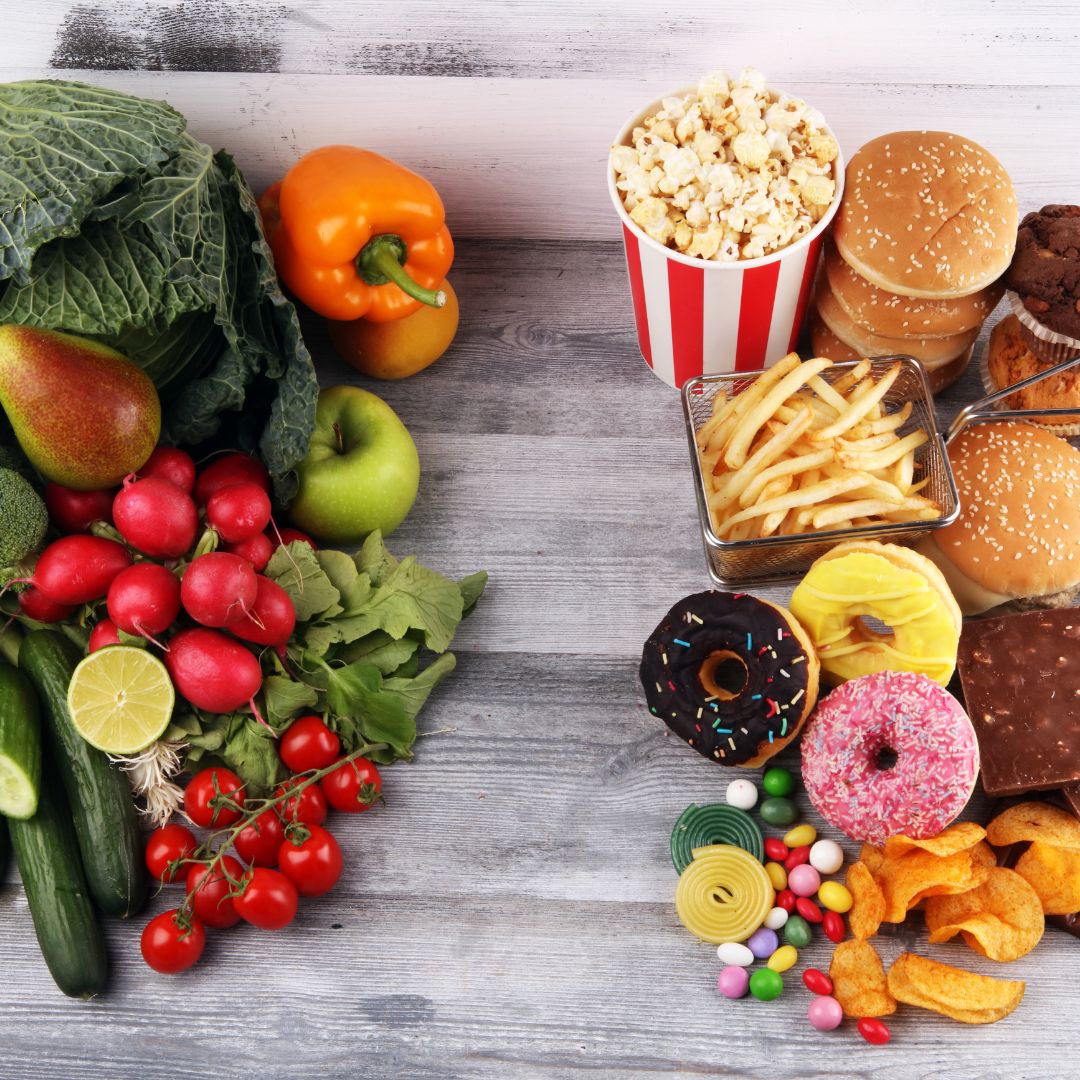
My Top 5 Easy Food Swaps
January often brings so much pressure to overhaul everything all at once. Many of us feel pulled towards strict plans or quick fixes, especially after a busy – and heavy! - December. But the problem is that those restrictive diets rarely last long, and then often leave us feeling hungry, tired and frustrated. And there is soooo much targeted at people with PCOS – it can feel overwhelming.
Gentle food swaps offer a different way forward. They are easy changes that can support better energy, steadier appetite, and a more nourishing routine without cutting out entire food groups. These small changes can help you feel nourished rather than deprived. Plus, they are far easier to maintain in the long term.
Why Gentle Swaps Work Better than Diets
Research shows that nutrition habits that last tend to come from gradual changes rather than all-or-nothing rules. When you focus on adding nourishing foods rather than removing everything you enjoy, your meals feel satisfying and your blood sugar and energy levels often benefit.
Gentle swaps support your metabolism by increasing the amount of fibre, protein or healthy fats in your meals. These nutrients help with satiety, stabilise blood sugar and support digestive health. Over time these small choices add up and create a meaningful shift in how you feel day to day.
They also reduce the sense of pressure that often leads to diet fatigue. By making manageable changes at your own pace, it becomes easier to build confidence and consistency.
5 Practical Food Swaps for Everyday Meals
These swaps are simple, realistic and easy to put into action.
1. Swap toast for a protein-based option such as oatcakes with cottage cheese or eggs with veggies
This reduces reliance on fast-releasing carbohydrates and increases protein and fibre which help keep blood sugar steadier. Oatcakes, cottage cheese and eggs all offer slow and sustained energy while still feeling satisfying and comforting.
2. Swap sugary breakfast cereals for a protein rich start
Many cereals create a quick rise in blood sugar followed by a mid-morning slump. Choosing Greek yoghurt with nuts and seeds, eggs, if tolerated, or a warm porridge with added protein can keep you energised and satisfied (see this month’s Power Porridge recipe)
3. Swap creamy sauces for yoghurt based or olive oil dressings
Plain yoghurt, tahini and olive oil provide a creamy texture with more protein or healthy fats and usually less added sugar. These options help support balanced meals and provide a gentler release of energy.
4. Swap crisps or biscuits for balanced snacks
If you need a snack, choose options that pair protein and fibre. Think snacks like hummus with vegetables, nuts with fruit, or Greek yoghurt with berries. These combinations support fullness and reduce cravings without feeling restrictive.
5. Swap processed meats for lean or plant-based proteins
Choosing fish, poultry, tofu, tempeh or beans if tolerated can provide higher quality protein and more fibre or omega 3 fats. These foods support metabolic health and promote a steadier release of energy throughout the day.
Breakfast Upgrade Ideas
If your breakfast is an area that you’d like to refresh, try one of the following:
• Power porridge with chia and flaxseeds, and protein powder
• Greek yoghurt with berries, nuts and seeds
• A vegetable packed omelette or tofu scramble
• Oatcakes topped with nut butter and sliced fruit
Each of these options supports more balanced blood sugar responses which can help reduce mid-morning cravings.
If you want support creating realistic habits that feel good and last beyond January, why not book a free call to see how nutritional therapy could help you feel more energised and confident with your eating.

Top Tips to Support PCOS this Winter
Why winter can trigger inflammation and flare-ups
Winter often brings a noticeable shift in energy, cravings and symptoms. Darker days, colder weather and changes in routine all influence how the body regulates inflammation. People commonly experience more colds, more fatigue and more reliance on comfort foods during this time, which can place additional pressure on metabolic health.
For those with PCOS, these changes can feel particularly challenging. PCOS is closely linked with chronic low-grade inflammation. Winter may amplify this due to lower vitamin D, disrupted sleep, reduced movement and a tendency toward richer foods. This can lead to more fatigue, skin flare-ups, cravings, mood changes and slower recovery from illness.
The positive news is that simple, sustainable habits can make a meaningful difference to how your body handles winter.
Tip 1: Focus on anti-inflammatory foods
Nutrition is one of the most effective ways to support inflammation. Many whole foods contain natural compounds that help regulate immune responses, stabilise blood sugar and support hormone balance.
Here are some foods with well-researched anti-inflammatory properties:
Turmeric: Contains curcumin, shown to support inflammatory regulation. Add it to soups, stews, curries or warm drinks. Black pepper enhances absorption.
Ginger: Supports digestion and may help manage inflammation. Fresh ginger works well in teas, stir-fries, porridge and broths.
Berries: Rich in polyphenols that help moderate inflammation. Frozen berries are ideal for winter and easy to add to porridge or yoghurt.
Leafy green vegetables: Kale, spinach, cabbage and cavolo nero provide antioxidants, magnesium and fibre which all support immune and metabolic health.
Extra virgin olive oil: A key feature of traditional Mediterranean diets, associated with lower inflammatory markers. Drizzle on salads, vegetables or soups.
Garlic and onions: Contain prebiotic fibres and sulphur compounds that support a balanced gut microbiome, which influences inflammation.
Oily fish: Salmon, sardines, mackerel and herring provide omega 3 fatty acids that support inflammatory balance and cardiovascular health.
Herbs and spices: Cinnamon, rosemary, thyme and oregano offer antioxidant support and add flavour to winter meals.
Warming soups, stews, tray bakes and slow-cooked dishes make it easy to include these ingredients regularly.
Tip 2: Balance blood sugar with warming meals
Large spikes in blood sugar can increase inflammation and lead to energy crashes, cravings and hormonal fluctuations. Winter comfort eating often involves sugary snacks and refined carbohydrates that contribute to these patterns.
Balancing meals helps create steady energy. A useful approach is to include:
Meals such as lentil soup, roasted vegetables with salmon, turkey chilli, or quinoa tofu bowls with winter greens can provide warmth and stability throughout the day.
Tip 3: Prioritise rest and sleep
Sleep has a powerful influence on inflammation. Winter often disrupts sleep patterns due to darker mornings, reduced daylight exposure and seasonal stress.
Low-quality sleep can affect blood sugar control, hunger hormones and mood, all of which are closely connected to PCOS.
Helpful habits include a consistent sleep and wake routine, reduced screen use in the evening and getting outside for daylight exposure when possible. Many people find that improving sleep quality significantly boosts their winter wellbeing.
Tip 4: Gentle movement over pushing too hard
Movement helps regulate inflammation, supports insulin sensitivity and improves mood. During winter it can be tempting to skip exercise or, at the other extreme, push harder to counterbalance food choices.
Gentle, consistent movement is often more supportive. Activities such as walking, yoga, pilates, swimming or light strength training can be enough to improve metabolic health without overwhelming the body. Regular movement also supports immune resilience and emotional wellbeing.
Tip 5: Gut health support in winter
Gut health plays a key role in inflammation, immunity and hormone regulation. Winter routines can affect digestion, microbiome diversity and bowel habits. Supporting your gut can therefore improve resilience during colder months.
Aim to include fibre rich vegetables, fermented foods such as kefir, sauerkraut or live yoghurt, and prebiotic foods like oats, garlic, onions and flaxseed. These support beneficial gut bacteria and help maintain a healthy gut barrier.
If digestive symptoms such as bloating, irregular stools or reflux are frequent, it may indicate underlying imbalances such as dysbiosis or SIBO. Supporting the gut often improves inflammation, energy and hormonal symptoms. Check my gut health blog here.
Bringing it all together
Winter can be a challenging season for many of us managing PCOS. The combination of reduced daylight, colder weather, disrupted routines and dietary changes places extra strain on the body. Small, consistent habits can make a noticeable difference to inflammation, mood and metabolic balance.
Including nutrient dense foods, balancing blood sugar, improving sleep, staying gently active and supporting gut health all help your body feel more resilient in winter. These changes do not need to be complicated or restrictive. Even a few simple adjustments can help reduce flare-ups, stabilise energy and support your overall wellbeing.
If you notice that winter always leaves you feeling more tired, inflamed or out of balance, now is the ideal moment to take supportive action.
If you feel ready to support your hormones, inflammation and winter wellbeing more deeply, help is available. Why not get in touch?
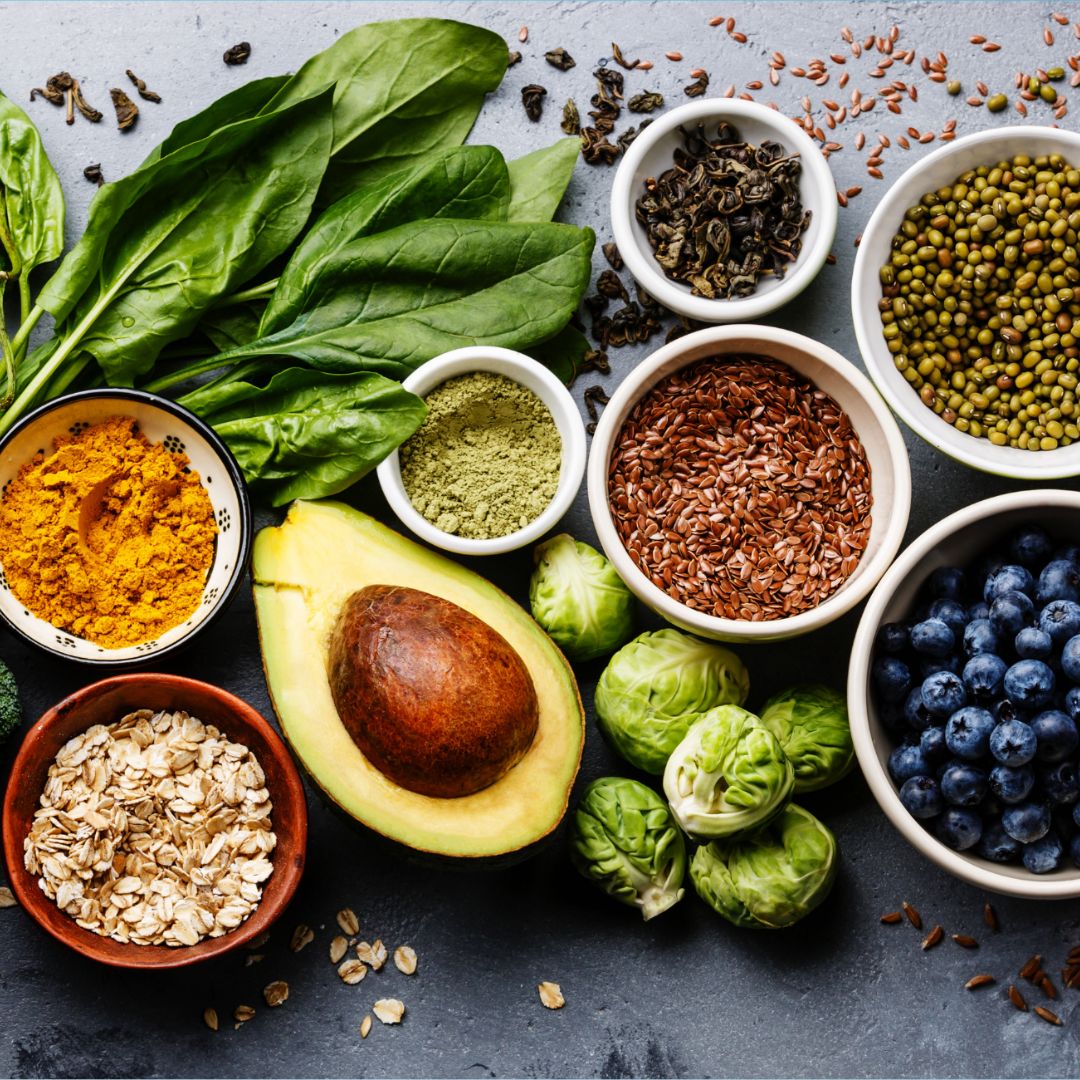
5 Simple Food Swaps to Beat Sugar Cravings with PCOS
Many women with PCOS describe feeling stuck in a cycle of cravings, fatigue, and energy dips. I often hear clients say things like:
These are signs that your blood sugar might be fluctuating more than it should be. When blood sugar rises quickly after eating, the pancreas releases insulin to move glucose into your cells for energy. Over time, repeated spikes can make the body less responsive to insulin’s signal — a key feature of PCOS known as insulin resistance.
Balancing blood sugar helps reduce cravings, stabilise energy, and support hormone regulation. And the good news is, it doesn’t mean cutting out all carbohydrates! We just need to make a few simple swaps that help your body use energy more efficiently.
Swap 1: White carbs → colourful veggies and legumes
Refined carbohydrates such as white bread, pasta, or rice are digested quickly, leading to sharp rises in blood sugar and insulin. Replacing some of these with non-starchy vegetables and fibre-rich legumes can help keep blood sugar steady and provide more vitamins, minerals, and antioxidants.
Try switching to:
Vegetables and legumes add fibre, colour, and texture to meals while supporting healthy digestion and a more balanced insulin response. For ideas, see our Courgetti – Three Ways recipe.
Swap 2: Sugary snacks → protein-based snacks
That mid-afternoon biscuit or cereal bar may give a quick lift, but it often leads to a crash soon after. Protein slows digestion and releases glucose gradually, helping you stay satisfied for longer.
Try replacing sugary snacks with:
A little protein between meals helps stabilise mood and energy while reducing the urge to reach for something sweet.
Swap 3: Fruit juice → fruit paired with protein
Fruit juice, even when labelled “100% pure”, contains concentrated sugars without the fibre that helps slow absorption. This can cause a quick rise and fall in blood sugar.
Whole fruit is a better option, especially when paired with protein or healthy fats to keep energy steady. For example:
Pairing fruit with protein supports satiety and smoother energy through the morning or afternoon.
Swap 4: Sugary breakfasts → savoury, protein-rich breakfasts
Starting the day with a sugary cereal or pastry may feel comforting, but it often leads to mid-morning energy dips. A savoury, protein-rich breakfast balances blood sugar and supports hormone health throughout the day.
Try options like:
These breakfasts combine protein, healthy fats, and fibre to help you stay full, focused, and energised.
Swap 5: Processed ready meals → simple home-prepped meals
Ready meals are convenient but often contain refined oils, added sugars, and low-quality fats that can make blood sugar harder to manage.
Cooking simple meals at home doesn’t need to be complicated. Start small:
Even one or two home-cooked meals each week can help improve energy, digestion, and overall wellbeing.
Small changes, big impact
Balancing blood sugar isn’t about restriction or perfection, it’s about consistency. Small, everyday swaps can support steadier energy, reduce cravings, and make it easier to manage PCOS symptoms in the long term.
Try one or two of these swaps this week and notice how your body responds. Over time, these small steps can make a real difference to your energy, mood, and hormonal balance.
For more on managing symptoms, visit my blog on PCOS Symptoms.
If you’re ready to balance your blood sugar and feel more energised, book a free discovery call to explore how a personalised nutrition plan can support your PCOS journey.
This article is for educational purposes only and does not replace medical advice or diagnosis.
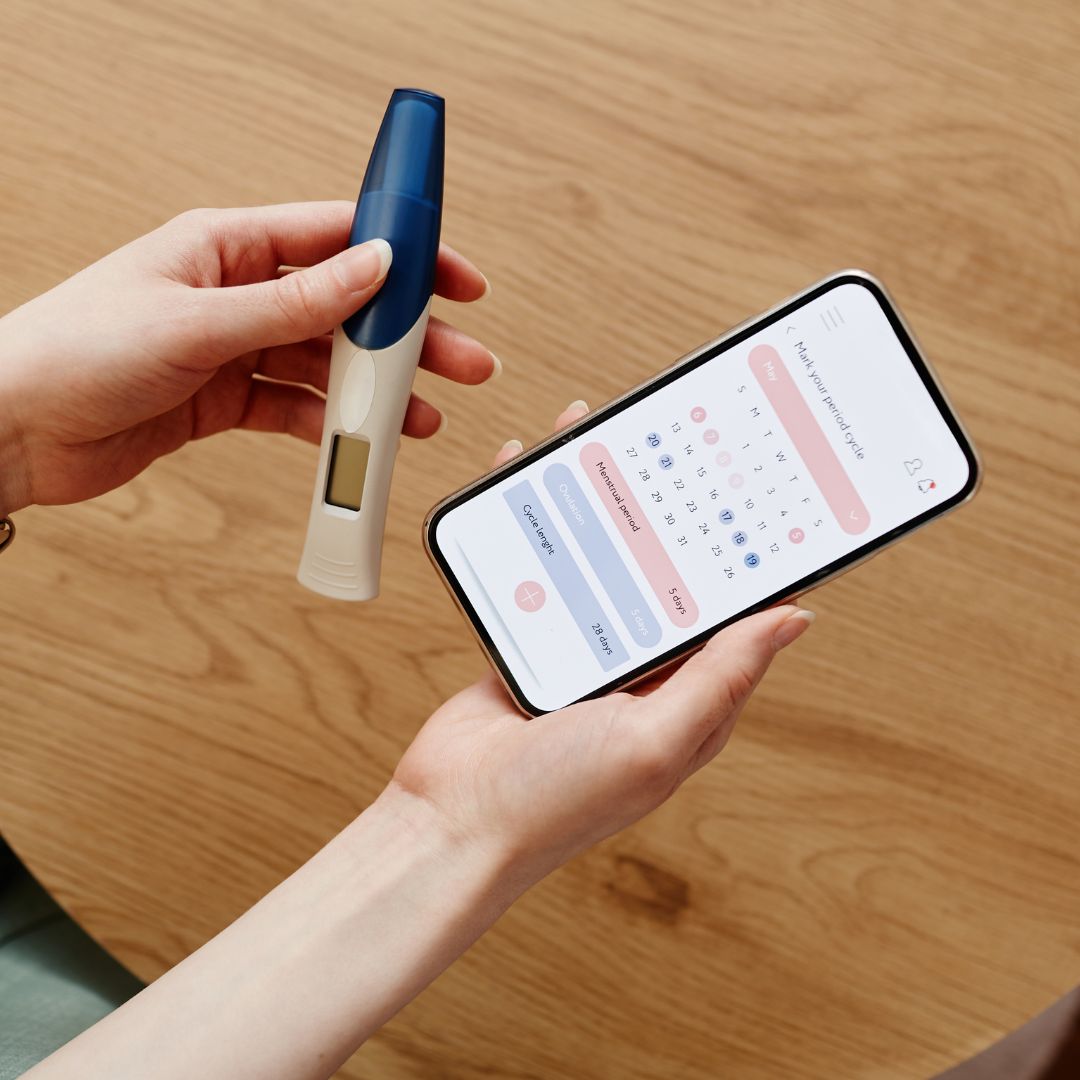
How to Track Your Cycle with PCOS: A Practical Guide
Many women with PCOS I work with describe feeling lost when it comes to their cycles. “My app says I should be ovulating today, but I haven’t had a period in months.” Others share with me the frustration they have of never seeing a positive ovulation test, despite trying month after month. Unfortunately these experiences are not unusual. Tracking cycles in PCOS is complex, and often the tools designed for “average” cycles just don’t work.
In this blog, we will look at why tracking feels confusing in PCOS, what you can track more reliably, and how wearable and digital fertility trackers fit into the picture.
Why cycle tracking feels confusing with PCOS
Most fertility awareness methods and apps are designed around the assumption of a 28-day cycle, with ovulation on day 14. For women with PCOS, cycles are often longer, shorter, or unpredictable, and ovulation may happen later, less frequently, or not at all. This makes standard predictions inaccurate.
There are also unique challenges:
This combination of irregular cycles, altered hormone levels, and inconsistent signals makes tracking with PCOS uniquely challenging — but not impossible.
How to track cervical mucus
Cervical mucus is one of the most useful signs of fertility. Rising oestrogen around ovulation makes mucus clearer, wetter, and more slippery. After ovulation, progesterone thickens mucus again. In PCOS, these patterns can be less predictable, but paying attention over time can still reveal valuable information.
Because hormone fluctuations in PCOS can produce mucus without actual ovulation, this method is not perfect, but it can still offer insight into your unique patterns.
How to track basal body temperature (BBT)
Basal body temperature can help confirm that ovulation has happened. Progesterone released after ovulation raises resting body temperature slightly.
BBT confirms ovulation after the fact but cannot predict it. It works best alongside other methods rather than on its own.
Journal your cycle
Keep a record of your cycle so you can find out what is happening for you. Consistency matters more than the format you choose. Options include:
The aim is to notice your patterns, not to fit your cycle into a textbook model.
Can new technologies help?
Wearable devices and fertility trackers are becoming increasingly popular. Many women use them already for sleep, fitness, or general wellbeing, but can they can also help with cycle tracking in PCOS?
Here is an overview of some of the options currently available. This is for information only (we are not affiliated with or endorsing any company, and this should not be taken as a product recommendation):
Emerging devices are also starting to measure saliva hormones or combine multiple parameters. While promising, most have not been thoroughly validated in women with PCOS.
The bottom line: Technology can be a helpful tool, but in PCOS it is best seen as an additional source of information rather than a standalone solution. Combining data from wearables with your own observations and professional support often provides the clearest picture.
When to seek professional support
If your tracking leaves you feeling more confused than informed, it may be time to seek support. In PCOS, ovulation is not always straightforward, and trying to decode apps or devices alone can feel overwhelming.
While cycle tracking can provide useful insights, it is not a diagnostic tool. If you have very infrequent periods (fewer than four per year), prolonged cycles (longer than 35–40 days), or symptoms that interfere significantly with your quality of life, medical assessment is important. Your GP or specialist can rule out other causes, offer medical investigations, and discuss options for managing PCOS. Nutrition and lifestyle support can work alongside medical care, but they are not a substitute for it.
Working with a qualified practitioner can help you interpret your data and understand what it means in the bigger picture of your health. If you are trying to conceive, fertility specialists can also advise on medical options when needed. Don’t hesitate to book a call with us if you’d like to talk further.
For more detail on how nutrition and lifestyle support ovulation in PCOS, see our article: Understanding Ovulation and Fertility Challenges in PCOS.
Please note, we do not endorse or sell any products mentioned. Devices should be chosen with professional guidance.







For any conditions other than PCOS, please feel free to be in touch with our sister clinic Alex Allan Nutrion
PCOS Clinics is part of the Green Leaf Company (London) Ltd, a limited company registered in England and Wales. Registered number: 10990293
Disclaimer: ‘Please note that nutritional therapy is not medical advice - this should always be sought from your doctor or other medical provider. We aim to work alongside your doctor or GP to provide nutritional and lifestyle advice to support any underlying imbalances.'
Website by Phuse Media - Web Design Southend
