

PCOS in Teens
Polycystic Ovary Syndrome (PCOS) is one of the most common hormone-related conditions in women of reproductive age. In the UK, it is estimated to affect around 1 in 10 women.
While symptoms can start in the teenage years, diagnosing PCOS in adolescents is slightly different from in adults. Current guidelines recommend that for those under 20, doctors look mainly at hormone levels and irregular or absent periods. Ultrasound is not usually advised at this stage, as it has not been found to be reliable in younger women.
Guidelines also note that adolescents who have some features of PCOS, but do not meet the full criteria, may be considered at increased risk. Reassessment is recommended at or before full reproductive maturity (around eight years after starting their first period). This can include girls who had features of PCOS before starting the contraceptive pill, those with persisting symptoms, or those who have gained significant weight during adolescence.
Why early support matters
PCOS is often described as a long-term condition, and its symptoms — such as acne, excess hair growth, hair thinning, or weight changes — can be particularly difficult to cope with during the teenage years.
Although only a GP can make a diagnosis, starting conversations early about nutrition and lifestyle choices may help support overall health and wellbeing in teenagers showing features of PCOS. Parental and family support can also make a big difference in helping young people build positive long-term habits.
The mental health impact
Living with PCOS can sometimes affect mental wellbeing. Research suggests that anxiety, low mood, and depression may be more common in women with PCOS. For teenagers, who are already navigating a time of big changes and pressures, this additional emotional impact may be especially challenging. Supporting both physical and emotional health is therefore important.
Next steps
If you’d like to chat further, we have teen specialists here at our clinic, and we’d be happy to talk with you. Just book a call here.
Please note: we do not diagnose or treat PCOS. Anyone under the age of 16 must have a parent or guardian book and attend the call. Medical advice and diagnosis should always be sought from your GP.
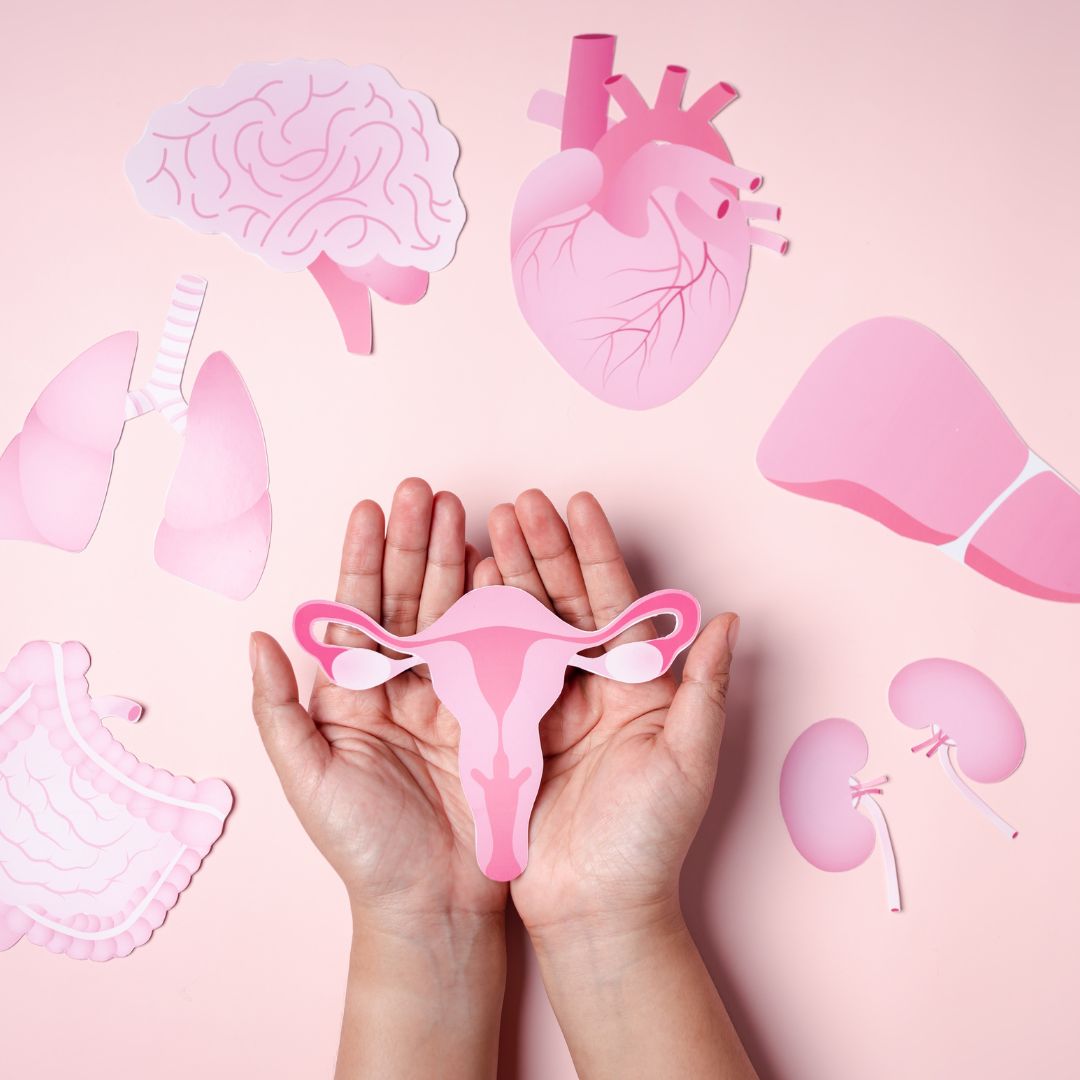
PCOS Symptoms
Polycystic Ovary Syndrome (PCOS) affects an estimated 1 in 10 women in the UK, making it one of the most common hormone-related conditions in women of reproductive age. Worldwide, it is thought to affect more than 100 million women.
The name “PCOS” can be misleading, as not everyone with PCOS has cysts on their ovaries. In fact, around 20% of women without PCOS have cysts, while about 30% of women with PCOS do not.
So, what is it?
PCOS is often described as a complex endocrine condition involving hormonal and inflammatory factors that may disrupt the development of ovarian follicles. This can affect ovulation and menstrual cycles, and may be linked with changes in weight, skin health, fertility, and mood.
Research also suggests that women with PCOS may have a higher risk of developing metabolic complications, such as insulin resistance, type 2 diabetes, altered cholesterol, and cardiovascular risk factors.
Some of the more common symptoms of PCOS include:
Irregular or absent periods
PCOS can disrupt ovulation, sometimes leading to irregular, infrequent, or absent periods. Hormonal changes, particularly higher androgen levels, may contribute to this.
Heavy or painful periods
When ovulation is irregular or absent, the endometrial lining may build up over time. This can result in heavier bleeding when periods do occur. Hormonal imbalances, such as altered oestrogen and androgen levels, may also contribute.
“Cysts” on the ovaries
In PCOS, hormone signalling that supports egg release (ovulation) can be disrupted. Follicles may remain underdeveloped, which can appear as “cysts” on an ultrasound. These are not true cysts but immature follicles.
Acne or oily skin
Higher androgen levels can increase sebum (oil) production in the skin, sometimes leading to clogged pores and acne. PCOS-related acne often appears on androgen-sensitive areas such as the jawline, chest, or back.
Hirsutism (unwanted hair growth)
Androgens can stimulate hair follicles, leading to thicker, darker hair in areas such as the face, chest, or abdomen.
Hair thinning or loss
Some women with PCOS experience hair loss from the scalp, often in a pattern similar to male hair loss. This is linked to follicle sensitivity to dihydrotestosterone (DHT), a potent form of testosterone.
Weight changes
Insulin resistance, common in PCOS, can make it harder for cells to respond to insulin effectively. This may lead to higher circulating insulin levels, which can increase appetite, promote fat storage, and make weight loss more difficult.
Mood changes
Low mood, anxiety, and irritability are commonly reported in PCOS. Hormonal influences, inflammation, and insulin resistance may all play a role, alongside the psychological impact of other symptoms such as acne, hirsutism, or fertility challenges.
Long-term health risks
Research indicates that women with PCOS may have an increased risk of developing type 2 diabetes, cardiovascular concerns, and stroke. This is thought to be linked to factors such as insulin resistance, inflammation, and weight.
The positive news
While PCOS can feel overwhelming, research suggests that nutrition and lifestyle approaches may support symptom management and overall wellbeing.
If you’d like to explore how nutrition and lifestyle changes could support you, you’re welcome to book a free call.
Please note: we do not diagnose or treat PCOS. Nutrition and lifestyle support can complement medical care, but diagnosis and treatment should always be discussed with your GP.
How do I know if I have PCOS for sure?
If you suspect you may have PCOS, the most important step is to speak with your GP. PCOS is what’s called a diagnosis of exclusion – this means other conditions need to be ruled out first. Only a healthcare professional can make the diagnosis, so it’s important to get checked rather than relying on self-assessment.
Things to reflect on before seeing your GP
While you cannot diagnose PCOS yourself, thinking about your symptoms can help you prepare for the appointment. For example:
If you answered “yes” to some of these questions, it may be worth discussing them with your GP.
Keeping a symptoms diary
Before your appointment, it can be useful to keep a record of your symptoms. This can help you and your GP look for patterns. You might want to note:
What guidelines say about diagnosis
According to current NICE guidance:
In adults (over 20 years old), a diagnosis of PCOS may be considered if two out of the following three are present, once other causes have been ruled out:
Or, put more simply:
In adolescents (under 20 years old), diagnosis is based on hormone levels and irregular or absent periods. Ultrasound is not usually recommended at this stage, as it is not considered reliable for diagnosis in younger women.
Adolescents with some PCOS features, but who do not meet the full diagnostic criteria, may be considered at increased risk. Guidelines suggest reassessment at or before full reproductive maturity (approximately eight years after the first period).
Depending on your age and symptoms, your GP may recommend blood tests and/or an ultrasound scan as part of the diagnostic process.
Important note
Nutrition and lifestyle approaches can support general wellbeing if you have PCOS symptoms, but they cannot replace medical diagnosis or treatment. Always seek advice from your GP if you are concerned about your symptoms.
What is PCOS?
Polycystic Ovary Syndrome (PCOS) affects an estimated 1 in 10 women in the UK, making it one of the most common hormone-related conditions in women of reproductive age and a leading cause of ovulatory infertility. Worldwide, it’s thought to affect over 100 million women.
The name “PCOS” can be misleading. It’s actually a collection of symptoms that may have different underlying drivers – and not everyone with PCOS has cysts on their ovaries. In fact, around 20% of women without PCOS have cysts, while about 30% of women with PCOS do not.
So, what is it?
PCOS is often described as a complex endocrine condition involving hormonal and inflammatory changes that can disrupt the development of ovarian follicles. This can lead to delayed or absent ovulation, resulting in irregular or missed periods. In practice, PCOS may affect menstrual cycles, weight regulation, fertility, and other aspects of health.
Research suggests women with PCOS may also have a higher risk of metabolic complications such as insulin resistance, type 2 diabetes, altered cholesterol (dyslipidaemia), and potentially cardiovascular concerns.
Some of the more common symptoms of PCOS include:
What are androgens?
Androgens are hormones such as testosterone, androstenedione, and dehydroepiandrosterone (DHEA). It’s normal to have some androgens – they support mood, libido, and bone health.
In PCOS, higher-than-average androgen levels (hyperandrogenism) are common. This is linked with difficulties ovulating, irregular periods, weight changes, unwanted hair growth, and acne. Hyperandrogenism is therefore considered both a clinical feature and a contributing factor in PCOS.
Factors which may contribute to PCOS
Family history
Insulin and blood sugar balance
Inflammation
Adrenal androgens and stress
Exposure to endocrine-disrupting chemicals
Post-pill hormone changes
In reality, PCOS is often the result of a combination of these factors, with different drivers in different individuals.
Next steps
If you’d like to learn more about PCOS and explore nutrition and lifestyle approaches that may support your symptoms, you’re welcome to book a free call here.
Please note: we do not diagnose or treat PCOS. Nutrition and lifestyle support can complement medical care, but it is important to consult your GP for diagnosis, medical advice, and management.
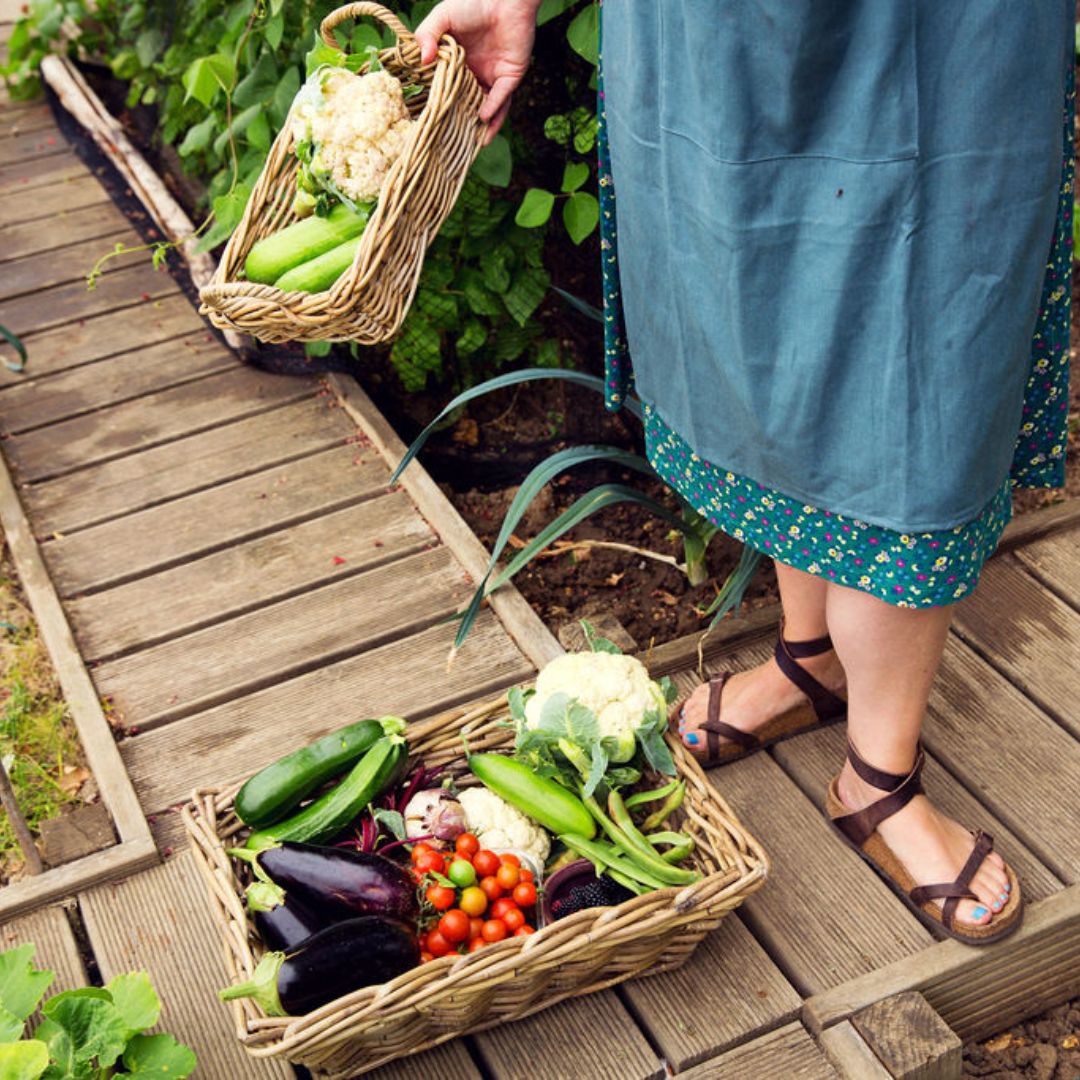
5 Natural Ways to Support GLP 1 in PCOS
Not everyone with PCOS wants to take medication. GLP-1 receptor agonists such as semaglutide (Wegovy, Ozempic) and liraglutide (Saxenda) may help with weight loss and insulin resistance, but they are not the only way to influence the GLP-1 pathway.
The body naturally produces GLP-1 in response to food and gut signalling. This hormone helps regulate blood sugar, slow gastric emptying, and promote satiety – all functions that are sometimes disrupted in PCOS. So, it makes sense to explore how nutrition and lifestyle can enhance your body’s own GLP-1 production and responsiveness.
Here are five evidence-based strategies that may support GLP-1 naturally, and benefit PCOS symptoms in the process:
1. Include foods rich in soluble fibre
Soluble fibre slows digestion, helps to balance blood glucose, and supports your gut microbiome – which all in turn can help to enhance GLP-1 secretion. Soluble fibre also plays a role in improving insulin sensitivity and reducing circulating androgens (male hormones, like testosterone).
Good sources include oats, ground flaxseed, chia seeds, cooked apples and pears (with the skin), beans, lentils, avocado and carrots. Aim to include 10g soluble fibre food in your diet every day.
2. Don’t overlook eggs
Research shows that eggs are a source of bioactive peptides that appear to stimulate GLP-1 secretion. In a randomised crossover study, participants who ate eggs for breakfast had significantly higher GLP-1 levels post-meal compared to those who consumed cereal or a croissant-based meal.
Eggs also provide high-quality protein, choline and B vitamins – all of which support hormone balance, liver detoxification, and brain function.
If you don’t eat eggs, other protein sources like tofu, tempeh, fish and legumes may offer similar benefits, although their GLP-1 response has been less studied.
3. Try intermittent fasting – cautiously and mindfully
Time-restricted eating (such as a 10- or 12-hour eating window) may enhance GLP-1 sensitivity and improve insulin signalling. Several small studies suggest that intermittent fasting protocols can lead to increased GLP-1 levels and improved glycaemic control.
However, fasting isn’t suitable for everyone. In women with PCOS who are underweight, have disordered eating patterns, or experience blood sugar crashes, fasting may do more harm than good. It should be approached carefully and always personalised.
4. Incorporate bitter foods and herbs
Bitter compounds stimulate receptors in the gut and tongue that may increase GLP-1 secretion and slow gastric emptying. This includes foods like rocket, chicory, dandelion greens, grapefruit, endive, and radicchio.
Herbal bitters such as gentian and artichoke extract are also under investigation for their potential effects on satiety and post-meal glucose control, although more research is needed in women with PCOS specifically.
5. Support the gut microbiome
Short-chain fatty acids (SCFAs), produced by the fermentation of dietary fibre by gut bacteria, have been shown to stimulate GLP-1 release via interaction with intestinal receptors. A healthy and diverse microbiome may therefore play a central role in regulating GLP-1 naturally.
To support this, include a variety of prebiotic-rich foods (onion, garlic, leeks, asparagus, oats, flaxseed), fermented foods (sauerkraut, kefir, yoghurt, miso), and polyphenol-rich foods such as berries and green tea.
For women with PCOS who prefer a natural or food-first approach, there are several well-researched ways to support GLP-1 signalling without medication. These strategies may help with appetite regulation, insulin sensitivity and hormone balance – particularly when combined with a personalised nutrition plan. If you are interested in finding out more, why not book a free call with us here?
**This article is for general information only and is not intended to diagnose, treat or advise on medical conditions. Always speak to your GP or a qualified health professional before starting supplements or changing your medication. BANT-registered nutrition professionals do not diagnose or treat medical conditions, nor do they recommend, prescribe or alter any medication**
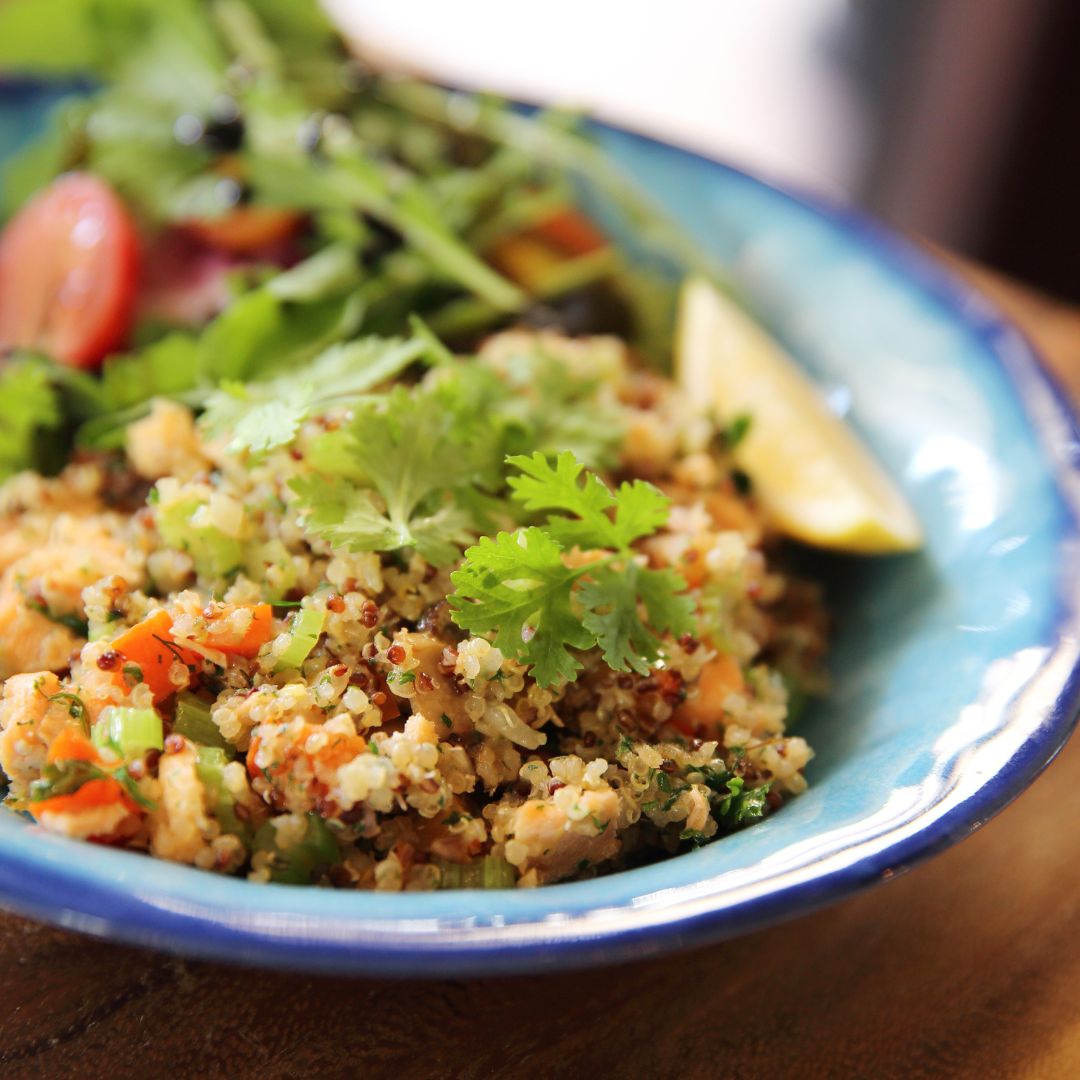
Smoked Salmon, Quinoa and Avocado Salad with Lemon-Tahini Dressing
Many women with PCOS are exploring GLP-1 receptor agonists such as Wegovy or Ozempic to help with weight management and insulin resistance. These medications work by mimicking the hormone GLP-1, which helps slow digestion and reduce appetite. For some, this can lead to significantly reduced food intake – sometimes making it harder to get enough protein, fibre and nutrients across the day.
But even if you’re not using GLP-1 medication, balancing blood sugar and appetite through food is one of the most effective ways to manage PCOS symptoms. This recipe has been developed to support satiety, hormone balance and digestive health.
It’s rich in protein, healthy fats and soluble fibre, with ingredients that naturally support GLP-1 production in the body. It also offers a good amount of micronutrients that are particularly relevant for women with PCOS, including magnesium, B vitamins and omega-3 fats.
Serves 2
Ingredients:
Method:




For any conditions other than PCOS, please feel free to be in touch with our sister clinic Alex Allan Nutrion
PCOS Clinics is part of the Green Leaf Company (London) Ltd, a limited company registered in England and Wales. Registered number: 10990293
Disclaimer: ‘Please note that nutritional therapy is not medical advice - this should always be sought from your doctor or other medical provider. We aim to work alongside your doctor or GP to provide nutritional and lifestyle advice to support any underlying imbalances.'
Website by Phuse Media - Web Design Southend
