

Salmon and Med Veg Kebabs
This is a gorgeous summer recipe - perfect for indoor grill or even on a BBQ when entertaining.
And it's perfect for skin health - salmon - rich in anti-inflammatory Omega 3 fats; peppers - rich in collagen-promoting vitamin C; red onions and fennel - rich in antioxidants to help repair free radical damage to the skin.
Serves 2 as a main, or 4 as part of BBQ
Ingredients
2 wild salmon fillets
1 fennel bulb, chopped into bite-size pieces
2 red peppers, chopped into bite-size pieces
1 lemon, washed
1 red onion, peeled, quartered and each layer separated
1 garlic clove, peeled and roughly chopped
2 tsp chilli flakes
2 tbsp olive oil
Fresh dill, roughly chopped
Sea salt and freshly ground black pepper
Method

Why do we get acne with PCOS?
In a UK-based study, over 50% of women with PCOS reported experiencing acne, and highlighting its effect on their overall wellbeing. This compares to only 21% of British women without PCOS stating that they suffer with acne.
If you have PCOS, this might not be coming as much of a surprise to you! So, why do we women with PCOS suffer more with our skin than the average British woman?
This comes down to our hormone balance again. PCOS is an endocrine (hormonal) condition, and we see that most women with PCOS have higher androgen (or ‘male’ hormone) levels than women without PCOS.
The higher androgen levels in PCOS can stimulate overproduction of sebum in the skin which can clog pores causing spots to form. Additionally, the low-grade inflammation consistent with PCOS can make the acne worse and more painful, sometimes turning into cystic acne, the type of acne that causes deep, painful bumps. It also tends to flare up when stress is involved, or around the time of our periods.
PCOS-related acne is often found in areas of the body that are more androgen-sensitive, such as around the jawline, chin, chest, and back. This is because these areas have a higher density of androgen receptors, which respond to the higher levels of androgens more intensely. This leads to excess sebum production, as well as increased keratin production in the skin, which can clog pores and foster acne. The back and chest are particularly rich in oil glands, hence why those areas can be especially problematic.
The good news is that any of the dietary changes you make with your PCOS to help reduce androgens will then, in turn, help reduce the prevalence of acne that you’re suffering with.
Check out my blog about how to eat healthily for your skin. And, if you’d like to chat further, why not book a call? One of our one-to-one targeted programmes could be right for you.

Your daily habits could be wrecking your mental health.
Here’s how to fix them
The way you start and structure your day plays a huge role in your mental wellbeing. Small, seemingly harmless habits - like checking your phone first thing or skipping breakfast - can set off a chain reaction that affects your mood, energy, and stress levels.
Circadian rhythm disruption can worsen PCOS symptoms due to its role in hormone regulation and overall metabolic health. Specifically, disruptions in circadian rhythms can affect hormones like cortisol, melatonin, and those related to reproduction (LH and testosterone), which are already often elevated in PCOS. Maintaining a regular sleep-wake cycle and healthy circadian rhythm can help manage PCOS symptoms by improving hormone balance and potentially reducing insulin resistance.
The good news is that you don’t need to overhaul your entire life to see improvements. Simple, strategic tweaks can have a big impact, helping you feel calmer, more in control, and more resilient to daily stress.
The stress loop - how modern life is making you more anxious
For many people, stress feels like a normal part of life. But modern habits are keeping stress levels high, even when there’s no immediate reason to feel anxious.
Cortisol, the body’s main stress hormone, follows a daily rhythm, naturally rising in the morning and tapering off at night. But common lifestyle choices - poor sleep, irregular eating, excessive screen time - disrupt this rhythm, leading to chronic stress and low resilience.
Erratic blood sugar levels can also play a role. When meals are skipped or loaded with refined carbs, blood sugar spikes and crashes, triggering cortisol release and creating a cycle of energy dips, cravings, and mood swings.
Breaking free from this loop means taking a closer look at your own daily habits and making small but powerful adjustments.
How your morning routine could be ruining your mood
Morning habits set the tone for the entire day. Some of the most common ones can actually increase stress levels, making it harder to stay focused, productive, and emotionally balanced.
Phone before food - scrolling through emails or social media first thing in the morning spikes cortisol, putting the body into stress mode before the day has even begun.
Caffeine on an empty stomach - coffee first thing might feel like a quick energy boost, but without food, it can cause a blood sugar crash later in the morning, affecting mood and focus.
Skipping protein at breakfast - protein provides the building blocks for neurotransmitters like dopamine and serotonin. A low-protein breakfast (or skipping breakfast entirely) can leave you feeling sluggish and irritable.
Lack of daylight exposure - natural light helps regulate the body’s internal clock and supports serotonin production, essential for mood and sleep. Spending the first hours of the day indoors can throw off this natural balance.
Making simple changes to the morning routine can help stabilise energy, improve focus, and set the stage for a calmer, more productive day.
5 daily habits that will boost your brain and lift your mood
Get light before screens - exposure to natural light in the morning helps regulate cortisol and serotonin levels. Stepping outside for five to ten minutes shortly after waking can improve mood, energy, and sleep quality. If you have time for a walk, that’s great. Even sitting outside with your morning cuppa will work.
Eat within an hour of waking - a balanced breakfast with protein, healthy fats, and fibre helps keep blood sugar steady, reducing mid-morning energy crashes and irritability. The stress hormone cortisol is naturally higher in the morning. Extending a fast until later in the morning – particularly if you’re already stressed – will cancel any positive gains you think you’re getting.
Move more, but gently - exercise is beneficial for mental health, but intense workouts can raise cortisol levels if the body is already under stress. Low-impact movement, like walking or stretching, can be a better choice for stress resilience.
Prioritise protein and healthy fats - protein-rich foods help produce two of the important brain chemicals that support mental wellbeing, dopamine and serotonin, while healthy fats support brain health and inflammation control. Good choices include eggs, nuts, seeds, oily fish, and avocado.
Set a wind-down boundary - evening habits influence how well the body handles stress the next day. Limiting screen time, dimming lights in the evening, and avoiding late-night work can support better sleep and stress regulation.
Small changes, big impact
Improving mental wellbeing doesn’t require a complete lifestyle overhaul. Focusing on small, sustainable habit shifts, such as getting more natural light, stabilising blood sugar, and setting healthy boundaries with screens, can make a noticeable difference in how you feel.
Trying just one of these habits for a week can be enough to see positive changes. The key is consistency over perfection. Making small but intentional choices each day can help break the stress cycle, improve resilience, and support long-term mental wellbeing.
So where will you start? What jumps out at you. And if you would like to talk more, don't hesitate to book in a free call with me here.
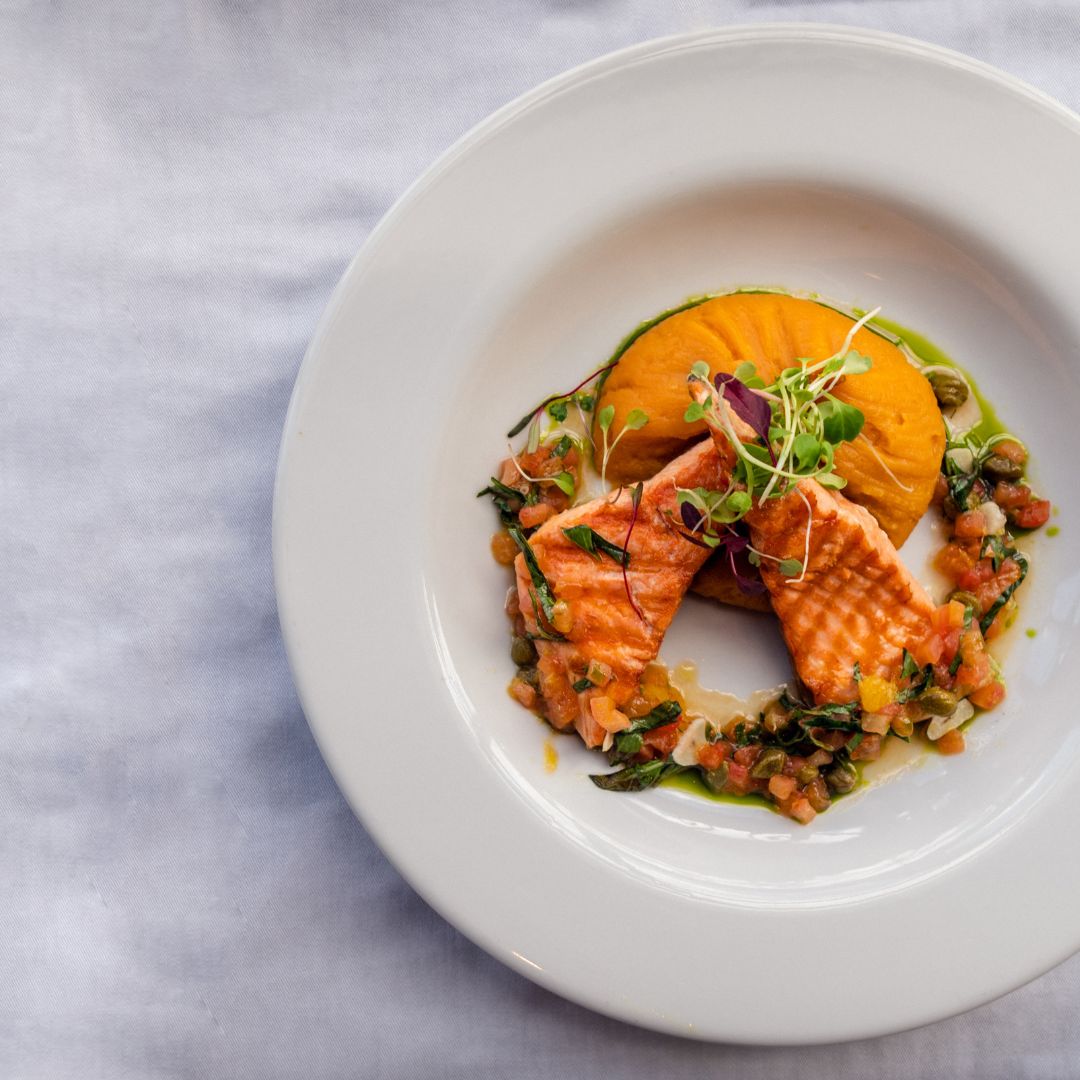
Grilled Salmon with Spiced Carrot and Sweet Potato Mash
This is a great way to include oily fish into your diet. Salmon is high in Omega 3 fats, which are essential for brain health and helping to improve mood.
Ingredients:
2 large carrots, sliced
1 large sweet potato, sliced
200g green beans, trimmed
½ sweetheart cabbage, chopped
½ bag kale, destalked and roughly chopped
4 salmon fillets
½ tsp mixed spice
Sea salt & black pepper
Lemon wedges, to serve
Method:

Good health begins as a thought
Achieving long-term health and energy is a balancing act. Quite simply, what you put into your mind may have as much of an impact as the food and supplements you feed your body.
Many studies have been conducted on the mind-body connection. What we know for sure is that a positive attitude works – when we remember to nurture it.
Wholesome food, avoiding sugar and toxins are obvious tools for great health but how should you deal with the consequences of negative thinking and stress?
Experts rate exercise, sufficient sleep, controlling negative thoughts and building a strong social support as some of the best ways to decrease stress and boost immunity – so paying attention to your feelings and needs is as vital as drinking enough water and avoiding junk food.
Winning ways to promote good mind-body health
1. EXERCISE
The release of endorphins during exercise promotes a sense of wellbeing, which has the added benefit of boosting your immune system.
During exercise, the lymphatic system – a network of tissues and organs that helps your body to eliminate toxins and waste – is mobilised. Its main role is to transport lymph fluid, which contains infection-fighting white blood cells. Unlike the blood, which is transported by the heart, lymph fluid only moves if you do.
A recent study from a North Carolina university showed that people who exercised for five or more days weekly experienced 43% fewer days of upper respiratory infections.
Walking, running or any other muscle-moving activity also dramatically reduces stress by ‘working off steam’ when you are upset or angry. With the release of endorphins, your body receives a natural mood boost, resulting in reduced stress levels, which in turn puts less pressure on your immune system.
2. GET ENOUGH SLEEP
According to an American Psychological Association study, stress is what keeps more than 40% of adults awake at night.
To aim for the recommended seven to eight hours of sleep per night, avoid caffeine, digital screens and try to turn in at the same time each evening.
3. FOCUS ON SELF-CARE
Make an effort to do something nice for yourself every day. Neglecting your own needs adds unnecessary stress to the system, resulting in increased vulnerability to illness.
Women, in particular, tend to put their own needs last, especially if they’re caring for children and/or elderly parents. If you battle with guilt when you take an hour off to read, go for a manicure or have a coffee with a friend, remind yourself that if your bucket is empty, you’ll have nothing left to give anyone else. Simple, but effective.
4. MINDFULNESS
You cut in half the chances of catching a cold by meditating. A University of Wisconsin study showed that people who practised mindfulness – a type of meditation or mental state achieved by focusing your awareness on the present moment, while accepting feelings, thoughts and bodily sensations – noted 13 fewer illnesses and took 51 fewer sick days. Researchers concluded that this reduced the physical effects of stress, which is known to weaken the immune system.
5 IT TAKES A VILLAGE…
Building strong social connections has proven psychological and physiological benefits. Whether you are an introvert or extrovert, having a ‘support group’ – no matter how big or small – boosts immunity by creating ‘stress buffers’.
Being able to share stress or concerns with close family or friends provides an opportunity for outside support and advice, which alleviates a sense of being alone in your situation.
“When we get too caught up in the busyness of the world, we lose connection with one another – and ourselves.” – Jack Kornfield, American author and Buddhist mindfulness pioneer.

Superboost Sesame Salad
A quick and easy fibre-filled salad just perfect for weekday lunches, and perfect for feeding your friendly bacteria!
Serves 2
Ingredients:
1 x 400g can of chickpeas, rinsed and drained
2 celery sticks, finely chopped
6 pieces of marinated artichoke hearts, roughly chopped
6 spring onions, finely chopped
1 tbsp sesame seeds
1 tsp toasted sesame oil
½ lemon, juiced
¼ bag watercress
¼ bag baby leaf spinach
Handful of basil leaves
Extra virgin olive oil, to drizzle
Extra lemon to serve
Method:





For any conditions other than PCOS, please feel free to be in touch with our sister clinic Alex Allan Nutrion
PCOS Clinics is part of the Green Leaf Company (London) Ltd, a limited company registered in England and Wales. Registered number: 10990293
Disclaimer: ‘Please note that nutritional therapy is not medical advice - this should always be sought from your doctor or other medical provider. We aim to work alongside your doctor or GP to provide nutritional and lifestyle advice to support any underlying imbalances.'
Website by Phuse Media - Web Design Southend
