
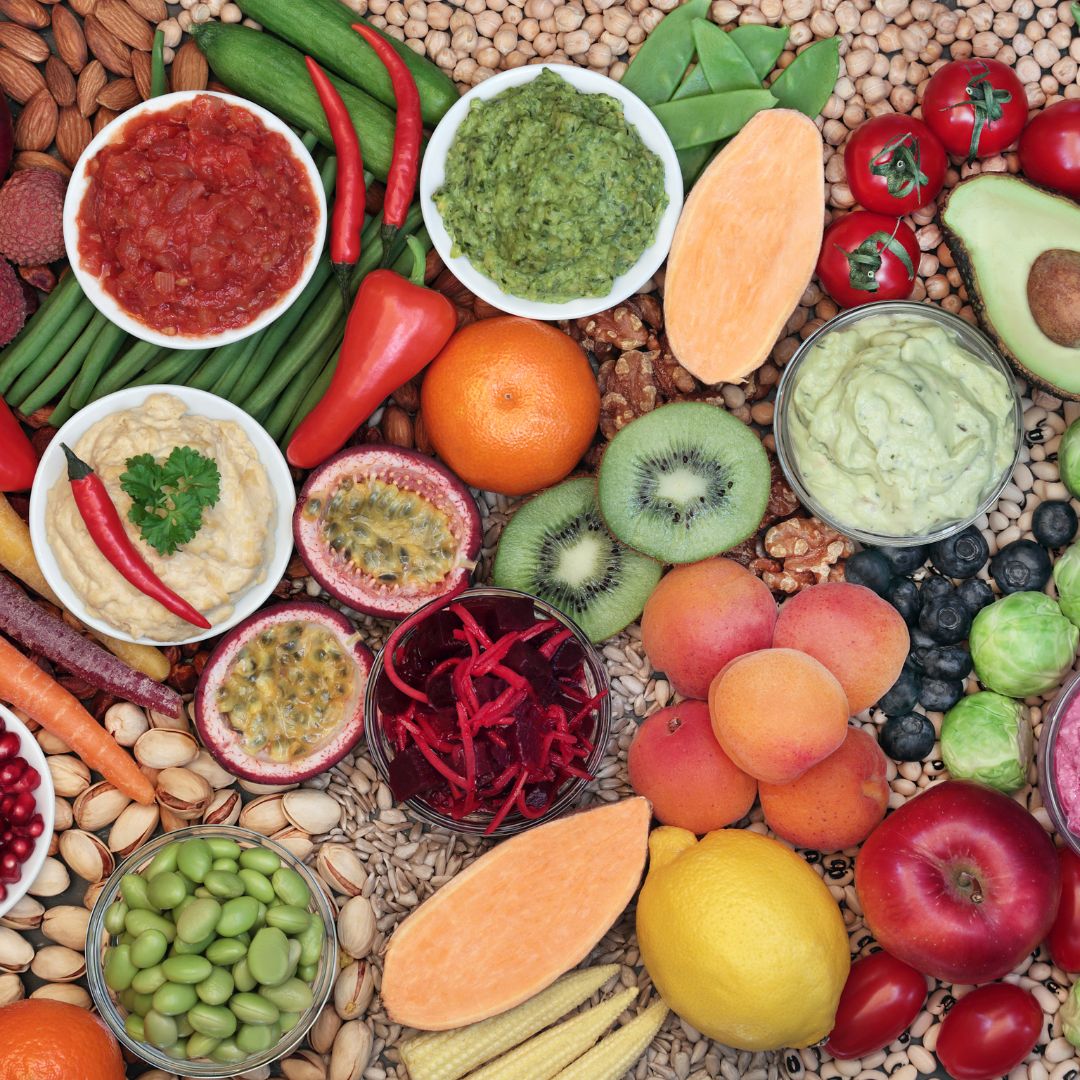
Foods for a Healthy Gut
Some foods are excellent for supporting our digestion and here are some of my favourites that I suggest to clients on a regular basis:
Cruciferous vegetables
These fab veg bring amazing health benefits on a number of different levels. Since we’re talking about foods that are helpful for your digestion, you should know that they contain compounds called glucosinolates, which are fermented by bacteria and used as fuel. They are prebiotic.
Examples include: Bok choy, broccoli, Brussels sprouts, cabbage, cauliflower, kale , rocket, spring greens, watercress.
Fermented foods
Fermented foods have a long tradition in some parts of the world, especially Asia, Africa, and Eastern Europe. Bacteria (and sometimes beneficial yeasts) might be involved in the process and the result is an increase of good bacteria in the foods. You’ve probably heard of live or ‘bio’ yoghurt.
Some of these other probiotic foods might sound peculiar and a little ‘advanced’ for most regular people. However, they are now commonly found on supermarket shelves and, while they might not be the kind of product you would usually go for, it is always worth experimenting. Kimchi, in particular, is often combined with chilli and other flavours and is far tastier than its name might suggest.
Examples include yoghurt, pickles (gherkins), sauerkraut, kimchi (fermented cabbage), tempeh (fermented soya beans), natto (fermented soya beans), miso soup (fermented soya beans), tamari soy sauce, buttermilk, some cheeses like cottage cheese, gouda, mozzarella and cheddar.
Fermented drinks
Like other fermented products, these were once only found in health food shops and were perhaps the prevail of people who ate a very clean and unprocessed diet.
These were a secret waiting for the masses to discover. Often flavoured with fruits, they really are delicious and do not taste 'worthy'. You'll find them in the chilled drinks section in most supermarkets.
Kombucha (fermented tea - sweet and fizzy but without sugar) and kefir (fermented dairy drink very much like a yoghurt drink) are examples.
The only way you’ll know if it’s for you is to try!
Fibre
Fibre is one of the best things to eat to support healthy digestion. Fibre is described as being either insoluble or soluble.
This is part of the plant wall in fruit and veg. It’s indigestible so it passes right through your system, sweeping up toxins and other waste products as it goes, and keeping you regular. The undigested fibre is also fermented by gut bacteria, producing the beneficial short chain fatty acids mentioned earlier.
YOU CAN FIND INSOLUBLE FIBRE IN:
Fruit and veg, beans and lentils, oats and wholegrain foods like brown rice and wheat.
This can be partially digested and is well-celebrated for its ability to reduce cholesterol in the blood and normalise blood sugar levels.
YOU CAN FIND SOLUBLE FIBRE IN:
Oats, veg, fruit (especially apples, pears, berries, and citrus fruits), beans and lentils.
Anti-Microbial Foods
Some foods exert a natural antibiotic or anti-fungal effect and can be useful for keeping nasties like pathogenic bacteria or unwelcome yeasts at bay.
These include caprylic acid found in coconut. Coconut oil is also a very good oil to use in cooking, especially at high temperatures.
Garlic contains the active ingredient allicin, which has historically proven itself to be an effective killer of both bacteria and viruses, making it a great immune-boosting ingredient. Use it raw wherever possible.
Olive oil – the oleic acid has anti-bacterial properties. Use it generously to dress salads and veg.
And we can’t have a list of the foods to add in, without looking at what we need to avoid for a happy tummy:
Sugar and refined carbohydrates
In same way there are things your digestive system loves, there are things it will not love you for. Sugar. That’s the number one thing to avoid, plus anything that contains added sugar.
Other things your tummy is not fond of include highly refined products like white rice, pasta, pastry and snacks like crisps and biscuits.
If you would like to take a look at your gut health – whether you have symptoms or would just like to be optimally well – why not book in a free call? You can book via the link.
Fix Your Digestion Naturally
There are few things worse than tummy troubles. If your digestive system doesn’t work as it should, the result might be pain or discomfort right through to downright embarrassment at the gurgly noises and bad smells your body produces. And this can be doubly annoying if it is also exacerbating your symptoms of IBS.
It doesn’t have to be that way and, as a nutrition practitioner, I am always amazed by how long some of my clients have been trying to muddle through before they seek my help.
What scientists now call the ‘microbiome’ is a parallel universe of all kinds of different microorganisms running all through your digestive tract, that runs from your mouth to… well, the other end.
Most of these organisms are bacteria, and there are lots more of these than there are cells in your body - about ten times as many. The balance of the bacteria in your digestive system has implications for your health in general and not just your innards. In short, it’s important to have the right kinds of bacteria in the right places. It matters that the ratio of good to bad bacteria works – when you’re out of balance (there are more unfavourable bacteria and other microorganisms) nutritionists call this ‘dysbiosis’.
Dysbiosis can result in your digestive system becoming a more favourable environment for yeasts like candida or parasites. There are some places you don’t really want many bacteria, whether good or bad, like in the small intestine. Your body really should do a daily swoosh of all bacteria from the small intestine down to the colon (it's called the Migrating Motor Complex).
There are many reasons why this might happen – like having had food poisoning in the past – and the result is that the bacteria left behind feast on the food you’re eating, causing bloating, wind, feelings of nausea, diarrhoea and constipation (or a combination of the two). Essentially, all those things you might be linking to your irritable bowel syndrome (IBS).
I’m going to be straight with you and say that the ideal situation is that you bring your digestive problems to me, and that we talk about getting to the bottom (excuse the pun) of exactly why your system isn’t working the way it should, and this usually involves some testing. When you’re ready to prioritise your health, you know where I am.
In the meantime, here are my top 5 tips to help to fix your digestion
The first step in the digestive process is often overlooked but it's a really important one. Known as the cephalic phase, it’s triggered when you see or smell food. You are literally whetting your appetite. When you start thinking about the lovely meal you are going to prepare, you are getting your digestive juices flowing. The enzymes in your saliva help you break down your food more easily so, when the time comes, your body is actually ready to start digesting food before you have even cut the first slice – never mind actually putting anything in your mouth.
It may sound an incredibly simple step – and it is – but these days we are often so busy that we don’t make the time to think about our food in this way. If you find you're always eating on the go, throwing a sandwich down your neck at your desk or having a TV dinner, this is a vital step you are missing out on. One trick is to be mindful and try and spend a few minutes thinking about your tasty lunch before you eat it to get the digestive juices going.
Your stomach does not have teeth! Chewing your food is the second phase of digestion, and it’s key when it comes to good gut health. With proper chewing, you are mechanically breaking down the food into smaller pieces, so that there’s a greater surface area and the digestive enzymes can get to work more easily, doing their job. And the bad news?
If you’re not chewing properly, it’s highly likely that you’re not digesting your food properly. And that means you won’t be absorbing vital nutrients either. Not chewing also means the food you eat takes much longer to break down and, as it hangs around in your digestive system, it can start to ferment, causing uncomfortable wind, gas and bloating. Don’t worry about chewing a certain number of times – that all depends on what you are eating and various other factors.
Instead try this test: chew your food enough so that if someone asked you to spit it out, they wouldn’t know what you had been eating. Another sign you need to chew more is if you start to see undigested food in your stools.
Sales for heartburn tablets are skyrocketing because so many people wrongly assume that their digestive troubles are because of too much stomach acid. What nutritionists like me find more frequently in the clinic is the total opposite! Getting older, stress and some over-the-counter medications can make your stomach acid levels drop to the extent that you don’t produce enough to digest food sufficiently.
Why is this important? The stomach acid you produce not only kills any bacteria in the food you are eating, but it also breaks down the protein in your meal. If you’re not properly digesting the protein element in food, it can start to ferment, creating gases that force up the oesophagal sphincter muscle (a type of muscle flap) and what little stomach acid there is can escape. So that burning feeling, especially if accompanied by smelly gas, can be a sign your digestion isn’t working as well as it should be.
One solution is to have a teaspoon of apple cider vinegar before each main meal. It’s important you choose apple cider vinegar with the ‘mother’ rather than one you can buy in the supermarket (that’s for your chips).
There are people who genuinely produce too much stomach acid and, if you try the apple cider vinegar trick and it seems to make things worse, you can neutralise the acid by taking a little bicarbonate of soda.
Digestive enzymes break down your food into nutrients so your body can absorb them. But as you age, you naturally produce fewer of these helpful enzymes. You can counteract this by increasing your intake of foods that are higher in them – eating pineapple or papaya before a meal can help.
If you aren’t a fan of these fruits, instead try a digestive enzyme capsule (available from health food shops), which will give your system a gentle boost to help it do its job properly.
Not eating is almost as important for your health as eating. It’s important to space out your meals so the digestive system actually gets a chance to rest. This might require some self-discipline if you’re a frequent grazer.
Eating every 4-6 hours is a good benchmark to aim for and gives the body enough time to completely digest the previous meal and have a break before you put it to work again.
Of course, there will be days when your eating routine falls out of whack, but don’t beat yourself up. Just try and get back on track the following day.
And if you would like some help working out *why* you have these symptoms, why not get in touch? You can book a free call here.

The Link Between PCOS and IBS
PCOS is an endocrine (or hormonal) disorder, whereas IBS or Irritable Bowel Syndrome is a gastrointestinal disorder meaning it affects our gut health and digestion. It is generally given as a diagnosis of exclusion, where conditions like Crohn’s disease, ulcerative colitis and coeliac disease have been eliminated. It is thought to affect 1 in 5 people in the UK. Symptoms include Typical IBS symptoms include abdominal pain, diarrhoea and/or constipation, bloating, wind, indigestion, mucous.
If you have PCOS, you may also experience symptoms of IBS. Here are potential reasons behind the association, according to research:
High levels of hormones
PCOS is marked by overly high levels of luteinising hormone (LH) and follicle-stimulating hormone (FSH), which are there to stimulate ovulation. Not only are excess levels of these hormones indicative of PCOS, but they can also lead to symptoms of IBS. Research shows that high levels of LH and FSH can cause slow transit of food in the digestive tract, leading to constipation.
Being female
Studies show that far more women suffer with IBS than men. Therefore, being a woman may increase your chance for having both conditions.
Although it isn’t entirely clear why IBS is more common in women, it’s thought to be related to sex hormones. Oestrogen and progesterone may slow down intestinal muscle contractions leading to constipation. Plus, hormone fluctuations during menstruation can lead to fast transit, which can cause diarrhoea.
Inflammation
Inflammation is a common driver of PCOS symptoms – and it is a common driver of IBS.
Inflammation plays a role in the development of IBS. This includes inflammation of the mucosal gut lining, as well as neuroinflammation via the gut-brain axis The gut-brain axis is the neuronal system that connects your brain and gut.
Stress
Stress is another drive of PCOS, as we have seen.
Strong emotions like stress, anxiety, and depression trigger chemicals in the brain that turn on pain signals in your gut that may cause your colon to react. Stress and anxiety may make the mind more aware of spasms in the colon. IBS may be triggered by the immune system, which is affected by stress.
Alterations to the gut microbiome
We have around 2kgs of bacteria in our large intestine called our gut microbiome. These bacteria help with our immune tolerance, create special chemicals to feed our gut lining, help make vitamins and many other important jobs. Research shows that women with PCOS have far less diverse microbiomes than women without PCOS.
But why do we get IBS? As a syndrome it’s really an umbrella name for a variety of different digestive disruptions, such as:
Working with a qualified health practitioner, like our team here at PCOS Clinics, can help you get to the root cause of your digestive discomfort. Fully trained practitioners can organise testing such as:
If you’re suffering from symptoms of IBS, why not get in touch? We can help you determine the root cause of what’s going on for you. Tackling your IBS may be one of the main steps to getting your PCOS symptoms under control, especially as IBS can be a major trigger for inflammation. Why not book a call?

Ever feel like the weight of the world is a little lighter after a chat with a friend or a shared laugh with a group? It's not in your head. Science shows that community and connection are powerful ingredients in the recipe for better health - and they might just be the missing piece of your wellbeing puzzle.
We're wired for connection. Humans are social creatures, and our health depends on it. Studies have shown that people with strong social ties live longer, have better immune systems and even recover faster from illness. On the flip side, loneliness is as harmful to your health as smoking 15 cigarettes per day. Yes, really - click here to find out more.
Take Okinawa, Japan, where people form moais, small groups of friends who commit to supporting each other for life. Or Sardinia, Italy, where communal meals and shared celebrations are part of daily life.
What makes these communities special isn't a secret. They've simply made connection a priority. And that connection, whether through friends, family, or shared purpose, creates a ripple effect: better habits, stronger resilience, and a greater sense of belonging.
Let's be honest: making changes to your diet, exercise, or lifestyle isn't always easy. But when you are part of a supportive community, it's a whole lot easier to stay on track. Surrounding yourself with people who share your goals - whether it's eating better, moving more, or just being kinder to yourself - can inspire you to achieve more than you thought possible. This is one of the reasons Facebook groups - despite all the politics - are thriving.
Eating habits: Sharing healthy recipes or cooking with friends makes good nutrition feel fun and sustainable
Exercise motivation: Joining a walking group or fitness class keeps you moving (and accountable)
Emotional support: A quick chat with someone who 'gets it' can help you power through those tough days, particularly when dealing with a condition like PCOS
We tend to reflect the behaviours of those around us. So, finding a community that supports your goals isn't just nice - it's smart.
Connection isn't just about shared goals. It's about feeling seen, valued, and part of something bigger than yourself. That sense of belonging can lower stress, boost happiness, and even reduce inflammation in the body. It's the ultimate mind-body benefit.
Whether it's a group of close friends, a local community group, or even an online space where you feel at home, belonging feeds your soul and your health.
Community comes in all shapes and sizes, and finding the right fit for your personality, lifestyle, and goals is key. Here are some examples of thriving community spaces that can inspire connection and better health:
Health and wellness groups
Fitness classes: local yoga studios, Zumba sessions, or even park boot camps often create a strong sense of camaraderie. Sharing a workout with others can help you stay motivated, even on the days when you'd rather not lace up your trainers.
Why it works: The shared goal of better fitness fosters a positive, supportive environment. You're not just exercising: you're bonding over a shared challenge.
Cooking or nutrition workshops: Whether it's a meal-prep class or a group that meets to share healthy recipes, these spaces offer practical knowledge and social connection.
Why it works: Cooking and eating are inherently social activities, and group settings make them even more enjoyable. You can also swap tips, successes, and even the occasional healthy treat.
Virtual communities
Online forums and groups: Platforms like Facebook groups or community apps (eg Meetup or Nextdoor) allow people with shared interests to connect, regardless of location. For example, a virtual walking club where members log miles and cheer each other on through group chats or video calls. Or why not join our PCOS Facebook group? You can find it here.
Why it works: For people with busy schedules, mobility challenges, or who live in rural areas, online communities can offer the same benefits as in-person ones.
Cross-generational opportunities
Volunteering programmes: Community gardesn, charity events, or organisations like Age UK or Lady McAdden's often bring people together of all ages to work on shared projects.
Why it works: Cross-generational activities encourage empathy, expand perspectives, and bring a wealth of new ideas to the table. Plus, they create a sense of purpose.
Mentorship schemes: Whether it's through a professional organisation or a local school, mentorship provides a two- way exchange. The mentee gains knowledge, and the mentor finds fulfilment in giving back
Hobby-based groups
Outdoor clubs: Hiking groups, cycling clubs, or even birdwatching societies combine physical activity with the chance to connect over a shared love of nature.
Why it works: Time outdoors reduces stress, boosts mood, and offers a refreshing change of scene, while the group dynamic keeps you engaged.
Creative meetups: Think knitting circles, book clubs, or art workshops. These are spaces where people come together to create, learn and share.
Why it works: Creativity is a powerful way to relax and focus and doing it with other multiplies the joy and motivation.
Faith-based communities
Many religious and spiritual organisations offer regular gatherings that focus on connection, reflection, and shared purpose.
Why it works: Faith communities often create a strong sense of belonging, which can reduce stress and provide comfort in challenging times.
If you're thinking, "That sounds amazing, but where do I start?", here are some ideas:
Reconnect: Reach out to friends or family members who make you feel good.
Try something new: Join a class or club that sparks your interest.
Find your online tribe: Virtual communities can be just as supportive as in-person ones.
Start small: Even one meaningful connection can make a difference.
It's completely normal to feel unsure or hesitant when it comes to building connection. The important thing is to take that first small step. Whether it's to text an old friend, attending a new class, or simply smiling at someone in passing, every little effort counts. Over timelines those small moments of connection can grow into something bigger - a network of support, joy, and belonging.
So, who will you connect with today?
Who are your biggest cheerleaders?
How often do you connect with them?
What's the one thing you can do this week to nurture those relationships?
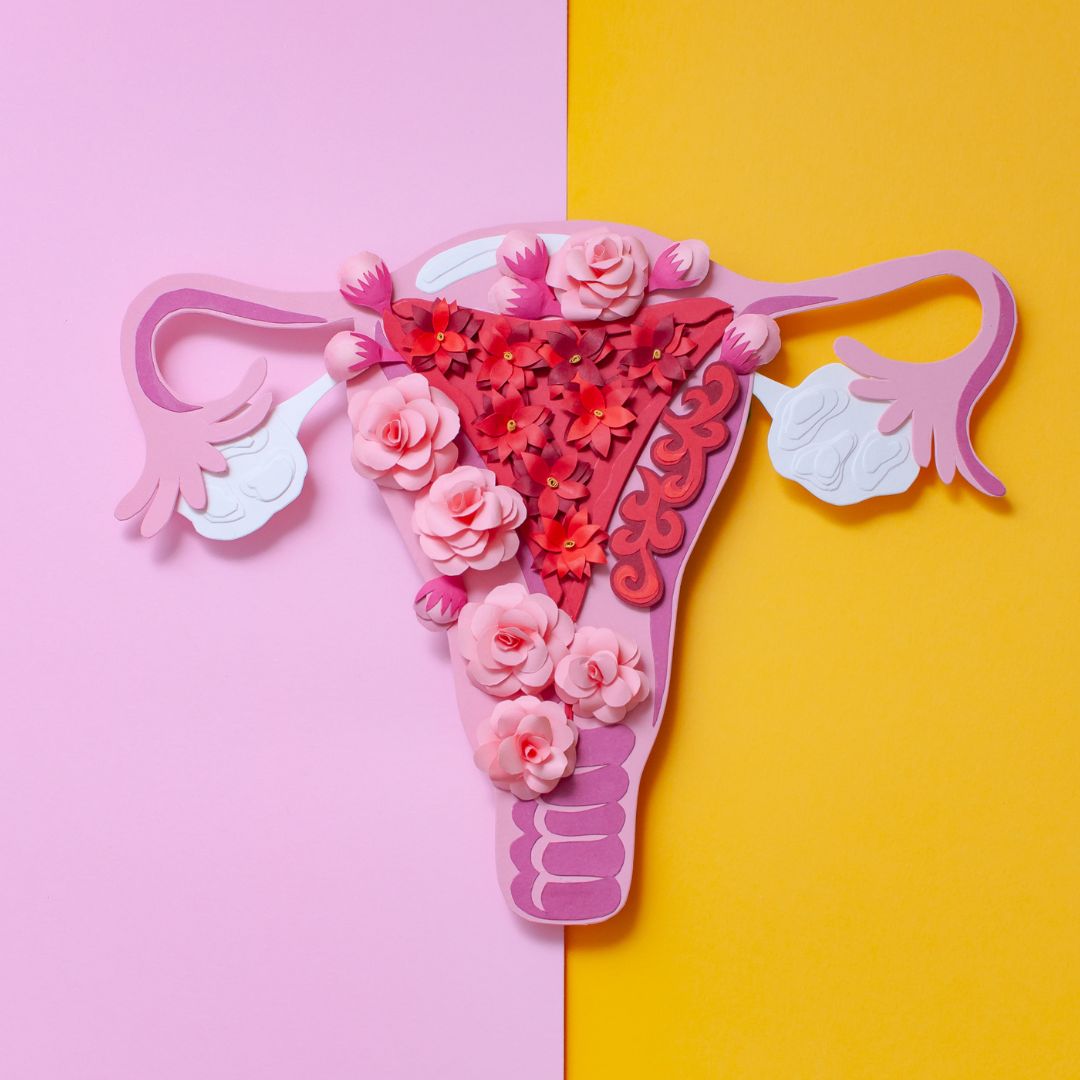
Understanding Endometriosis vs. PCOS
It is Endometriosis Awareness Month this month. Endometriosis affects about 1.5 million women in the UK, but it remains one of the most under-diagnosed conditions.
While we are PCOS specialists here at PCOS Clinics, we often see women with endometriosis as well as PCOS in clinic. So, what’s the difference?
Endometriosis and polycystic ovary syndrome (PCOS) are two common conditions that affect women. While both conditions can cause menstrual irregularities and fertility challenges, they differ in their underlying hormonal imbalances, symptoms, and treatment approaches. Understanding these differences is key to seeking the right diagnosis and treatment.
Endometriosis vs. PCOS: How They Differ
Both conditions can lead to heavy menstrual bleeding and issues with fertility, but they have distinct causes and symptoms:
Symptoms of Endometriosis vs. PCOS
|
Symptom |
Endometriosis |
PCOS |
|
Heavy bleeding |
Yes |
Yes |
|
Irregular periods |
Rare |
Yes |
|
Painful periods |
Yes |
Sometimes |
|
Pelvic pain |
Before periods |
Any time |
|
Pain during or after sex |
Yes |
No |
|
Painful urination or bowel movements |
Yes |
No |
|
Excess body hair |
No |
Yes |
|
Hair loss on head |
No |
Yes |
|
Acne and oily skin |
No |
Yes |
|
Fatigue and low energy |
Yes |
Yes |
|
Weight gain |
No |
Yes |
|
Bleeding without ovulation |
No |
Yes |
Prevalence of Endometriosis and PCOS
What Causes Endometriosis and PCOS?
Endometriosis Causes
While the exact causes are not yet known, the following hypotheses have been put forward:
PCOS Causes
Who is at Risk?
Risk Factors for Endometriosis
Risk Factors for PCOS
Can You Have Both Conditions?
Yes. Studies suggest a strong link between PCOS and endometriosis, particularly in individuals experiencing pelvic pain or infertility.
High androgen and insulin levels in PCOS may contribute to anovulatory periods (periods where we don’t ovulate), which may lead to higher levels of oestrogen, potentially exacerbating endometriosis.
Conventional Treatment Options for Endometriosis and PCOS
Endometriosis Treatment
PCOS Treatment
When to See a Doctor
Seek medical advice if you experience:
Early diagnosis is crucial for symptom management. A gynaecologist or endocrinologist can provide a tailored treatment plan.
Final Thoughts
Endometriosis and PCOS are distinct but often misunderstood conditions that can significantly impact overall health.
While endometriosis results from excessive oestrogen and misplaced uterine tissue growth, PCOS stems from an overproduction of androgens, leading to metabolic and reproductive complications. If you suspect you have either condition, early medical intervention can help manage symptoms and improve quality of life. And don’t forget the power of diet and lifestyle changes – if you’d like to know more, get in touch.
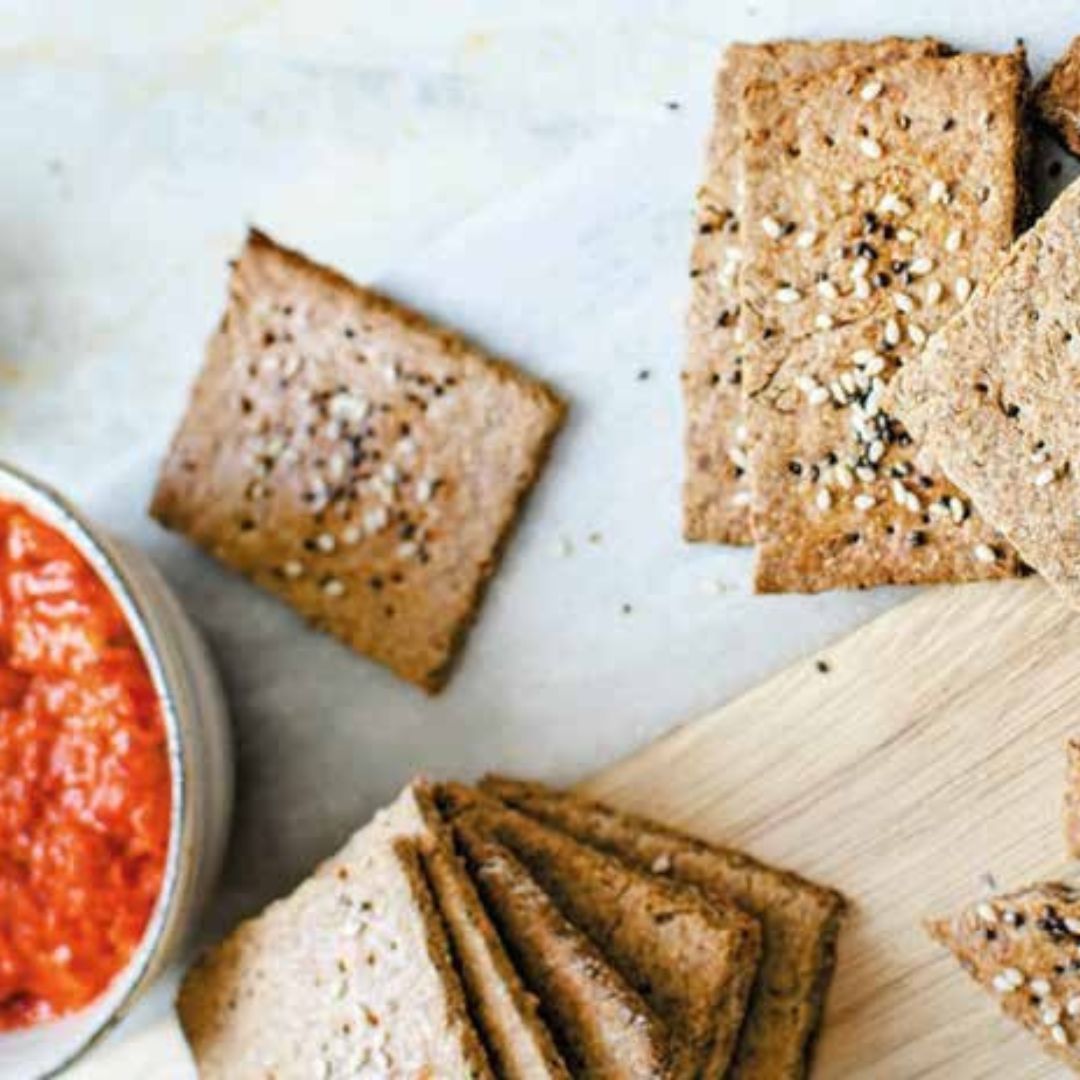
Cheesy flax crackers
These are a great addition to a hormone-balancing diet, as flaxseeds, the primary ingredient, contain lignans, a type of plant compound with oestrogen-balancing properties.
Plus, they’re low carb so are great for blood sugar balance.
Makes 10
Ingredients
50g grated Gruyère cheese (Parmesan also works well)
130g ground flaxseeds
2 tsp dried oregano
½ tsp chilli flakes
½ tsp salt ground black pepper to taste
Method





For any conditions other than PCOS, please feel free to be in touch with our sister clinic Alex Allan Nutrion
PCOS Clinics is part of the Green Leaf Company (London) Ltd, a limited company registered in England and Wales. Registered number: 10990293
Disclaimer: ‘Please note that nutritional therapy is not medical advice - this should always be sought from your doctor or other medical provider. We aim to work alongside your doctor or GP to provide nutritional and lifestyle advice to support any underlying imbalances.'
Website by Phuse Media - Web Design Southend
