
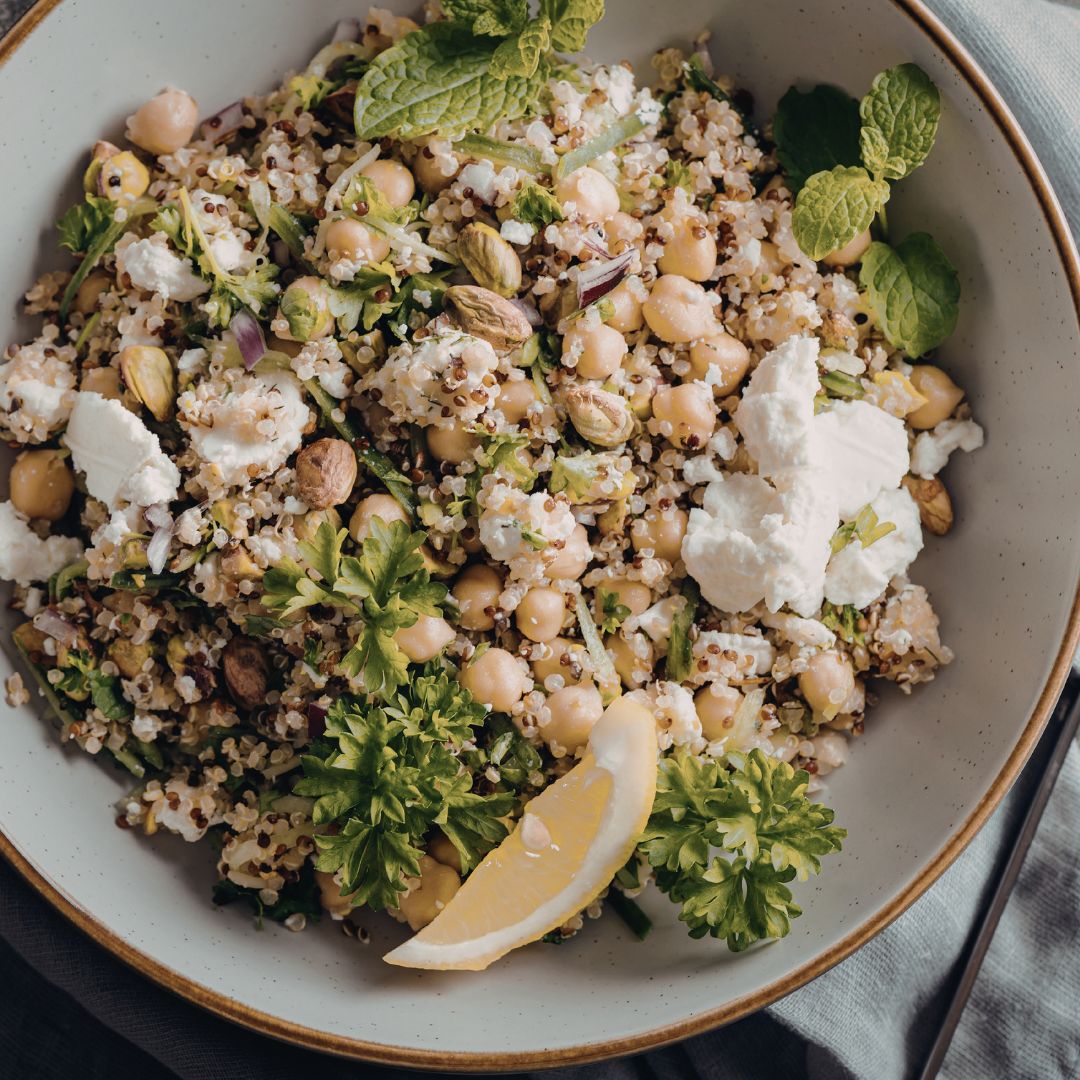
Spring Gut Glow Salad
A simple, gut-supportive spring meal for PCOS
When conversations about gut health and PCOS become overwhelming, returning to food in its simplest form can be surprisingly powerful. Many women are told to increase fibre, add prebiotics, or follow complex gut protocols, yet practical guidance on what this looks like in everyday meals is often missing.
For women who experience bloating or IBS-type symptoms, fibre-rich meals can sometimes feel intimidating. Gradual exposure, thoughtful ingredient choices, and balanced meal structure often make a significant difference to tolerance.
Serves 3
Ingredients
Dressing
Method
If you’re prone to bloating, IBS-type symptoms, or feel nervous about fibre-rich foods:
Storage & meal prep
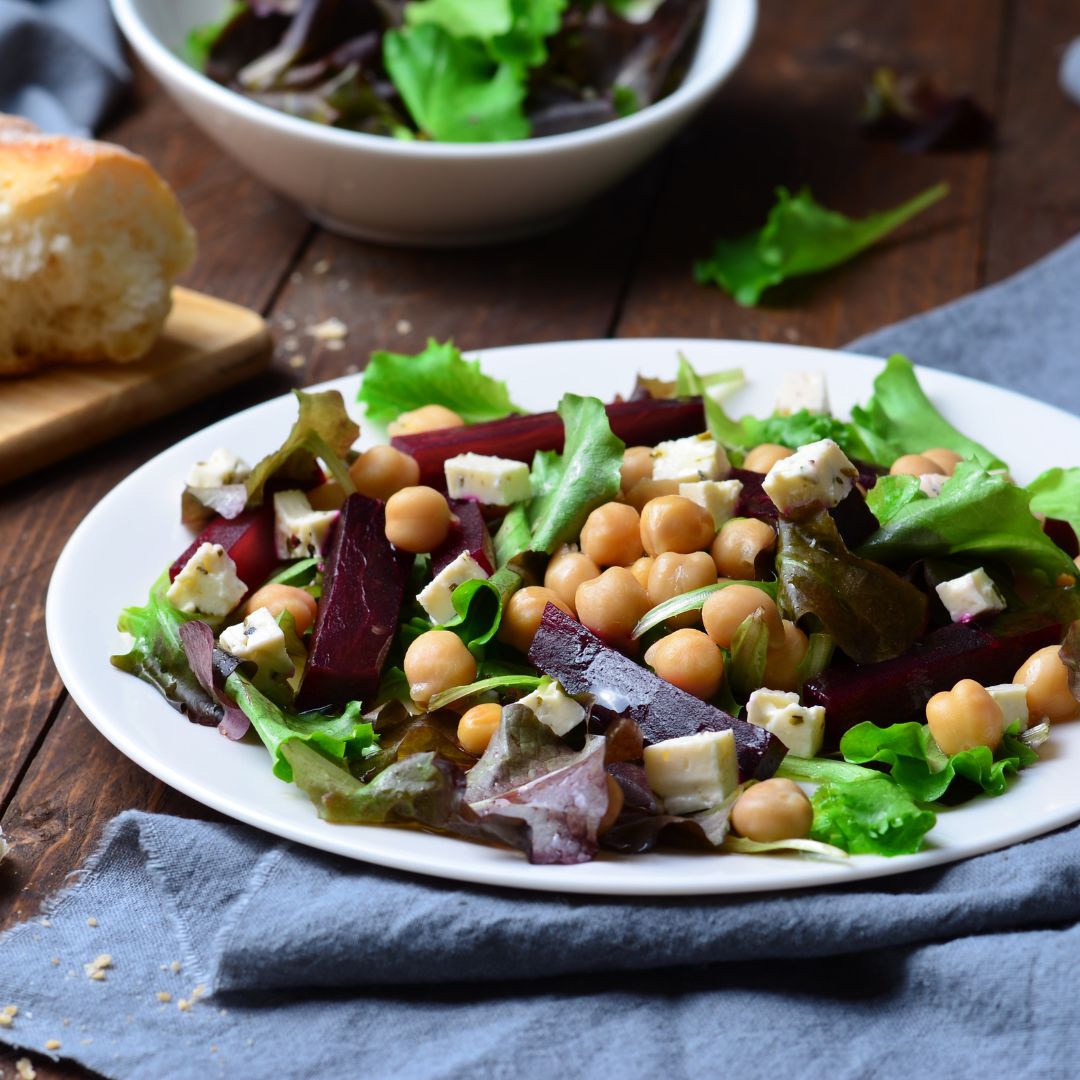
Omega-3-Rich Mackerel and Beetroot Salad
When it comes to PCOS and heart health, nutrition does not need to be complicated to be effective. Simple meals built around the right balance of fats, fibre and plant compounds can support cardiovascular health while also addressing key drivers of PCOS such as insulin resistance and low-grade inflammation.
This omega-3-rich mackerel and beetroot salad is a good example of how everyday ingredients can come together to support heart health and inflammation balance in PCOS, without relying on ultra-processed foods or lengthy preparation.
Why omega-3 fats matter in PCOS
Omega-3 fatty acids, particularly EPA and DHA found in oily fish, have been widely studied in relation to cardiovascular and metabolic health. In PCOS, this is especially relevant because omega-3 intake has been associated with improvements in triglyceride levels, inflammatory markers and overall cardiometabolic risk in several recent reviews.
Omega-3 fats help regulate inflammatory signalling pathways and are involved in the production of compounds that support resolution of inflammation. This matters in PCOS, where chronic low-grade inflammation is common and contributes to insulin resistance and cardiovascular risk over time.
Mackerel is one of the richest and most affordable sources of omega-3 fats available in the UK. Including oily fish regularly, in line with UK dietary guidance, fits well within dietary patterns that support both heart health and metabolic balance in PCOS, such as a Mediterranean-style approach.
Beetroot complements this by providing fibre, polyphenols and dietary nitrates. Dietary nitrates are converted in the body to nitric oxide, which supports blood vessel function and healthy blood flow. Beetroot fibre also contributes to gut health, which is increasingly recognised as part of both inflammation regulation and hormone balance in PCOS.
Together, these ingredients support multiple aspects of cardiometabolic health in a food-first way that is practical and sustainable.
Mackerel and Beetroot Salad
This recipe works well as a light lunch or as part of a larger meal, particularly when you want something satisfying that supports steady energy.
Serves 2
Ingredients
2 mackerel fillets, smoked or freshly cooked and flaked
2 medium cooked beetroot, sliced or cubed
½ tin chickpeas, drained
A handful of rocket or mixed salad leaves
Half a small red onion, finely sliced
A tablespoon of capers or chopped gherkins (optional)
Extra virgin olive oil
Lemon juice or red wine vinegar
Fresh black pepper
Method
Arrange the salad leaves on a serving plate or in a bowl.
Add the chickpeas, beetroot and red onion, then gently flake the mackerel over the top.
Sprinkle with capers or gherkins if using.
Drizzle with extra virgin olive oil and a squeeze of lemon juice or vinegar.
Finish with black pepper and serve.
Simple variations
This salad is easy to adapt depending on preferences, appetite and tolerance.
If you prefer a warmer dish, the beetroot can be gently warmed before assembling the salad. For extra fibre and texture, cooked lentils or butter beans work well and can further support blood sugar stability in PCOS. If smoked mackerel feels too strong, freshly grilled or poached mackerel is a milder alternative.
If you do not eat mackerel, sardines or trout provide a similar omega-3 profile and can be used in the same way.
Making it work for PCOS
Meals like this work best as part of an overall pattern that supports insulin sensitivity, gut health and inflammation balance. Pairing omega-3-rich fish with fibre-rich plant foods and stable whole-food fats helps support triglycerides, cholesterol balance and vascular health, all of which are relevant in PCOS.
You can find more PCOS-friendly, heart-supportive recipes in our free private Facebook group – PCOS Unlocked – you can join it here.
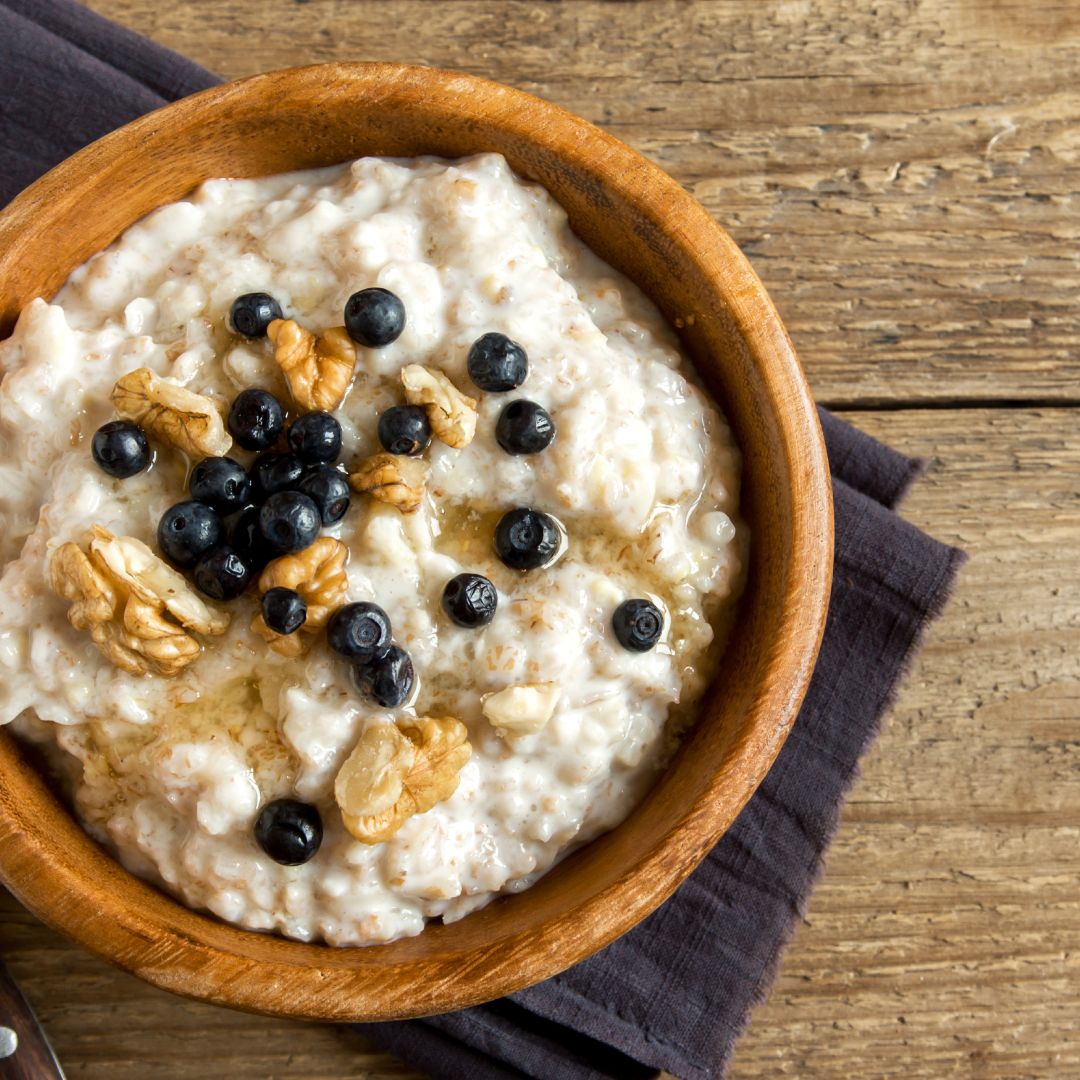
PCOS Power Porridge
A warm bowl of porridge can feel grounding and comforting on cold winter mornings, especially when the weather is icy and you need something nourishing before the day gets busy. For many people with PCOS, starting the day with a balanced breakfast that combines protein, fibre and healthy fats can help support steadier energy and appetite through the morning.
Traditional porridge made only with oats can sometimes lead to a sharper rise in blood sugar. This PCOS Power Porridge is a more balanced version that blends oats with flaxseed, chia and hemp seeds for added fibre and texture. It also includes a protein option that brings the meal to at least 30 g protein, which can help support fullness and reduce the likelihood of mid-morning energy dips.
Why this porridge works well for PCOS
Oats are naturally rich in beta glucans, a type of soluble fibre that slows digestion and supports a more gradual rise in blood glucose. When paired with additional fibre from seeds, healthy fats from nuts and a meaningful amount of protein, they create a breakfast that helps keep you satisfied and energised for longer.
For people managing PCOS, meals that combine fibre and protein can support more stable hunger patterns and make it easier to maintain balanced eating through the day. This recipe provides more than 10 g fibre and more than 30 g protein, all in a warm and comforting bowl.
Serves: 1
Dry ingredients
Protein options (choose one)
All options bring the recipe to at least 30 g protein.
Option A: Balanced and best tasting
Option B: Higher protein, no yoghurt
Option C: No protein powder
Liquid
Toppings
Method
Flavour variations
Blueberry and Lemon
Stir through frozen blueberries while cooking and finish with lemon zest.
Cocoa and Almond
Add a teaspoon of cocoa powder before cooking and top with chopped almonds.
Ginger and Pear
Add chopped pear and a little ground ginger for a warming winter flavour.
Serving suggestions and storage tips
Make ahead
Combine the dry ingredients in a jar so breakfast is quick to prepare on busy mornings.
Storage
Cooked porridge keeps for up to two days in the fridge. Add a splash of liquid when reheating.
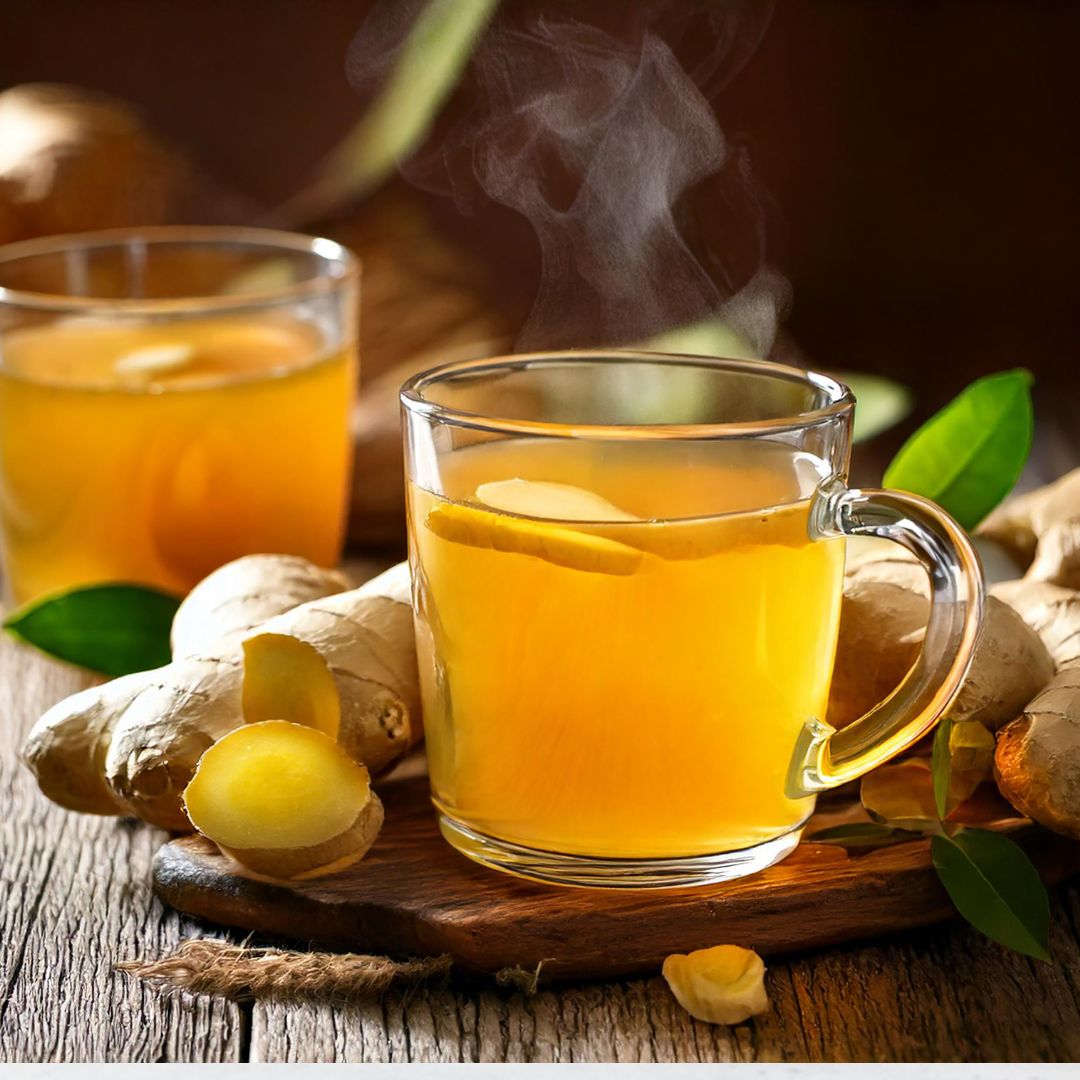
Warming Turmeric and Ginger Winter Tea
Turmeric and ginger have a long history of use in traditional cooking and herbal practices, but they also have a growing body of research supporting their role in inflammation, immunity and metabolic health.
Turmeric contains curcumin, a natural compound studied for its anti-inflammatory and antioxidant effects. Ginger contains gingerols and shogaols, which support digestion, circulation and immune balance.
For women with PCOS this combination can be particularly supportive. Chronic low-grade inflammation is a common feature of PCOS, and warming ingredients like turmeric and ginger may help calm inflammatory pathways while supporting winter immunity. Their gentle effects on digestion can also be helpful during colder months when heavier meals are more common.
This simple winter tea is an easy way to enjoy these benefits in a soothing, daily ritual.
Key ingredients for PCOS health
This recipe uses everyday ingredients that offer natural support for inflammation, hormone balance and immunity.
Fresh ginger
Supports digestion and may help regulate inflammation. It also adds gentle heat that feels comforting on winter days.
Ground or fresh turmeric
Provides curcumin, known for its antioxidant and anti-inflammatory effects. When combined with black pepper, absorption improves.
Lemon
Adds vitamin C and a fresh flavour. Vitamin C contributes to normal immune function.
Honey (optional)
Offers natural sweetness and antioxidants. A very small amount can make the tea more comforting without overwhelming blood sugar.
Black pepper
Enhances the absorption of curcumin and brings warmth to the drink.
These ingredients can be adjusted based on your taste and tolerance.
Ingredients:
Serves: 2
Method:
The result is a soothing golden tea that feels grounding, warming and supportive during the colder months.
Tips for making ahead and freezing
This recipe is easy to make in larger batches and store for later use.
This tea makes a nourishing addition to winter self-care and can complement your wider anti-inflammatory and PCOS-supportive habits.
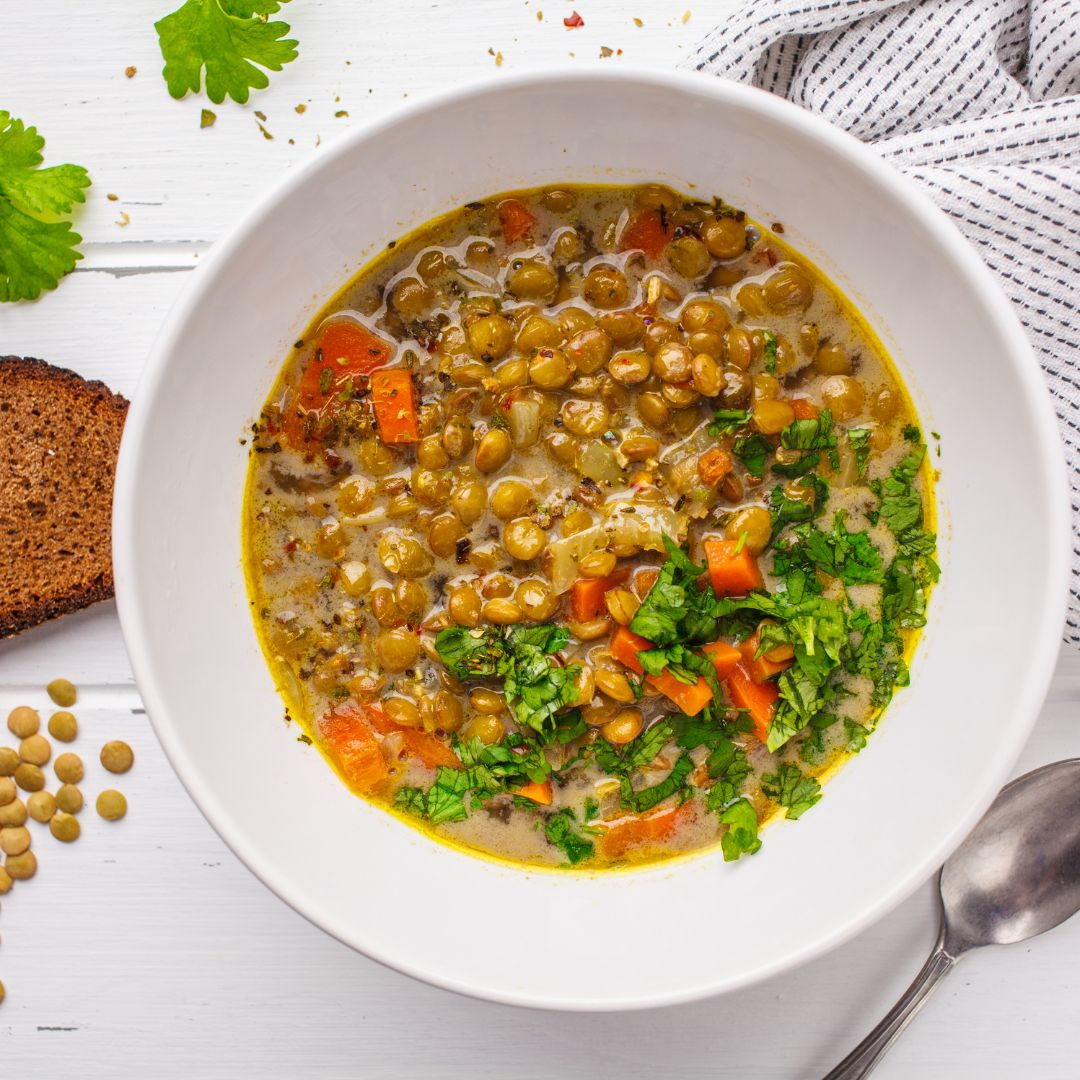
PCOS-Friendly Lentil and Spinach Stew
Many women with PCOS find that meals high in refined carbohydrate leave them hungry or craving sugar soon after. Building meals with protein, fibre, and low-GI carbohydrates helps slow glucose release and support steadier energy.
Pulses such as lentils are naturally low GI and high in fibre and protein, which can help moderate post-meal blood glucose.
Lentils
Plant protein plus soluble fibre slow carbohydrate absorption and support fullness. As a low-GI pulse, lentils are a useful base for blood-sugar-friendly meals.
Spinach
Very low in carbohydrate and a source of magnesium and folate, nutrients involved in energy metabolism and general health.
Onion and garlic
Add natural flavour. Emerging human research suggests garlic may improve some metabolic markers (glucose/insulin indices) in certain adult groups.
Tomatoes
Provide vitamin C and carotenoids such as lycopene, contributing to an overall nutrient-dense, plant-forward pattern.
Serves: 2–3
Ingredients
Method
Serving suggestions and variations
Get more blood sugar-friendly recipes by joining our free private Facebook group – PCOS Unlocked – or check the Recipes section of the blog.
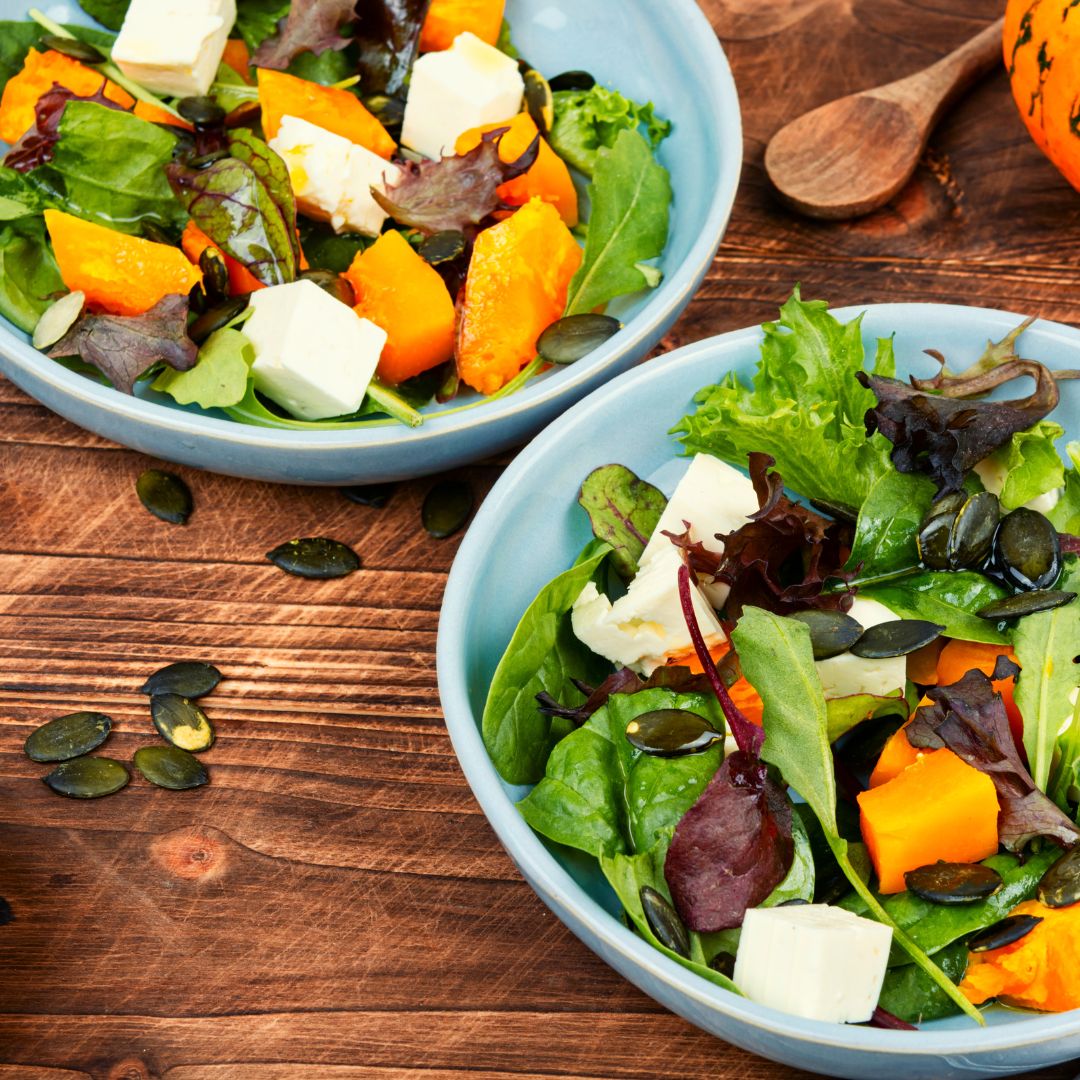
Autumn Nourish Bowl with Pumpkin, Quinoa, and Seeds
When autumn arrives, many of us look for food that feels comforting but still nourishing. This recipe combines roasted pumpkin with quinoa, greens, and seeds - and adds either salmon or tofu - to create a colourful bowl with around 30g protein per portion. The ingredients have been chosen to support healthy ovulation, hormone balance, and steady energy for women with PCOS.
Why this recipe supports ovulation in PCOS
Ovulation can be disrupted in PCOS due to hormonal imbalances, insulin resistance, and inflammation. While food is absolutely not a cure, balanced meals can provide the nutrients needed for healthier cycles.
This nourish bowl offers:
Key ingredients and their benefits for ovulation
Serves 2
Ingredients:
Protein option (choose one):
For the tahini dressing:
Method:
How to adapt this bowl for your needs
By building your bowl with a base of protein, fibre, healthy fats, and colourful vegetables, you’ll nourish your body and support healthy ovulation.
Want more practical recipe ideas to support healthy ovulation with PCOS? Book a consultation today for personalised nutrition guidance.







For any conditions other than PCOS, please feel free to be in touch with our sister clinic Alex Allan Nutrion
PCOS Clinics is part of the Green Leaf Company (London) Ltd, a limited company registered in England and Wales. Registered number: 10990293
Disclaimer: ‘Please note that nutritional therapy is not medical advice - this should always be sought from your doctor or other medical provider. We aim to work alongside your doctor or GP to provide nutritional and lifestyle advice to support any underlying imbalances.'
Website by Phuse Media - Web Design Southend
