
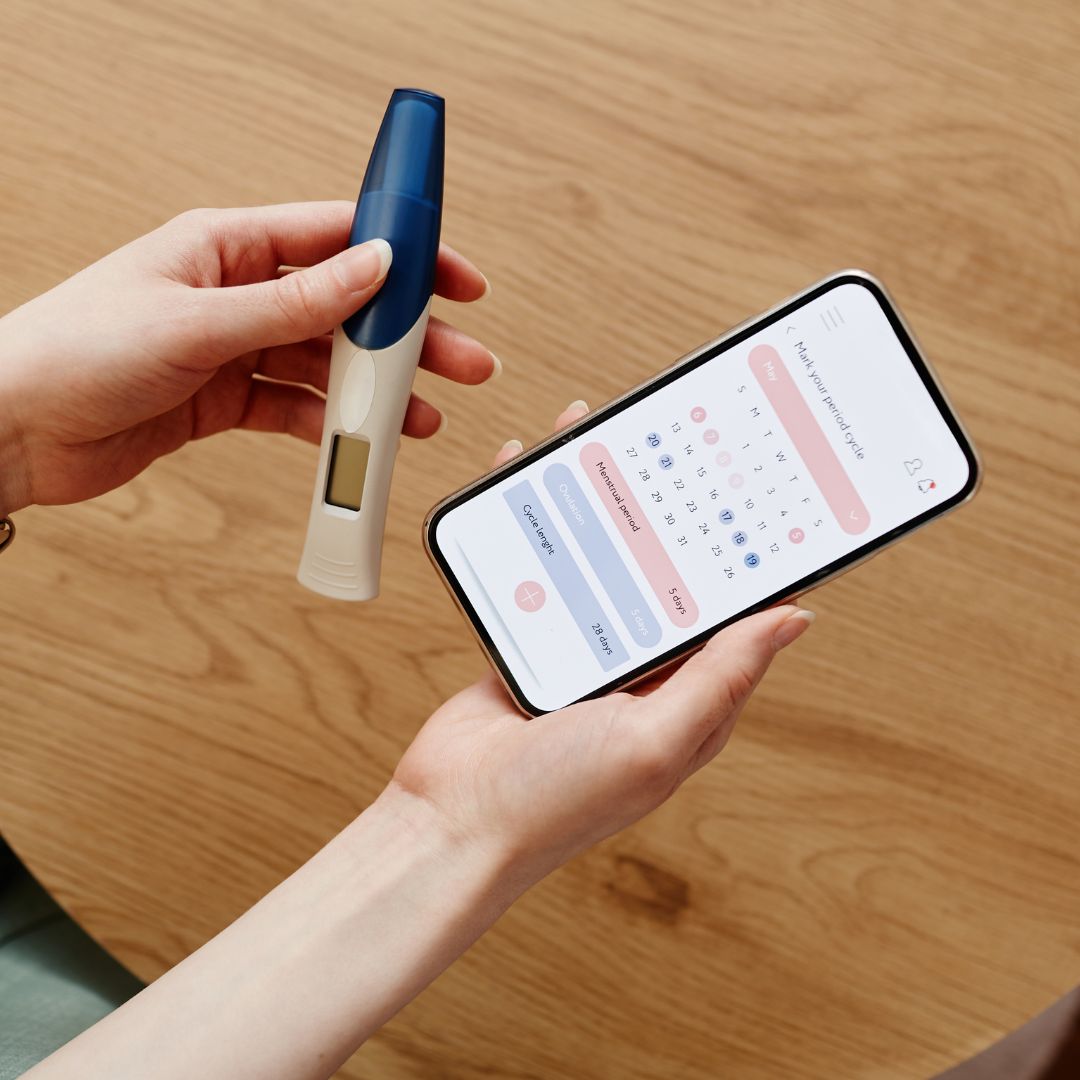
How to Track Your Cycle with PCOS: A Practical Guide
Many women with PCOS I work with describe feeling lost when it comes to their cycles. “My app says I should be ovulating today, but I haven’t had a period in months.” Others share with me the frustration they have of never seeing a positive ovulation test, despite trying month after month. Unfortunately these experiences are not unusual. Tracking cycles in PCOS is complex, and often the tools designed for “average” cycles just don’t work.
In this blog, we will look at why tracking feels confusing in PCOS, what you can track more reliably, and how wearable and digital fertility trackers fit into the picture.
Why cycle tracking feels confusing with PCOS
Most fertility awareness methods and apps are designed around the assumption of a 28-day cycle, with ovulation on day 14. For women with PCOS, cycles are often longer, shorter, or unpredictable, and ovulation may happen later, less frequently, or not at all. This makes standard predictions inaccurate.
There are also unique challenges:
This combination of irregular cycles, altered hormone levels, and inconsistent signals makes tracking with PCOS uniquely challenging — but not impossible.
How to track cervical mucus
Cervical mucus is one of the most useful signs of fertility. Rising oestrogen around ovulation makes mucus clearer, wetter, and more slippery. After ovulation, progesterone thickens mucus again. In PCOS, these patterns can be less predictable, but paying attention over time can still reveal valuable information.
Because hormone fluctuations in PCOS can produce mucus without actual ovulation, this method is not perfect, but it can still offer insight into your unique patterns.
How to track basal body temperature (BBT)
Basal body temperature can help confirm that ovulation has happened. Progesterone released after ovulation raises resting body temperature slightly.
BBT confirms ovulation after the fact but cannot predict it. It works best alongside other methods rather than on its own.
Journal your cycle
Keep a record of your cycle so you can find out what is happening for you. Consistency matters more than the format you choose. Options include:
The aim is to notice your patterns, not to fit your cycle into a textbook model.
Can new technologies help?
Wearable devices and fertility trackers are becoming increasingly popular. Many women use them already for sleep, fitness, or general wellbeing, but can they can also help with cycle tracking in PCOS?
Here is an overview of some of the options currently available. This is for information only (we are not affiliated with or endorsing any company, and this should not be taken as a product recommendation):
Emerging devices are also starting to measure saliva hormones or combine multiple parameters. While promising, most have not been thoroughly validated in women with PCOS.
The bottom line: Technology can be a helpful tool, but in PCOS it is best seen as an additional source of information rather than a standalone solution. Combining data from wearables with your own observations and professional support often provides the clearest picture.
When to seek professional support
If your tracking leaves you feeling more confused than informed, it may be time to seek support. In PCOS, ovulation is not always straightforward, and trying to decode apps or devices alone can feel overwhelming.
While cycle tracking can provide useful insights, it is not a diagnostic tool. If you have very infrequent periods (fewer than four per year), prolonged cycles (longer than 35–40 days), or symptoms that interfere significantly with your quality of life, medical assessment is important. Your GP or specialist can rule out other causes, offer medical investigations, and discuss options for managing PCOS. Nutrition and lifestyle support can work alongside medical care, but they are not a substitute for it.
Working with a qualified practitioner can help you interpret your data and understand what it means in the bigger picture of your health. If you are trying to conceive, fertility specialists can also advise on medical options when needed. Don’t hesitate to book a call with us if you’d like to talk further.
For more detail on how nutrition and lifestyle support ovulation in PCOS, see our article: Understanding Ovulation and Fertility Challenges in PCOS.
Please note, we do not endorse or sell any products mentioned. Devices should be chosen with professional guidance.

PCOS and Menopause
PCOS is often considered a long-term condition, and while symptoms can change over time, menopause does not necessarily make them disappear altogether.
In the UK, the average age of menopause — defined as 12 months without a period — is around 51. Research suggests that women with PCOS may experience menopause a little later, on average 2–4 years after women without PCOS. However, it can sometimes be harder to recognise perimenopause in women with PCOS, as irregular or missed cycles are already common.
How PCOS and menopause symptoms can overlap
Some of the changes associated with perimenopause can mirror PCOS symptoms, such as irregular cycles, weight gain around the middle, insulin resistance, or increased hair growth. Because oestrogen and progesterone naturally decline during perimenopause, women with PCOS — who may already have lower levels of these hormones — may find some symptoms feel more noticeable in the short term.
One potential positive is that androgen levels also tend to decline with age, and some women with PCOS may see improvements in acne, hirsutism, or even more regular cycles as they transition through perimenopause.
Research suggests hormone changes can bring about differences such as:
The bigger picture
Menopause does not “cure” PCOS, but hormonal changes during this life stage can shift which symptoms are more prominent. While ovulation naturally comes to an end (which resolves cycle-related symptoms), other aspects of PCOS may persist or evolve.
Continuing to focus on nutrition, movement, stress management, and lifestyle habits that support hormone balance and overall health can be valuable at this stage of life. It’s also important to keep up with regular GP health checks.
If you’d like to explore how nutrition and lifestyle support may help during PCOS and menopause, you’re welcome to book a free call with us.
Please note: we do not diagnose or treat PCOS or menopause. Nutrition and lifestyle support can complement medical care, but diagnosis and treatment should always be discussed with your GP.
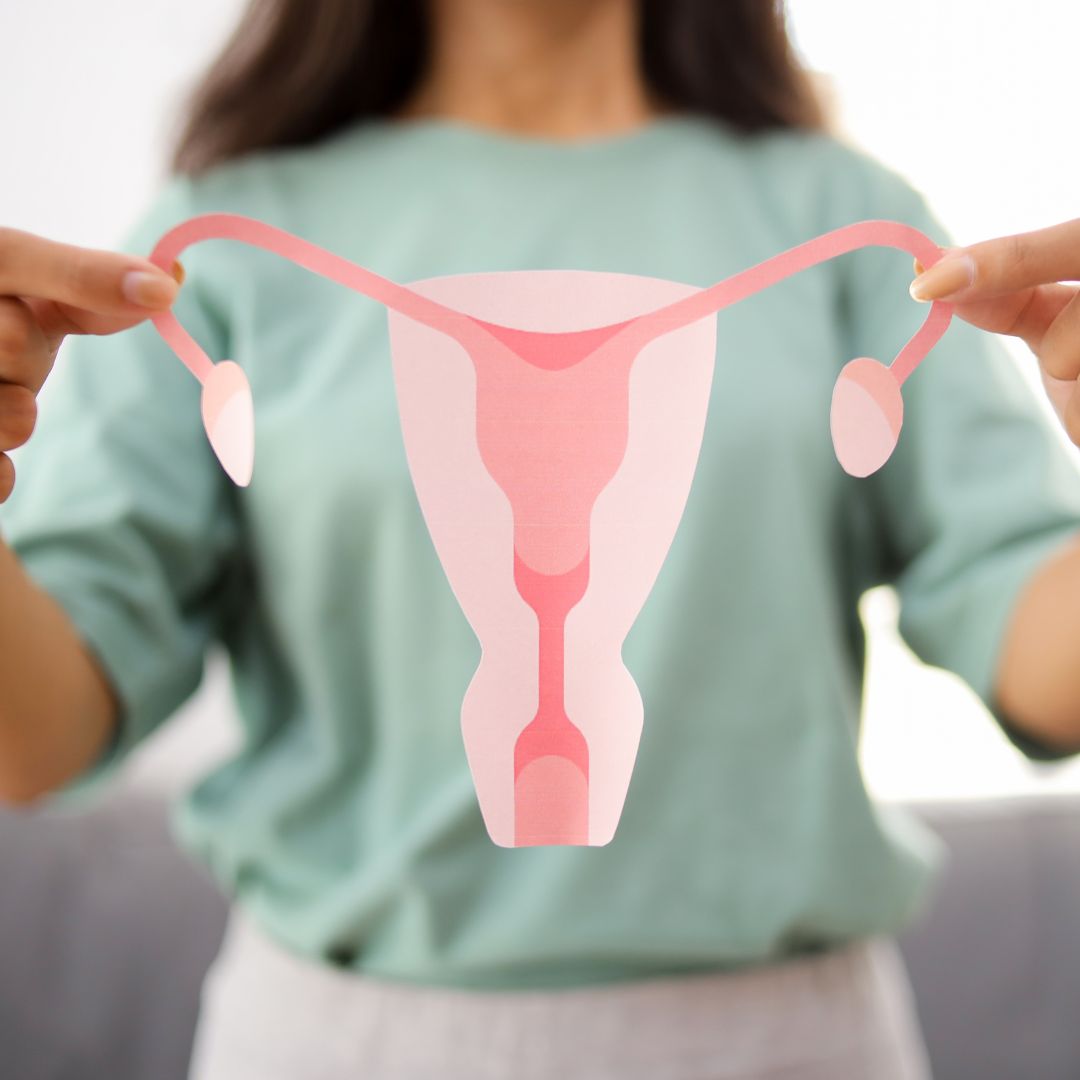
PCOS and Fertility
Polycystic Ovary Syndrome (PCOS) is one of the most common hormone-related conditions in women of reproductive age. In the UK, it is estimated to affect around 1 in 10 women. PCOS can be associated with irregular menstrual cycles and ovulation problems, which may make it more difficult to conceive.
The good news is that with appropriate medical support — and attention to lifestyle factors — many women with PCOS go on to conceive and have healthy pregnancies.
How PCOS may affect fertility
Support options for PCOS and fertility
Important considerations
The positive news
Although PCOS is often considered a long-term condition, it can be managed, and many women with PCOS do have healthy pregnancies.
If you’d like to explore how nutrition and lifestyle support may fit into your wider fertility journey, you’re welcome to book a free call with us at PCOS Clinics.
Please note: we do not diagnose or treat PCOS or fertility issues. Nutrition and lifestyle approaches can complement medical care, but diagnosis and treatment should always be discussed with your GP or fertility specialist.

PCOS in Teens
Polycystic Ovary Syndrome (PCOS) is one of the most common hormone-related conditions in women of reproductive age. In the UK, it is estimated to affect around 1 in 10 women.
While symptoms can start in the teenage years, diagnosing PCOS in adolescents is slightly different from in adults. Current guidelines recommend that for those under 20, doctors look mainly at hormone levels and irregular or absent periods. Ultrasound is not usually advised at this stage, as it has not been found to be reliable in younger women.
Guidelines also note that adolescents who have some features of PCOS, but do not meet the full criteria, may be considered at increased risk. Reassessment is recommended at or before full reproductive maturity (around eight years after starting their first period). This can include girls who had features of PCOS before starting the contraceptive pill, those with persisting symptoms, or those who have gained significant weight during adolescence.
Why early support matters
PCOS is often described as a long-term condition, and its symptoms — such as acne, excess hair growth, hair thinning, or weight changes — can be particularly difficult to cope with during the teenage years.
Although only a GP can make a diagnosis, starting conversations early about nutrition and lifestyle choices may help support overall health and wellbeing in teenagers showing features of PCOS. Parental and family support can also make a big difference in helping young people build positive long-term habits.
The mental health impact
Living with PCOS can sometimes affect mental wellbeing. Research suggests that anxiety, low mood, and depression may be more common in women with PCOS. For teenagers, who are already navigating a time of big changes and pressures, this additional emotional impact may be especially challenging. Supporting both physical and emotional health is therefore important.
Next steps
If you’d like to chat further, we have teen specialists here at our clinic, and we’d be happy to talk with you. Just book a call here.
Please note: we do not diagnose or treat PCOS. Anyone under the age of 16 must have a parent or guardian book and attend the call. Medical advice and diagnosis should always be sought from your GP.
5 Natural Ways to Support GLP 1 in PCOS
Not everyone with PCOS wants to take medication. GLP-1 receptor agonists such as semaglutide (Wegovy, Ozempic) and liraglutide (Saxenda) may help with weight loss and insulin resistance, but they are not the only way to influence the GLP-1 pathway.
The body naturally produces GLP-1 in response to food and gut signalling. This hormone helps regulate blood sugar, slow gastric emptying, and promote satiety – all functions that are sometimes disrupted in PCOS. So, it makes sense to explore how nutrition and lifestyle can enhance your body’s own GLP-1 production and responsiveness.
Here are five evidence-based strategies that may support GLP-1 naturally, and benefit PCOS symptoms in the process:
1. Include foods rich in soluble fibre
Soluble fibre slows digestion, helps to balance blood glucose, and supports your gut microbiome – which all in turn can help to enhance GLP-1 secretion. Soluble fibre also plays a role in improving insulin sensitivity and reducing circulating androgens (male hormones, like testosterone).
Good sources include oats, ground flaxseed, chia seeds, cooked apples and pears (with the skin), beans, lentils, avocado and carrots. Aim to include 10g soluble fibre food in your diet every day.
2. Don’t overlook eggs
Research shows that eggs are a source of bioactive peptides that appear to stimulate GLP-1 secretion. In a randomised crossover study, participants who ate eggs for breakfast had significantly higher GLP-1 levels post-meal compared to those who consumed cereal or a croissant-based meal.
Eggs also provide high-quality protein, choline and B vitamins – all of which support hormone balance, liver detoxification, and brain function.
If you don’t eat eggs, other protein sources like tofu, tempeh, fish and legumes may offer similar benefits, although their GLP-1 response has been less studied.
3. Try intermittent fasting – cautiously and mindfully
Time-restricted eating (such as a 10- or 12-hour eating window) may enhance GLP-1 sensitivity and improve insulin signalling. Several small studies suggest that intermittent fasting protocols can lead to increased GLP-1 levels and improved glycaemic control.
However, fasting isn’t suitable for everyone. In women with PCOS who are underweight, have disordered eating patterns, or experience blood sugar crashes, fasting may do more harm than good. It should be approached carefully and always personalised.
4. Incorporate bitter foods and herbs
Bitter compounds stimulate receptors in the gut and tongue that may increase GLP-1 secretion and slow gastric emptying. This includes foods like rocket, chicory, dandelion greens, grapefruit, endive, and radicchio.
Herbal bitters such as gentian and artichoke extract are also under investigation for their potential effects on satiety and post-meal glucose control, although more research is needed in women with PCOS specifically.
5. Support the gut microbiome
Short-chain fatty acids (SCFAs), produced by the fermentation of dietary fibre by gut bacteria, have been shown to stimulate GLP-1 release via interaction with intestinal receptors. A healthy and diverse microbiome may therefore play a central role in regulating GLP-1 naturally.
To support this, include a variety of prebiotic-rich foods (onion, garlic, leeks, asparagus, oats, flaxseed), fermented foods (sauerkraut, kefir, yoghurt, miso), and polyphenol-rich foods such as berries and green tea.
For women with PCOS who prefer a natural or food-first approach, there are several well-researched ways to support GLP-1 signalling without medication. These strategies may help with appetite regulation, insulin sensitivity and hormone balance – particularly when combined with a personalised nutrition plan. If you are interested in finding out more, why not book a free call with us here?
**This article is for general information only and is not intended to diagnose, treat or advise on medical conditions. Always speak to your GP or a qualified health professional before starting supplements or changing your medication. BANT-registered nutrition professionals do not diagnose or treat medical conditions, nor do they recommend, prescribe or alter any medication**
5 Top Nutrition Tips While Taking GLP-1 Agonists for PCOS
GLP-1 receptor agonists – including semaglutide (Wegovy, Ozempic) and liraglutide (Saxenda) – are growing in popularity among women with PCOS, particularly those who are struggling with insulin resistance and weight management. These medications mimic the body’s natural GLP-1 hormone, which helps regulate blood sugar, slow digestion, and reduce appetite.
While these effects can be beneficial, they also raise important questions about nutrition. With significantly reduced appetite, how can you ensure you’re getting enough nutrients to support energy, hormones and long-term health? And are there specific foods that can support how these medications work?
Here are some evidence-based strategies to help you stay well-nourished while taking GLP-1 agonists.
1. Prioritise protein – even if you're eating less
GLP-1 agonists can make it difficult to eat full meals. This can unintentionally lead to low protein intake, especially if you’re snacking or eating very small portions. However, protein is essential for preserving muscle mass, supporting metabolic rate, regulating blood sugar, and aiding hormone production.
Research suggests women with PCOS may benefit from a protein intake of around 1.2–1.6 g per kg of body weight per day. This is higher than the standard RNI, especially during periods of weight loss. If appetite is low, aim to include 20–30g of protein at each meal – even if the meal is small.
Easy protein-rich options include eggs, fish, Greek yoghurt, tofu, tempeh, pulses, lean poultry, and protein powders made from pea or whey.
2. Don’t forget fibre – especially the soluble kind
Soluble fibre supports digestion, blood sugar regulation and appetite control – all crucial for women with PCOS. It’s also known to stimulate the body’s own GLP-1 release, supporting the same pathway as the medications.
Sources include oats, flaxseed, chia seeds, apples, pears, cooked carrots, beans and lentils. If you’re struggling with volume, a tablespoon of ground flaxseed stirred into porridge, yoghurt or a smoothie is an easy way to increase soluble fibre without adding bulk.
Increased fibre intake is associated with improved insulin sensitivity and lower androgens in PCOS. It also supports gut microbiome diversity – an area increasingly linked with hormone regulation and mood.
3. Watch for micronutrient shortfalls
Reduced appetite and slower digestion can increase the risk of missing out on key vitamins and minerals. Early evidence suggests that long-term GLP-1 agonist use may impact the absorption of B12 and fat-soluble vitamins such as A, D, E and K – particularly in those with existing digestive issues.
Common nutrient deficiencies in PCOS include magnesium, vitamin D, iron, folate and B12. If you’re experiencing fatigue, mood changes or digestive discomfort while on medication, speak with your GP or nutritionist about testing or supplement support.
Eating smaller meals that are nutrient-dense – such as a quinoa salad with avocado and salmon, or a smoothie with spinach, berries and protein powder – can help you meet your needs more easily.
4. Hydration matters – especially with slower digestion
GLP-1 agonists slow the emptying of the stomach, which may increase bloating, nausea or constipation for some women. Staying well hydrated can support digestion and reduce discomfort.
Aim for at least 1.5–2 litres of water daily, and consider herbal teas such as ginger, peppermint or fennel to ease digestive symptoms. A small amount of lemon juice or apple cider vinegar before meals may also support stomach acid and enzyme release – although this should be avoided if you have reflux or gastritis.
If constipation becomes a concern, increasing both soluble fibre and fluid together is key.
5. Build in rest and nourishment – not just weight loss goals
It can be tempting to see rapid weight loss as the main goal while on a GLP-1 agonist. But from a Functional Medicine perspective, weight is only one part of a much bigger picture. Hormone balance, ovulation, stress resilience, gut health and sleep all play critical roles in PCOS outcomes.
Skipping meals, undereating or ignoring hunger signals (even if they’re rare) can leave the body undernourished and stressed – potentially worsening hormone imbalances over time. Wherever possible, choose foods that feel grounding, satisfying and nutrient-rich, even in small amounts.
Slowing down at mealtimes, chewing well and tuning into your body’s cues can also improve digestion and nutrient absorption.
GLP-1 receptor agonists may offer useful support for women with PCOS, particularly where insulin resistance is a key driver. But medications are most effective when paired with thoughtful, individualised nutrition. Prioritising protein, fibre and nutrient density – even in small portions – helps protect your long-term health and hormone balance. If you’re unsure where to start, speak to your GP or feel free to get in touch with us here.
**As always, this article is for educational purposes only and does not replace personalised medical advice. Nutritional therapists do not diagnose or treat medical conditions or recommend medications. If you’re unsure about your nutrition needs while on a GLP-1 agonist, please speak with your GP and a qualified nutritional therapist registered with BANT**




For any conditions other than PCOS, please feel free to be in touch with our sister clinic Alex Allan Nutrion
PCOS Clinics is part of the Green Leaf Company (London) Ltd, a limited company registered in England and Wales. Registered number: 10990293
Disclaimer: ‘Please note that nutritional therapy is not medical advice - this should always be sought from your doctor or other medical provider. We aim to work alongside your doctor or GP to provide nutritional and lifestyle advice to support any underlying imbalances.'
Website by Phuse Media - Web Design Southend
