
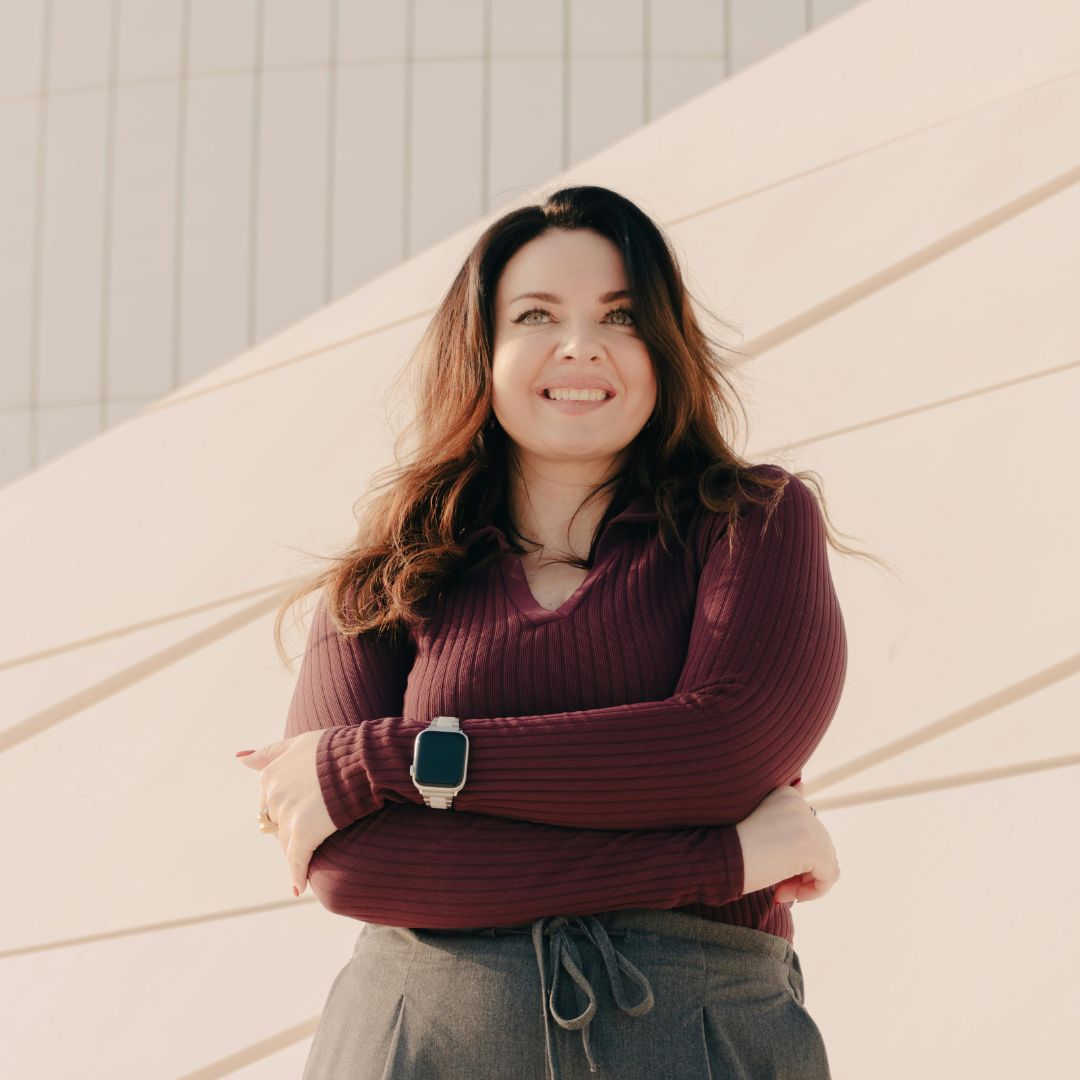
Body Image, Confidence and PCOS: A Holistic Approach
Key Takeaways
Body image can be one of the most challenging aspects of living with PCOS.
Changes in weight, skin, hair growth, and energy levels can all impact how we feel in our bodies. Alongside this, many of us with PCOS have spent years trying different diets, often with limited or short-term results, which can lead to frustration, self-doubt, and a loss of confidence.
It is important to acknowledge that these feelings are not superficial. They are shaped by both the physical realities of PCOS and the wider pressures around appearance, health, and body expectations. And never more so that in the current climate. So, supporting our body image with PCOS requires a holistic approach, one that considers not only nutrition, but also mindset, habits, and – probably most importantly - self-compassion.
Why PCOS Impacts Body Image
PCOS affects multiple systems in the body, many of which can influence both appearance and self-perception.
Hormonal imbalances, particularly high androgens, can contribute to symptoms such as acne, hair thinning, or excess hair growth. Insulin resistance can make weight management more challenging, even when following dietary advice that may work for others. These changes often feel unpredictable and, at times, outside of your control.
Research has shown that individuals with PCOS are more likely to experience body dissatisfaction and reduced quality of life compared to those without the condition. This is not only due to physical symptoms, but also the emotional burden of managing a long-term condition.
Over time, repeated attempts to “fix” these symptoms through restrictive dieting can further impact self-esteem and body image.
It is therefore super important to try and shift the focus away from blame, and towards understanding the underlying drivers and supporting the body in a more sustainable way.
Moving Away from Diet Culture
Many of us with PCOS have been exposed to conflicting and often restrictive dietary advice.
Messages that focus on cutting out entire food groups, drastically reducing calories, or following rigid rules may initially feel like a solution. However, these approaches are often difficult to maintain and can contribute to cycles of restriction, cravings, and overeating.
From a physiological perspective, restrictive eating can also have unintended consequences. Under-fuelling may affect energy levels, mood, and hormonal balance, while irregular eating patterns can contribute to blood sugar instability, which may increase cravings and emotional eating behaviours.
Psychologically, diet culture can reinforce the belief that your body needs to be controlled or “fixed,” rather than supported. This can lead to feelings of guilt around food and a disconnection from hunger and fullness cues.
Moving away from this approach does not mean ignoring health. Instead, it involves shifting towards behaviours that are sustainable, flexible, and supportive of both physical and emotional wellbeing.
Rebuilding Trust in Food and Body
Rebuilding trust takes time, particularly if your relationship with food has been shaped by years of dieting or conflicting advice.
A helpful starting point is to focus on consistent nourishment.
Eating regular, balanced meals can help stabilise blood sugar, support energy levels, and reduce the likelihood of intense cravings or emotional eating. Including protein, fibre-rich carbohydrates, and healthy fats at meals provides both physical and psychological reassurance that your body is being adequately fuelled.
Over time, this consistency can help reduce the urgency around food and support a more settled relationship with eating.
It is also important to approach food with flexibility rather than rigidity.
Allowing a range of foods, rather than categorising them as “good” or “bad,” can help reduce feelings of guilt and support a more balanced approach. This is particularly important in PCOS, where overly restrictive patterns can often backfire.
Alongside nutrition, self-awareness and compassion play a key role.
Emotional eating is often linked to stress, fatigue, or unmet emotional needs, rather than a lack of discipline. Recognising these patterns without judgement can help create space for more supportive responses.
For example, asking what you need in that moment, whether that is rest, nourishment, or support, can be more helpful than focusing solely on the food itself.
It can also be helpful to consider the wider picture of wellbeing.
Sleep, stress management, movement, and social support all influence how you feel in your body. Nutrition works best when it is part of this broader, holistic approach.
Finally, confidence in PCOS is not built through achieving a specific outcome, but through developing trust in your ability to care for your body consistently.
This might look like:
These shifts may feel small, but over time they can have a meaningful impact on both physical and emotional wellbeing.
Living with PCOS can be challenging, particularly when it affects how you feel in your own body. A holistic, compassionate approach can help you move away from cycles of restriction and towards a more supportive and sustainable way of eating and living.
If you are struggling with binge eating or feel that your relationship with food is becoming difficult to manage, it is important to know that support is available.
In the UK, organisations such as Beat Eating Disorders provide confidential helplines, online support, and guidance for both individuals and their families. You may also wish to speak with your GP, who can help you access appropriate NHS services, including specialist eating disorder support where needed.
At PCOS Clinics, we recognise that disordered eating patterns, including binge eating, can be closely linked to PCOS, particularly where there is a history of restrictive dieting, blood sugar instability, or body image concerns. We have a practitioner within our team who is specifically trained in supporting individuals with these challenges, using a compassionate, non-restrictive and evidence-based approach.
If this is something you are experiencing, you are not alone, and support is available.



For any conditions other than PCOS, please feel free to be in touch with our sister clinic Alex Allan Nutrion
PCOS Clinics is part of the Green Leaf Company (London) Ltd, a limited company registered in England and Wales. Registered number: 10990293
Disclaimer: ‘Please note that nutritional therapy is not medical advice - this should always be sought from your doctor or other medical provider. We aim to work alongside your doctor or GP to provide nutritional and lifestyle advice to support any underlying imbalances.'
Website by Phuse Media - Web Design Southend
