
What No One Explains About Fibre and PCOS
Fibre is one of the most frequently recommended nutrients in PCOS, yet it is also one of the most misunderstood. Many women are told to “eat more fibre” without clear guidance on how much, what type, or how to increase intake without triggering bloating or discomfort. For those already experiencing IBS-type symptoms, this advice can feel frustrating rather than helpful.
From a clinical perspective, fibre is not simply about bowel regularity. It plays a central role in gut microbiome balance, insulin sensitivity, inflammation and hormone metabolism. These are all core features of PCOS. When fibre intake is too low, it becomes more difficult to support stable blood glucose levels, beneficial gut bacteria and efficient hormone clearance. When fibre is increased too quickly or in the wrong form, digestive symptoms may worsen. The key is a gradual, personalised and physiologically informed approach.
Why Fibre Matters in PCOS
Most adults in the UK consume significantly less fibre than they should. National dietary surveys consistently show average intakes well below the 30g per day advised. This gap is particularly relevant in PCOS, where metabolic regulation and inflammation are already under strain.
Fibre influences PCOS for several reasons. One of the most important is its effect on blood glucose regulation. Soluble fibres slow gastric emptying and carbohydrate absorption, leading to a steadier rise in blood glucose and insulin after meals. Because insulin resistance is common in PCOS, this stabilising effect is clinically meaningful rather than theoretical.
Fibre also acts as the primary fuel source for beneficial gut bacteria. When microbes ferment fermentable fibres, they produce special chemicals called short-chain fatty acids such as butyrate, propionate and acetate. These compounds support the gut lining, influence immune activity and improve insulin sensitivity. Emerging research in PCOS highlights altered microbial composition and reduced diversity in the gut of many women with the condition, alongside links to both inflammation and metabolic dysfunction. Supporting fibre intake is therefore an easy way to influence the gut–hormone axis discussed in our previous article on how gut health can influence PCOS symptoms.
Hormone metabolism provides another important connection. Certain fibres can bind to oestrogen metabolites in the digestive tract and support their clearance, helping maintain balanced circulation of hormones. While PCOS is primarily associated with elevated androgens rather than excess oestrogen, hormone systems remain closely interconnected. Nutritional strategies that support liver and gut clearance pathways may therefore contribute to overall hormonal balance.
Beyond physiology, fibre intake also affects satiety and appetite regulation. Meals that contain adequate fibre alongside protein and healthy fats tend to promote fullness for longer and reduce rapid energy dips. Clinically, this can help with cravings, evening overeating and inconsistent energy patterns that many women with PCOS describe.
Gentle Ways to Increase Fibre Without Worsening Symptoms
Although fibre is beneficial, the way it is introduced matters a lot, particularly for those with bloating or IBS-type symptoms. A sudden jump from a low-fibre diet to high intakes of bran cereals, large salads or multiple fibre supplements often leads to discomfort, bloating or really bad wind. This does not mean fibre is not suitable - it usually means the pace or type needs adjusting.
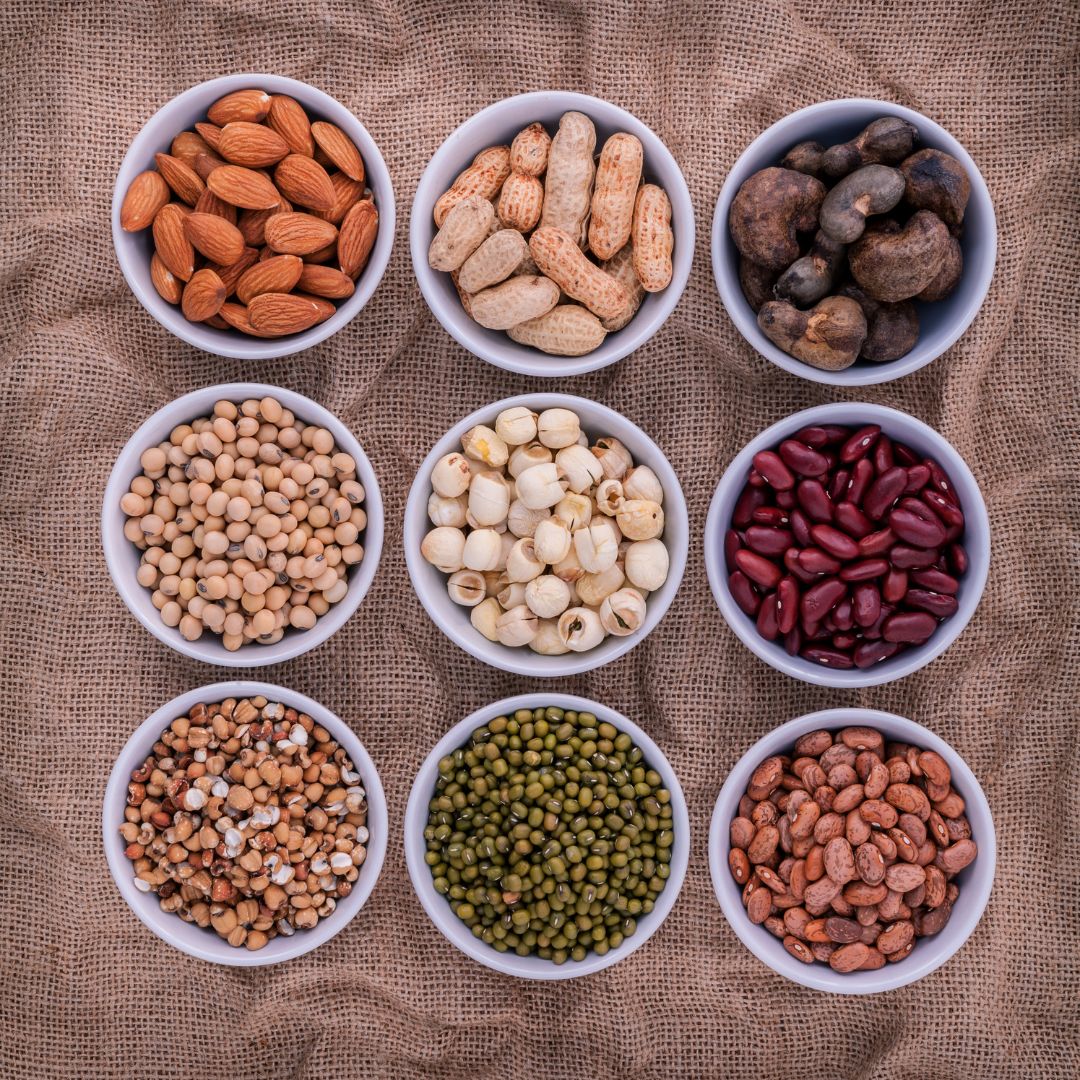
A gentler strategy begins with soluble, well-tolerated fibres. Foods such as oats, chia seeds, ground flaxseed, cooked root vegetables, berries and lentils that are properly soaked or prepared tend to be easier on digestion than large amounts of raw vegetables or coarse wheat bran. Cooking, soaking and blending can all improve tolerance by partially breaking down plant cell walls.
Portion size is equally important. Increasing fibre by a small amount every few days allows the gut microbiome time to adapt. This gradual approach is supported by research showing that microbial fermentation patterns shift over time in response to dietary change. In practice, this might mean adding one tablespoon of seeds to breakfast, including an extra serving of vegetables at one meal, or swapping refined grains for higher-fibre alternatives rather than changing everything at once.
Hydration is another often overlooked factor. Fibre absorbs water as it moves through the digestive tract. Without adequate fluid intake, increasing fibre may worsen constipation or bloating rather than relieve it. Supporting hydration throughout the day helps fibre perform its intended function and also contributes to appetite regulation and metabolic stability.
For some women with significant IBS symptoms, personalised guidance is particularly valuable. Conditions such as visceral hypersensitivity (where you have a lot of gut pain), altered gut motility or previous restrictive diets can all influence fibre tolerance. In these situations, a structured and supportive approach is more effective than generic advice to simply “eat more plants”.
Bringing Fibre into Everyday PCOS Eating
One of the most helpful ways to think about fibre is not as an isolated nutrient but as part of an overall meal structure. Balanced meals that include protein, colour from plant foods, healthy fats and slow-release carbs naturally provide fibre without requiring a lot of tricky tracking. Over time, this pattern supports the microbiome, stabilises energy and aligns with long-term PCOS management rather than short-term dietary rules.
Consistency matters more than perfection. Small daily increases in fibre-rich whole foods are more beneficial than occasional very high-fibre days followed by restriction. This steady approach is also more realistic within busy routines and family life, making it easier to sustain.
If you would like practical inspiration, you can explore our collection of PCOS-friendly recipes designed to support balanced blood sugar and digestive health. For a deeper understanding of the connection between digestion and hormones, you may also find it helpful to read our recent article explaining the gut–hormone axis in PCOS. Or feel free to book in a call to discuss further.
This article is for educational purposes only and is not intended to diagnose or treat medical conditions. Nutritional therapy does not replace medical care. If you have persistent digestive symptoms or concerns about your health, please consult your GP or qualified healthcare professional.
Why Gut Health Matters in PCOS
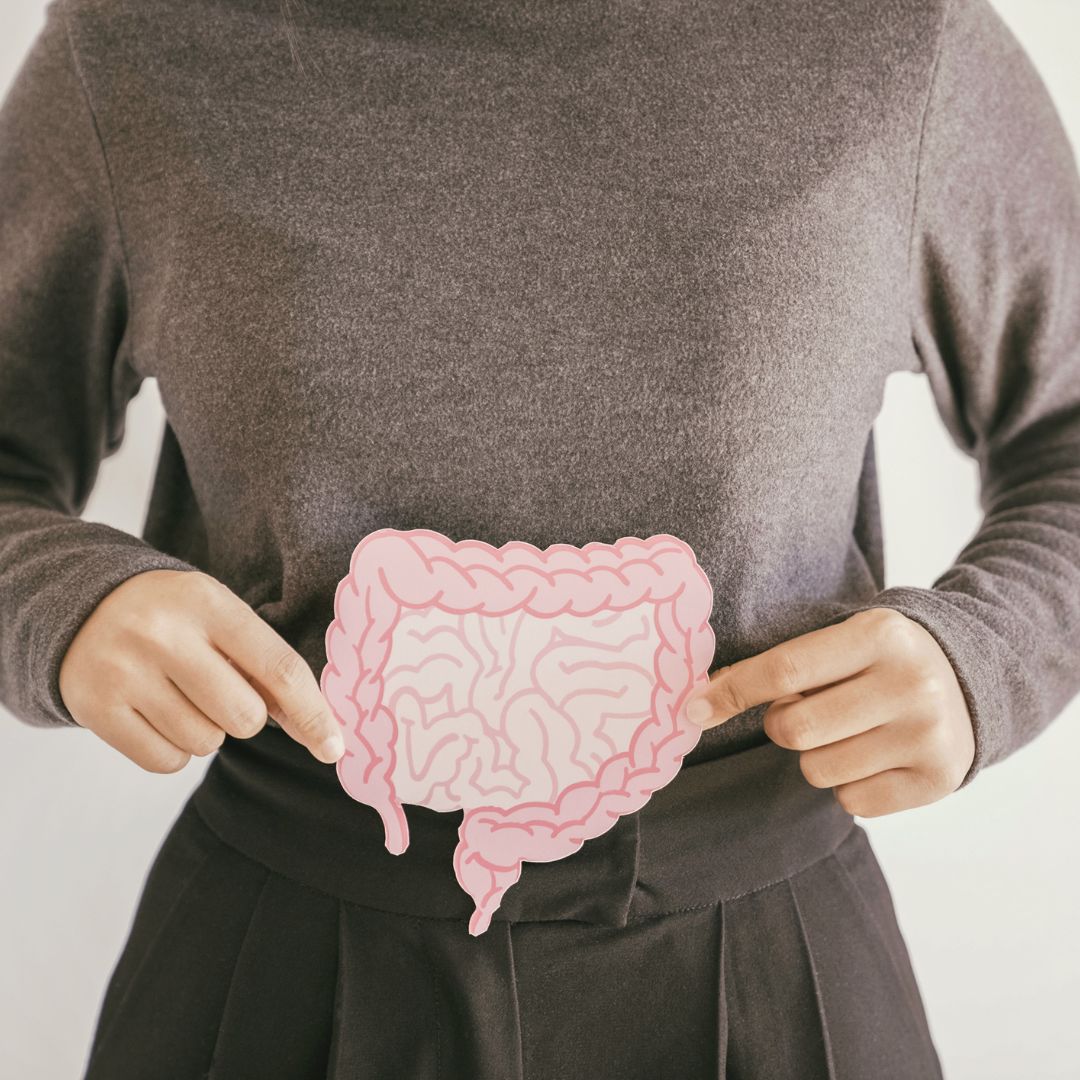
If you are already dealing with PCOS and then you feel as if your digestion has become a second diagnosis, you are not imagining the link. Bloating, abdominal discomfort, constipation, diarrhoea, reflux and a sense that your gut is “reacting to everything” are common reasons our PCOS clients ask us for support. And research backs this up - a 2023 systematic review and meta-analysis found that women with PCOS had more than double the odds of IBS compared with controls.
What is often missed in day-to-day healthcare is that gut symptoms are not just a quality-of-life issue. Digestive function impacts our hormone balance, can significantly affect inflammation, and it can mess with our metabolic health that influence how PCOS shows up in the body. This is the gut–hormone axis in action.
Remember: the gut is not just where food is processed. It is also where signalling molecules are made, where immune activity is regulated, and where hormone metabolism is influenced. That makes gut health especially relevant to PCOS, even if your main symptoms are acne, irregular cycles, unexplained weight gain, cravings or mood rather than gut symptoms.
Alongside this, a growing body of microbiome research suggests that women with PCOS often have measurable differences in gut microbial patterns compared with women without PCOS. A 2025 systematic review analysing human and animal studies reported that, across human studies assessing diversity, around two-thirds reported reduced gut microbial diversity in PCOS. What that means is we have far fewer types of bacteria in our guts – and this can have a knock-on effect on our health. A further study also supported consistent differences in gut microbiota patterns in PCOS across different population types, reinforcing that this is not limited to one country, diet pattern or body size.
Microbiome research is still evolving, and it is not yet at the stage where we can run one stool test and “solve” PCOS. But the direction is clear enough to matter clinically: gut health is part of the hormonal picture.
How the Gut Communicates with Hormones
The gut communicates with the rest of the body through multiple overlapping pathways, and PCOS touches many of them at once. Three are particularly important in clinical practice: inflammation, insulin signalling, and gut-derived metabolites (that’s chemicals made by the bugs in our gut).
It is good to note that the gut is one of the largest surface areas open to the world (remember it’s open at both ends…), and that means our immune system has to keep watch over its comings and goings. This means around 70-80% of immune system resides in our gut, acting a bit like border patrol. When the intestinal barrier is under strain, or when microbial balance shifts (often referred to as dysbiosis), inflammatory signalling can increase. Low-grade inflammation is a recognised feature in many women with PCOS, and it can increase patterns of insulin resistance and ovarian androgen production. The clinical pattern is familiar: worsening bloating and bowel changes alongside flares in fatigue, cravings, skin breakouts, or cycle disruption.
Second, the gut plays a direct role in metabolic regulation. This matters because insulin resistance is common in PCOS, even in women who are not in larger bodies. The microbiome influences glucose regulation through its effects on energy harvest, gut permeability, inflammatory tone and signalling molecules. Recent research looks at the intersection between hyperandrogenism (high levels of ‘male’ hormones), metabolic dysfunction (blood sugar imbalances), and gut dysbiosis, including evidence from both human and animal models.
Finally, our gut microbes are little biochemical factories. When we eat dietary fibre, our gut bacteria ferment them into special chemicals called short-chain fatty acids (SCFAs), including acetate, propionate and butyrate. These compounds feed the gut lining. And they also act as signalling molecules, influencing how sensitive we are to insulin, regulating our appetite, helping with gut motility (constipation anyone?), and organising immune function. SCFAs have been repeatedly highlighted in recent PCOS literature as one of the plausible links between diet, microbes and metabolic-hormonal outcomes.
This is one reason fibre recommendations can feel confusing in PCOS. Fibre is not simply about having “regular bowels”. The type, dose and tolerance matter, and for some women with IBS symptoms, a sudden fibre increase can actually worsen bloating to begin with. A more sensible approach is to build slowly and strategically rather than aiming for perfection overnight.
The Microbiome, Oestrogen and Androgens
Hormones are not only made and used. They are also processed, transformed and cleared. The gut microbiome plays an active role in this, particularly through enzymes that affect ‘enterohepatic recycling’, where the body clears or doesn’t clear used chemicals, like hormones.
A key concept here is the oestrobolome, which refers to the bugs in our gut which are involved in oestrogen metabolism. Ideally our body cleverly packages oestrogen (and other hormones) into bile for excretion via our stool. If our gut has a lot of microbes that produce an enzyme called betaglucuronidase, that can then un-package those hormones, influencing whether they are excreted or reabsorbed. This can mean that the gut bacteria are causing us to have more active hormones in circulation than we want – adding to our hormone imbalance and symptoms.
PCOS is not classically defined by “high oestrogen” in the way some people online suggest. However, oestrogen metabolism still matters because hormonal systems are interlinked. The ovaries, liver, gut and adipose tissue are in constant conversation. When gut function is compromised, it can add friction into that system, particularly around inflammatory signalling and metabolic control.
Androgens are central in PCOS, and the relationship between androgens and the microbiome appears to be bidirectional. Research shows that hyperandrogenism (or high levels of ‘male’ hormones) is associated with gut microbial changes, and animal studies suggest that transferring microbiota from female mice with PCOS can induce PCOS-like features, highlighting a potential role rather than a simple association.
Signs Gut Health May Be Affecting Your PCOS
Not every woman with PCOS has gut symptoms. Equally, you can have significant gut-driven effects without textbook IBS. In practice, we pay attention to gut involvement when a woman with PCOS describes patterns like persistent bloating, pain after meals, unpredictable bowel habits, increased food reactivity, or a sense that symptoms flare with stress.
It can also show up more subtly, such as energy dips and intense carbohydrate cravings after meals, skin flares alongside digestive upset, or difficulty progressing with PCOS goals despite doing “all the right things”. These patterns do not prove that the microbiome is the root cause, but they are often a sign that the digestive system deserves a proper, personalised look rather than another generic PCOS meal plan.
For many women, the confusion comes from conflicting gut advice online. One week it is “eat more fibre”, the next it is “avoid fibre because it feeds SIBO”, then it is “take probiotics”, followed by “probiotics make it worse”. The reality is that gut support is rarely one-size-fits-all. IBS symptoms can overlap with PCOS, but they can also reflect dysbiosis, stress-related gut-brain axis activation, bile acid issues, medication effects, poor meal timing, inadequate chewing and rushed eating, or simply increasing fibre too quickly.
Hydration is a good example of a basic factor that is often overlooked. Adequate fluid intake supports bowel motility and stool consistency, and it also helps fibre do its job properly. In PCOS, hydration tends to be discussed mainly in the context of weight, but clinically it matters for digestion, appetite signalling and maintaining steady energy through the day.
If you are struggling with bloating and bowel changes alongside PCOS symptoms, it can be reassuring to know there is a physiological explanation. The goal is not to “fix your gut” with a supplement trend. The goal is to support gut function in a way that improves how your body handles inflammation, blood sugar regulation and hormone metabolism.
If you would like to explore this topic further, you can read more about how gut health can influence PCOS symptoms in our previous article on gut health and PCOS.
If you are looking for personalised guidance, you can also learn more about nutritional therapy support for PCOS through our clinic services – just click here.
This article is for educational purposes only and does not diagnose or treat medical conditions. As a nutritional therapy clinic, we do not advise on medications. If you have persistent digestive symptoms, unexplained weight loss, blood in stools, severe pain, or symptoms that are worsening, please speak to your GP to rule out underlying medical causes.

Fix Your Digestion Naturally
There are few things worse than tummy troubles. If your digestive system doesn’t work as it should, the result might be pain or discomfort right through to downright embarrassment at the gurgly noises and bad smells your body produces. And this can be doubly annoying if it is also exacerbating your symptoms of IBS.
It doesn’t have to be that way and, as a nutrition practitioner, I am always amazed by how long some of my clients have been trying to muddle through before they seek my help.
What scientists now call the ‘microbiome’ is a parallel universe of all kinds of different microorganisms running all through your digestive tract, that runs from your mouth to… well, the other end.
Most of these organisms are bacteria, and there are lots more of these than there are cells in your body - about ten times as many. The balance of the bacteria in your digestive system has implications for your health in general and not just your innards. In short, it’s important to have the right kinds of bacteria in the right places. It matters that the ratio of good to bad bacteria works – when you’re out of balance (there are more unfavourable bacteria and other microorganisms) nutritionists call this ‘dysbiosis’.
Dysbiosis can result in your digestive system becoming a more favourable environment for yeasts like candida or parasites. There are some places you don’t really want many bacteria, whether good or bad, like in the small intestine. Your body really should do a daily swoosh of all bacteria from the small intestine down to the colon (it's called the Migrating Motor Complex).
There are many reasons why this might happen – like having had food poisoning in the past – and the result is that the bacteria left behind feast on the food you’re eating, causing bloating, wind, feelings of nausea, diarrhoea and constipation (or a combination of the two). Essentially, all those things you might be linking to your irritable bowel syndrome (IBS).
I’m going to be straight with you and say that the ideal situation is that you bring your digestive problems to me, and that we talk about getting to the bottom (excuse the pun) of exactly why your system isn’t working the way it should, and this usually involves some testing. When you’re ready to prioritise your health, you know where I am.
In the meantime, here are my top 5 tips to help to fix your digestion
The first step in the digestive process is often overlooked but it's a really important one. Known as the cephalic phase, it’s triggered when you see or smell food. You are literally whetting your appetite. When you start thinking about the lovely meal you are going to prepare, you are getting your digestive juices flowing. The enzymes in your saliva help you break down your food more easily so, when the time comes, your body is actually ready to start digesting food before you have even cut the first slice – never mind actually putting anything in your mouth.
It may sound an incredibly simple step – and it is – but these days we are often so busy that we don’t make the time to think about our food in this way. If you find you're always eating on the go, throwing a sandwich down your neck at your desk or having a TV dinner, this is a vital step you are missing out on. One trick is to be mindful and try and spend a few minutes thinking about your tasty lunch before you eat it to get the digestive juices going.
Your stomach does not have teeth! Chewing your food is the second phase of digestion, and it’s key when it comes to good gut health. With proper chewing, you are mechanically breaking down the food into smaller pieces, so that there’s a greater surface area and the digestive enzymes can get to work more easily, doing their job. And the bad news?
If you’re not chewing properly, it’s highly likely that you’re not digesting your food properly. And that means you won’t be absorbing vital nutrients either. Not chewing also means the food you eat takes much longer to break down and, as it hangs around in your digestive system, it can start to ferment, causing uncomfortable wind, gas and bloating. Don’t worry about chewing a certain number of times – that all depends on what you are eating and various other factors.
Instead try this test: chew your food enough so that if someone asked you to spit it out, they wouldn’t know what you had been eating. Another sign you need to chew more is if you start to see undigested food in your stools.
Sales for heartburn tablets are skyrocketing because so many people wrongly assume that their digestive troubles are because of too much stomach acid. What nutritionists like me find more frequently in the clinic is the total opposite! Getting older, stress and some over-the-counter medications can make your stomach acid levels drop to the extent that you don’t produce enough to digest food sufficiently.
Why is this important? The stomach acid you produce not only kills any bacteria in the food you are eating, but it also breaks down the protein in your meal. If you’re not properly digesting the protein element in food, it can start to ferment, creating gases that force up the oesophagal sphincter muscle (a type of muscle flap) and what little stomach acid there is can escape. So that burning feeling, especially if accompanied by smelly gas, can be a sign your digestion isn’t working as well as it should be.
One solution is to have a teaspoon of apple cider vinegar before each main meal. It’s important you choose apple cider vinegar with the ‘mother’ rather than one you can buy in the supermarket (that’s for your chips).
There are people who genuinely produce too much stomach acid and, if you try the apple cider vinegar trick and it seems to make things worse, you can neutralise the acid by taking a little bicarbonate of soda.
Digestive enzymes break down your food into nutrients so your body can absorb them. But as you age, you naturally produce fewer of these helpful enzymes. You can counteract this by increasing your intake of foods that are higher in them – eating pineapple or papaya before a meal can help.
If you aren’t a fan of these fruits, instead try a digestive enzyme capsule (available from health food shops), which will give your system a gentle boost to help it do its job properly.
Not eating is almost as important for your health as eating. It’s important to space out your meals so the digestive system actually gets a chance to rest. This might require some self-discipline if you’re a frequent grazer.
Eating every 4-6 hours is a good benchmark to aim for and gives the body enough time to completely digest the previous meal and have a break before you put it to work again.
Of course, there will be days when your eating routine falls out of whack, but don’t beat yourself up. Just try and get back on track the following day.
And if you would like some help working out *why* you have these symptoms, why not get in touch? You can book a free call here.

The Link Between PCOS and IBS
PCOS is an endocrine (or hormonal) disorder, whereas IBS or Irritable Bowel Syndrome is a gastrointestinal disorder meaning it affects our gut health and digestion. It is generally given as a diagnosis of exclusion, where conditions like Crohn’s disease, ulcerative colitis and coeliac disease have been eliminated. It is thought to affect 1 in 5 people in the UK. Symptoms include Typical IBS symptoms include abdominal pain, diarrhoea and/or constipation, bloating, wind, indigestion, mucous.
If you have PCOS, you may also experience symptoms of IBS. Here are potential reasons behind the association, according to research:
High levels of hormones
PCOS is marked by overly high levels of luteinising hormone (LH) and follicle-stimulating hormone (FSH), which are there to stimulate ovulation. Not only are excess levels of these hormones indicative of PCOS, but they can also lead to symptoms of IBS. Research shows that high levels of LH and FSH can cause slow transit of food in the digestive tract, leading to constipation.
Being female
Studies show that far more women suffer with IBS than men. Therefore, being a woman may increase your chance for having both conditions.
Although it isn’t entirely clear why IBS is more common in women, it’s thought to be related to sex hormones. Oestrogen and progesterone may slow down intestinal muscle contractions leading to constipation. Plus, hormone fluctuations during menstruation can lead to fast transit, which can cause diarrhoea.
Inflammation
Inflammation is a common driver of PCOS symptoms – and it is a common driver of IBS.
Inflammation plays a role in the development of IBS. This includes inflammation of the mucosal gut lining, as well as neuroinflammation via the gut-brain axis The gut-brain axis is the neuronal system that connects your brain and gut.
Stress
Stress is another drive of PCOS, as we have seen.
Strong emotions like stress, anxiety, and depression trigger chemicals in the brain that turn on pain signals in your gut that may cause your colon to react. Stress and anxiety may make the mind more aware of spasms in the colon. IBS may be triggered by the immune system, which is affected by stress.
Alterations to the gut microbiome
We have around 2kgs of bacteria in our large intestine called our gut microbiome. These bacteria help with our immune tolerance, create special chemicals to feed our gut lining, help make vitamins and many other important jobs. Research shows that women with PCOS have far less diverse microbiomes than women without PCOS.
But why do we get IBS? As a syndrome it’s really an umbrella name for a variety of different digestive disruptions, such as:
Working with a qualified health practitioner, like our team here at PCOS Clinics, can help you get to the root cause of your digestive discomfort. Fully trained practitioners can organise testing such as:
If you’re suffering from symptoms of IBS, why not get in touch? We can help you determine the root cause of what’s going on for you. Tackling your IBS may be one of the main steps to getting your PCOS symptoms under control, especially as IBS can be a major trigger for inflammation. Why not book a call?







For any conditions other than PCOS, please feel free to be in touch with our sister clinic Alex Allan Nutrion
PCOS Clinics is part of the Green Leaf Company (London) Ltd, a limited company registered in England and Wales. Registered number: 10990293
Disclaimer: ‘Please note that nutritional therapy is not medical advice - this should always be sought from your doctor or other medical provider. We aim to work alongside your doctor or GP to provide nutritional and lifestyle advice to support any underlying imbalances.'
Website by Phuse Media - Web Design Southend
