

Mediterranean Salmon and Roasted Vegetable Tray Bake
Key Takeaways
When managing PCOS, nutrition is often discussed in relation to blood sugar balance, inflammation and metabolic health. However, nutrients that support bone, muscle and overall wellbeing are equally important.
This simple Mediterranean-inspired tray bake provides a balanced combination of protein, healthy fats and colourful vegetables. It also includes salmon, one of the richest natural food sources of vitamin D.
Meals such as this can support an overall dietary pattern that promotes metabolic health while also providing nutrients that contribute to muscle maintenance and bone health. If you are interested in learning more about the role of vitamin D in PCOS, you can read our article on vitamin D and PCOS.
Why This Recipe Works for PCOS
This recipe combines several nutritional principles often recommended when supporting metabolic health in PCOS.
Protein for muscle health
Salmon provides high-quality protein which supports muscle maintenance and recovery. Maintaining muscle mass can play an important role in metabolic health and insulin sensitivity.
Healthy fats
Salmon is rich in omega-3 fatty acids, which have been studied for their role in inflammation and cardiovascular health.
Fibre and phytonutrients
The vegetables provide fibre, vitamins and plant compounds that support overall health.
Vitamin D
Oily fish such as salmon are among the few natural dietary sources of vitamin D, a nutrient that contributes to bone health and immune function.
Serves 2
Ingredients
2 salmon fillets
1 courgette, sliced
1 red pepper, chopped
1 small red onion, sliced
1 handful cherry tomatoes
1 tablespoon extra virgin olive oil
1 teaspoon dried oregano
½ teaspoon smoked paprika
Juice of half a lemon
Salt and black pepper to taste
Optional: fresh parsley or basil to serve
Method
Serving Suggestions
This dish can be served on its own for a lighter meal or alongside:
Adding whole grains can increase fibre intake and help create a balanced meal depending on individual preferences and activity levels.
Supporting Metabolic Health Through Balanced Meals
Many people with PCOS find that meals containing protein, fibre and healthy fats help support satiety and stable energy levels throughout the day. Simple meals such as tray bakes can make it easier to include a variety of whole foods without spending large amounts of time cooking.
Combined with regular movement and strength-based exercise, balanced meals can support long-term health and wellbeing.
You can learn more about the role of exercise in PCOS in our article on strength training and PCOS, and explore how nutrients such as vitamin D contribute to skeletal health in our article on bone health and PCOS.

Vitamin D and PCOS
Key Takeaways
Vitamin D is often associated with bone health, yet its role in the body extends far beyond maintaining strong bones.
In recent years, researchers have explored how vitamin D may influence metabolic health, inflammation and hormone regulation. This has led to increasing interest in its potential relevance for people living with polycystic ovary syndrome (PCOS).
Vitamin D deficiency is relatively common in the general population, particularly in northern climates such as the UK where sunlight exposure is limited during the winter months. Studies suggest that deficiency may be even more common among individuals with PCOS.
Understanding the relationship between vitamin D and PCOS may help highlight another important piece of the lifestyle puzzle when supporting long-term health.
Why Vitamin D Levels May Be Lower in PCOS
Vitamin D is produced in the skin following exposure to sunlight and can also be obtained in smaller amounts from certain foods.
Several factors may contribute to lower vitamin D levels in individuals with PCOS.
Firstly, vitamin D is fat-soluble, meaning it can be stored in body fat. Research suggests that higher body fat levels may reduce circulating vitamin D levels, which may partly explain why deficiency is more common in metabolic conditions.
Secondly, insulin resistance, which is common in PCOS, may influence vitamin D metabolism and signalling pathways within the body.
Lifestyle factors may also play a role. Many people spend large portions of the day indoors, particularly during the colder months, which can limit sunlight exposure.
Some groups may also have a higher risk of vitamin D deficiency. Individuals with darker skin pigmentation may require longer sun exposure to produce the same amount of vitamin D as those with lighter skin. This is because melanin reduces the skin’s ability to produce vitamin D from sunlight.
Vitamin D deficiency is also more common in people who cover most of their skin for cultural or religious reasons, or those who spend very little time outdoors.
For individuals living in northern Europe, including the UK, vitamin D levels often decline during autumn and winter when UVB radiation is insufficient for vitamin D production.
Vitamin D, Insulin Resistance and Metabolic Health
One of the most widely studied areas of vitamin D research in PCOS relates to insulin resistance.
Vitamin D receptors are present in many tissues involved in glucose metabolism, including pancreatic cells that produce insulin and muscle cells that help regulate glucose uptake.
Some studies suggest that adequate vitamin D levels may support insulin sensitivity and glucose metabolism, although research findings remain mixed.
Vitamin D may also influence inflammation. Chronic low-grade inflammation is often observed in PCOS and may contribute to metabolic disturbances.
While vitamin D alone is unlikely to resolve metabolic challenges, ensuring adequate levels may form part of a broader lifestyle approach that includes balanced nutrition, movement and sleep.
You can learn more about the role of exercise in supporting metabolic health in our article on strength training and PCOS.
Vitamin D, Mood and Wellbeing
PCOS is associated with higher rates of anxiety, low mood and fatigue.
While these experiences are influenced by many factors, vitamin D may play a role in brain function and mood regulation.
Vitamin D receptors are present in several regions of the brain involved in emotional regulation. Some research has explored associations between low vitamin D levels and mood disturbances, although more studies are needed to understand these relationships fully.
Supporting overall nutritional status, including vitamin D, may therefore be an important part of a holistic approach to wellbeing in PCOS.
How Sunlight Supports Vitamin D Production
Sunlight is the most significant source of vitamin D for many people.
When skin is exposed to ultraviolet B (UVB) rays from the sun, the body begins producing vitamin D. In the UK, this process typically occurs between April and September, when the sun is strong enough to stimulate vitamin D production.
Short periods of sunlight exposure during spring and summer can help support vitamin D levels. For many people, exposing the face, arms or legs to sunlight for a brief period during the middle of the day may contribute to vitamin D production.
The exact amount of time needed can vary depending on several factors, including skin tone, time of day, season and geographical location. Individuals with darker skin may require longer exposure compared with those with lighter skin.
It is important to balance sunlight exposure with skin protection. Sunburn increases the risk of skin damage and skin cancer, so prolonged exposure without protection is not recommended.
Because sunlight exposure is limited in the UK for several months of the year, public health guidance recommends that adults consider vitamin D supplementation during autumn and winter.
Anyone concerned about their vitamin D status may wish to discuss testing or supplementation with their GP or you can book a call with us.
Food Sources of Vitamin D
Only a small number of foods naturally contain vitamin D. These include:
Because dietary sources are limited, sunlight exposure is typically the main source of vitamin D for many people.
Vitamin D and Long-Term Health
Vitamin D contributes to several processes relevant to PCOS, including bone health, muscle function and immune regulation.
Maintaining adequate levels may therefore support long-term wellbeing alongside other lifestyle strategies.
This includes regular movement, resistance exercise, balanced nutrition and sufficient sleep.
You can read more about the connection between hormones and skeletal health in our article on bone health and PCOS.
Frequently Asked Questions
Is vitamin D deficiency common in PCOS?
Some research suggests vitamin D deficiency may be more common among individuals with PCOS, particularly where insulin resistance or higher body fat levels are present. However, vitamin D deficiency is also common in the general population, particularly in northern countries with limited sunlight during winter.
Can vitamin D improve PCOS symptoms?
Vitamin D plays an important role in many processes in the body, including bone health, immune function and metabolism. Some research has explored its role in insulin sensitivity and inflammation in PCOS, but it should be viewed as one component of a broader lifestyle approach rather than a standalone solution.
How can I support my vitamin D levels naturally?
Sunlight exposure during spring and summer is the primary natural source of vitamin D for most people. Small amounts are also found in foods such as oily fish and egg yolks. In the UK, supplementation is commonly recommended during autumn and winter months due to reduced sunlight exposure.

Why Building Muscle Matters for PCOS
Key Takeaways
Exercise is often recommended as part of managing polycystic ovary syndrome (PCOS), yet many of us feel unsure about where to start.
Cardio-based exercise such as walking, cycling or swimming is frequently suggested. While these forms of movement can be beneficial for overall health, high intensity endurance cardio can actually be detrimental to those of us with PCOS. Probably the most important component of exercise for PCOS is often overlooked: strength training.
Building and maintaining muscle mass may play a meaningful role in supporting metabolic health, improving insulin sensitivity and maintaining long-term physical wellbeing in people with PCOS.
Understanding how muscle interacts with hormones and metabolism can help explain why strength-based exercise may be particularly helpful.
The Role of Muscle in Metabolic Health
Skeletal muscle is one of the most metabolically active tissues in the body. It plays an important role in how glucose is used and stored.
After eating carbohydrates, glucose enters the bloodstream. Muscle tissue acts as one of the main sites where glucose can be taken up and used for energy. For individuals with PCOS, insulin resistance is common. This means the body needs to produce more insulin to move glucose into cells effectively.
Strength training helps increase muscle mass and improve the ability of muscle cells to respond to insulin. Over time, this may support improved metabolic function.
Exercise can also stimulate glucose uptake independently of insulin. In simple terms, when muscles contract during activity, they can absorb glucose directly from the bloodstream.
This is one reason why regular movement is often recommended as part of a lifestyle approach to supporting metabolic health in PCOS. You can read more about insulin resistance and PCOS in our article on understanding insulin resistance in PCOS.
Strength Training and Hormonal Balance
Strength-based exercise may also influence hormone regulation in several ways.
Research suggests that resistance training may help improve insulin sensitivity and body composition, both of which are important factors in PCOS management.
Muscle tissue also contributes to resting metabolic rate. This refers to the number of calories the body uses at rest to maintain essential functions. Maintaining muscle mass can therefore help support energy balance over time.
Strength training may also support bone health. When muscles contract against resistance, they create mechanical stress on bones. This stimulus encourages bone remodelling and may help maintain bone density.
This connection between muscle and skeletal strength is particularly relevant when considering the long-term health of individuals with PCOS. You can learn more in our article on bone health and PCOS.
What Does Strength Training Look Like?
Strength training simply means using resistance to challenge muscles. This doesn’t necessarily require access to a gym. Resistance can come from bodyweight exercises, resistance bands, free weights or weight machines.
Examples of strength-based exercises include:
Research suggests incorporating strength training two to three times per week alongside other forms of movement such as walking or cycling can be beneficial in managing PCOS symptoms.
For those new to exercise, starting gradually is important. Short sessions focused on learning proper technique can be more beneficial than intense workouts that are difficult to maintain.
And consistency tends to be more important than intensity when building sustainable habits.
Overcoming Common Barriers
Many individuals with PCOS find starting to exercise really tough. Fatigue, joint discomfort, low motivation or previous negative experiences with dieting and exercise can all make movement feel really hard. But strength training does not need to be extreme or time consuming to be helpful.
Short sessions, supportive environments and gradual progress can help make movement more manageable and sustainable.
Focusing on how exercise supports energy, strength and long-term health, rather than solely weight loss, may also create a more positive relationship with movement.
Supporting Exercise Through Nutrition
Nutrition plays an important role in supporting muscle health and recovery. Adequate protein intake provides the amino acids needed for muscle repair and maintenance. Many people with PCOS may benefit from distributing protein across meals throughout the day.
Micronutrients such as vitamin D, magnesium and omega-3 fatty acids may also support muscle function and recovery. Hydration and sufficient energy intake are also important, particularly for those increasing their activity levels.
You may find our PCOS-friendly recipes helpful if you are looking for practical meal ideas to support an active lifestyle.
A Balanced Approach to Movement
There is no single exercise approach that works for everyone with PCOS.
A balanced routine that includes strength training, low intensity aerobic movement and rest may help support metabolic health, muscle maintenance and overall wellbeing.
Finding forms of movement that feel enjoyable and sustainable is often the key to maintaining long-term habits.
If you are unsure how to adapt exercise to your individual needs, working with a qualified health professional can help you create a plan that feels realistic and supportive. Why not book a call with us to find out more?
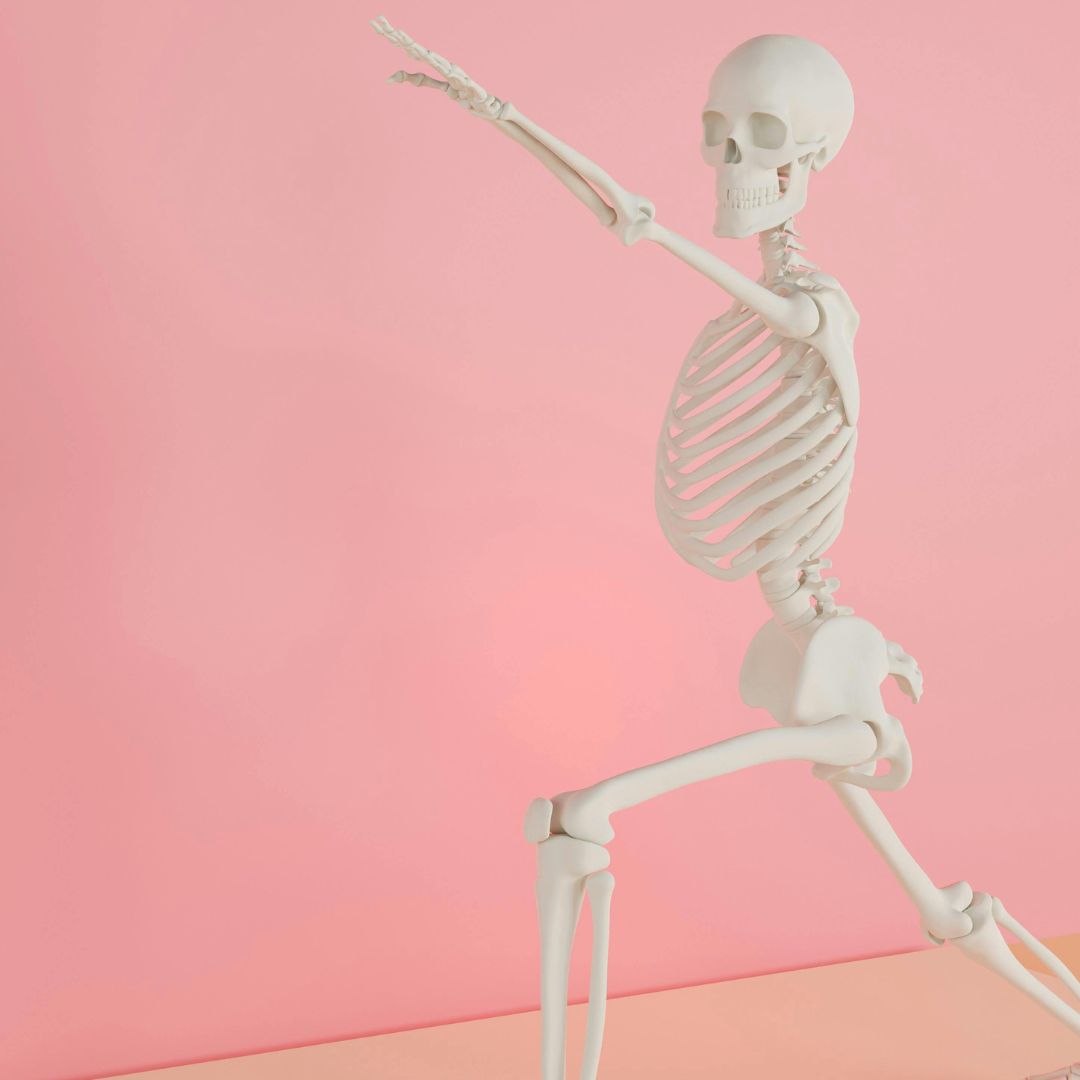
Bone Health and PCOS: Is There a Link?
Key Takeaways
Polycystic ovary syndrome (PCOS) is often discussed in relation to hormones, menstrual cycles, fertility and metabolic health. However, an area that receives much less attention is bone health.
Many people with PCOS ask whether the condition affects their long-term risk of osteoporosis, joint pain or muscle loss. These concerns are understandable, particularly if symptoms such as fatigue, inflammation or reduced physical activity make movement more difficult.
Research suggests that the relationship between PCOS and bone health is complex. Hormones, insulin resistance, inflammation and lifestyle factors may all influence bone turnover and skeletal strength over time.
Understanding these connections can help guide practical steps to support bone, joint and muscle health across the lifespan.
Hormones, Bone Turnover and PCOS
Bone is living tissue that is constantly being remodelled through a process known as bone turnover. Two types of cells are involved: osteoclasts break down old bone, while osteoblasts build new bone.
Hormones play an important role in regulating this process.
Oestrogen is one of the most important hormones for bone protection. It helps maintain bone density by slowing the breakdown of bone tissue. This is why bone loss often accelerates during menopause when oestrogen levels decline.
PCOS presents a more complicated hormonal picture. Although some individuals with PCOS may experience irregular or absent ovulation, oestrogen levels are not always low. In fact, some studies suggest that bone mineral density may be similar or even slightly higher in some people with PCOS compared with those without the condition.
However, hormonal patterns in PCOS can vary significantly between individuals. Irregular cycles, lower progesterone exposure and altered androgen levels may influence bone metabolism over time.
Vitamin D status may also play a role. Low vitamin D levels are common in people with PCOS and may affect calcium absorption, bone mineralisation and muscle function.
Ensuring adequate vitamin D, calcium and protein intake can therefore be important for supporting skeletal health.
Insulin Resistance, Inflammation and Bone Health
Insulin resistance is one of the key metabolic drivers of PCOS and may influence bone and muscle health in several ways.
Insulin itself has anabolic effects, meaning it can support tissue growth and repair. However, when insulin resistance develops, the body's metabolic environment changes.
Chronic low-grade inflammation, which is commonly observed in PCOS, may negatively influence bone turnover. Inflammatory cytokines (signalling molecules) can increase bone breakdown while also affecting joint comfort and recovery after exercise.
Muscle health is also closely connected to bone health. Muscle contractions stimulate bone formation through mechanical loading. If fatigue, pain or metabolic challenges reduce physical activity levels, this stimulus for bone maintenance may decline.
This highlights the importance of maintaining muscle mass and strength as part of long-term PCOS management. Strength-based movement, adequate dietary protein and sufficient micronutrients all play a role in supporting this process.
What This Means Across the Lifespan
Bone health is influenced by habits built over decades.
Peak bone mass is typically achieved by the late twenties or early thirties. Supporting bone density during these years can help reduce the risk of osteoporosis later in life.
For individuals with PCOS, focusing on metabolic health, movement and nutrition may help support both bone and muscle function.
Several lifestyle factors are particularly important:
These strategies align closely with many of the core lifestyle recommendations already used in PCOS management.
If you are unsure where to begin, working with a qualified nutritional therapist, such as our team here at PCOS Clinics, can help you develop an approach tailored to your individual needs. Why not book a free call here?

Low Energy in PCOS? Start With Hydration
Hydration is one of the basic foundations of health, yet in PCOS it is rarely given the attention it deserves. Conversations more often centre around carbs, supplements, weight, or lab results. Water is reduced to a passing comment. Drink more. Stay hydrated. Aim for two litres.
In practice, however, fluid balance is not a background detail. It is part of the physiological environment in which hormones are produced, transported, signalled and cleared. When hydration is inconsistent, the effects are rarely dramatic enough to trigger medical concern, but they are often significant enough to influence daily symptoms such as fatigue, cravings, headaches, bloating and low mood.
For women already navigating the metabolic and hormonal complexity of PCOS, these small physiological stresses can accumulate. Understanding hydration as part of the wider gut–hormone conversation helps move it from generic lifestyle advice into something clinically meaningful and genuinely supportive.
The Link Between Hydration and Hormone Signalling
Hormones travel through the bloodstream to reach their target tissues. This process depends on stable blood volume, balanced electrolytes and effective cellular communication, all of which are influenced by hydration status. Even mild dehydration can subtly alter cardiovascular function, thermoregulation and cognitive performance.
In PCOS, where insulin signalling and appetite regulation are often already under pressure, these subtle shifts may be felt more clearly. Research shows that hydration status can influence blood sugar regulation, perceived energy, mood and concentration. Hydration is not a cure or a treatment for hormonal imbalance, but inadequate intake may add an additional burden to systems that are already working harder.
Our digestive system provides another important connection. Adequate fluid intake supports good production of digestive juices, how well our gut moves, and stool formation. These processes shape the gut environment that interacts with inflammation, microbial balance and hormone metabolism, themes explored in our discussion of the gut–hormone axis in PCOS.
When hydration is low, constipation and bloating are more likely to occur. In turn, discomfort may reduce appetite for fibre-rich foods, gradually influencing microbiome diversity and digestive resilience. This illustrates how hydration, gut health and hormonal regulation rarely operate in isolation. They are overlapping pieces of the same physiological picture.
Dehydration, Fatigue and Cravings
One of the most useful things to consider regarding hydration in PCOS is energy regulation. Mild dehydration commonly shows up as tiredness, headaches, dizziness or reduced concentration. These sensations are easily interpreted as hunger, particularly in the mid-afternoon when energy naturally dips.
For women managing insulin resistance, this misinterpretation matters. Responding to dehydration-related fatigue with quick carbs can reinforce the cycle of blood glucose spikes and crashes that many of us are trying to stabilise. Something as simple as improving fluid intake earlier in the day can therefore support steadier energy and clearer appetite signals, even without changing overall food intake.
There is also a neurological component. Thirst and hunger signals arise from closely related regions in the brain, which helps explain why they are so easily confused. Chronic under-hydration can therefore shape eating patterns in subtle but meaningful ways, contributing to grazing, sugar cravings or the sense of never quite feeling satisfied after meals.
Behaviour and routine play a significant role here. Busy work environments, long clinic shifts, caring responsibilities, commuting and high caffeine intake all make regular hydration more difficult than guidelines suggest. Many women realise late in the day that they haven’t drunk much water. Addressing hydration in PCOS is therefore less about strict targets and more about creating consistent daily habits.
Practical Hydration Strategies for PCOS
Hydration does not need to be complicated to be effective. In fact, the most helpful strategies are usually the simplest and most consistent.
Beginning the day with a glass of water helps restore hydration after overnight fasting and may gently stimulate digestion. Keeping water visible on a desk can subtly increase intake without conscious effort.
For those who struggle with plain water, small sensory changes often help. Lemon, cucumber, mint or herbal infusions can make fluids more appealing without relying on sugary drinks. Warm drinks can feel easier to tolerate for those with sensitive digestion, while cooler fluids may feel more refreshing during exercise or warmer weather.
Electrolyte balance is another quiet but relevant factor. Women who exercise regularly, sweat heavily, consume a lot of caffeine or experience frequent loose stools may benefit from paying attention to mineral intake alongside fluids. This does not usually require specialist products. Regular inclusion of vegetables, leafy greens, seeds and balanced meals often provides meaningful support.
Importantly, hydration should feel calm rather than pressured. Very high fluid intake is not necessary for most people and can occasionally feel uncomfortable or disruptive. Listening to thirst, observing urine colour and noticing energy levels often provide more realistic guidance than rigid rules.
A Small Habit With Wide Effects
Hydration will never be the most dramatic part of PCOS care, but it can be one of the most quietly influential. When fluid intake becomes more consistent, women frequently report steadier energy, fewer headaches, improved digestion and clearer appetite cues. These changes may appear modest, yet they create a more stable internal environment in which broader nutrition and lifestyle strategies can work more effectively.
Alongside balanced eating patterns, adequate fibre intake and support for gut health, hydration forms part of the everyday physiology that underpins hormonal wellbeing. You can explore these wider foundations in our article on balanced eating for PCOS, where the focus shifts from isolated nutrients to sustainable daily patterns.
Sometimes the most meaningful shifts in PCOS do not begin with complex interventions, but with simple habits repeated consistently. Hydration is one of those habits. Easy to overlook, yet powerful when supported.
This article is for educational purposes only and is not intended to diagnose or treat medical conditions. Nutritional therapy does not replace medical care. If you experience persistent fatigue, excessive thirst, dizziness or other concerning symptoms, please consult your GP or qualified healthcare professional.
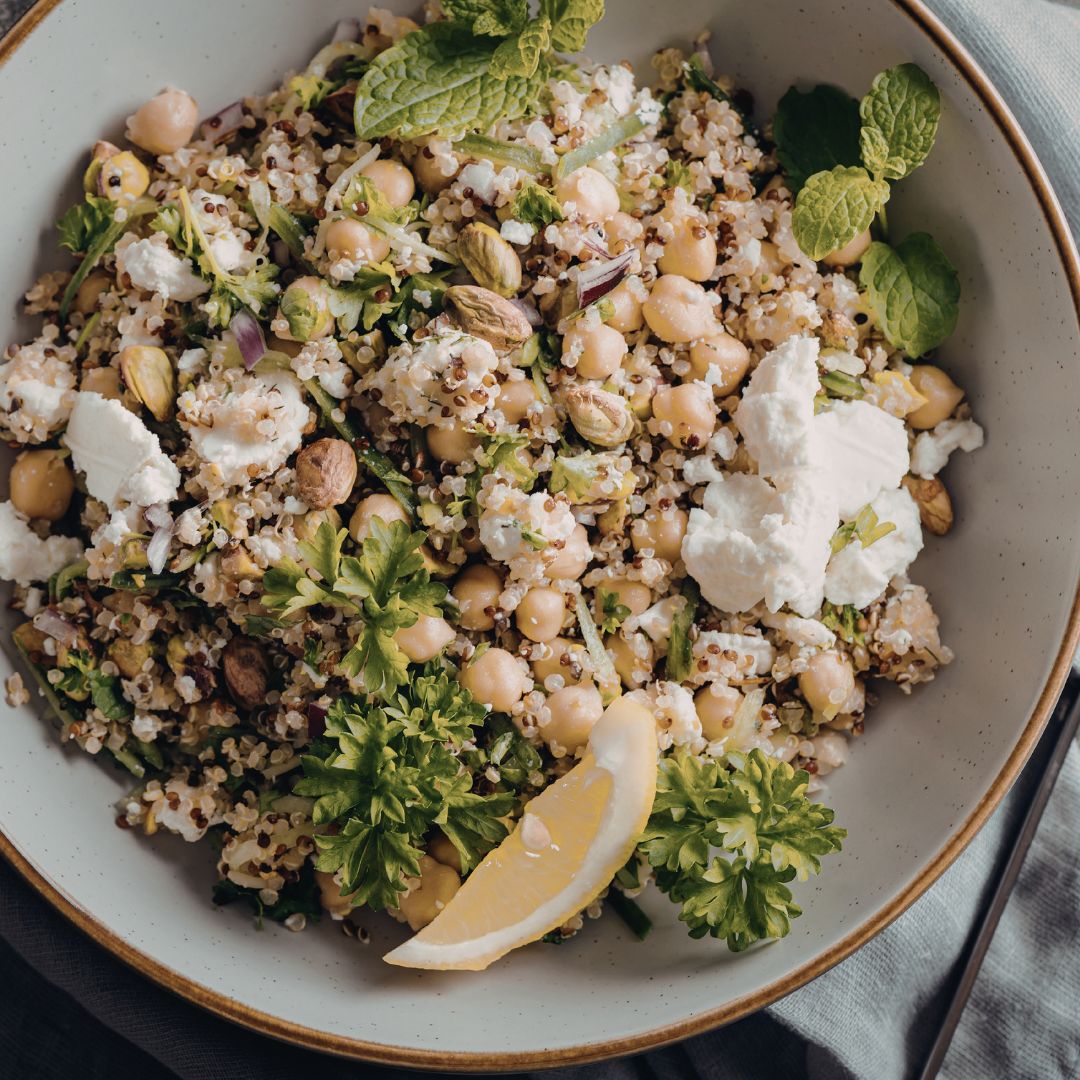
Spring Gut Glow Salad
A simple, gut-supportive spring meal for PCOS
When conversations about gut health and PCOS become overwhelming, returning to food in its simplest form can be surprisingly powerful. Many women are told to increase fibre, add prebiotics, or follow complex gut protocols, yet practical guidance on what this looks like in everyday meals is often missing.
For women who experience bloating or IBS-type symptoms, fibre-rich meals can sometimes feel intimidating. Gradual exposure, thoughtful ingredient choices, and balanced meal structure often make a significant difference to tolerance.
Serves 3
Ingredients
Dressing
Method
If you’re prone to bloating, IBS-type symptoms, or feel nervous about fibre-rich foods:
Storage & meal prep




For any conditions other than PCOS, please feel free to be in touch with our sister clinic Alex Allan Nutrion
PCOS Clinics is part of the Green Leaf Company (London) Ltd, a limited company registered in England and Wales. Registered number: 10990293
Disclaimer: ‘Please note that nutritional therapy is not medical advice - this should always be sought from your doctor or other medical provider. We aim to work alongside your doctor or GP to provide nutritional and lifestyle advice to support any underlying imbalances.'
Website by Phuse Media - Web Design Southend
