
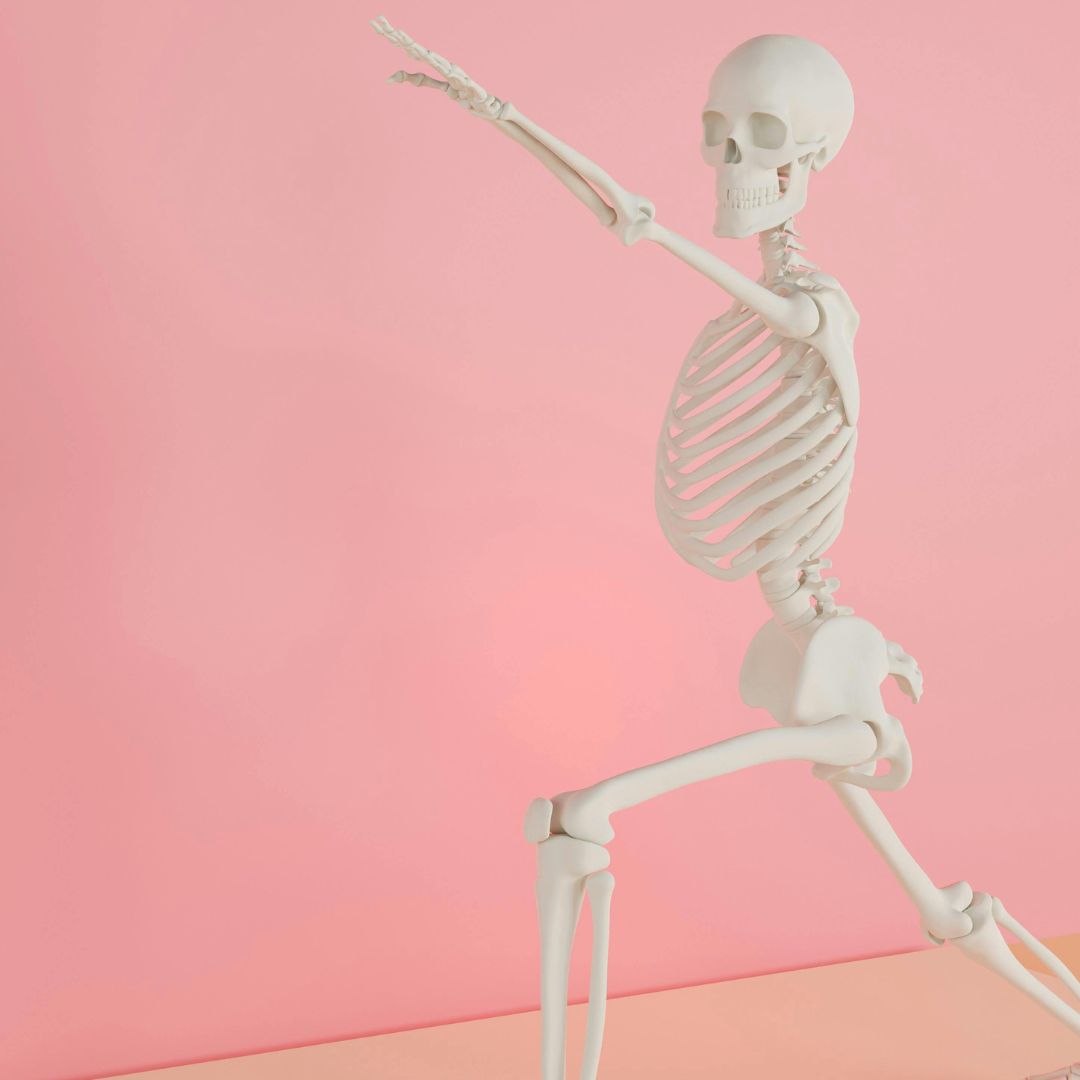
Bone Health and PCOS: Is There a Link?
Key Takeaways
Polycystic ovary syndrome (PCOS) is often discussed in relation to hormones, menstrual cycles, fertility and metabolic health. However, an area that receives much less attention is bone health.
Many people with PCOS ask whether the condition affects their long-term risk of osteoporosis, joint pain or muscle loss. These concerns are understandable, particularly if symptoms such as fatigue, inflammation or reduced physical activity make movement more difficult.
Research suggests that the relationship between PCOS and bone health is complex. Hormones, insulin resistance, inflammation and lifestyle factors may all influence bone turnover and skeletal strength over time.
Understanding these connections can help guide practical steps to support bone, joint and muscle health across the lifespan.
Hormones, Bone Turnover and PCOS
Bone is living tissue that is constantly being remodelled through a process known as bone turnover. Two types of cells are involved: osteoclasts break down old bone, while osteoblasts build new bone.
Hormones play an important role in regulating this process.
Oestrogen is one of the most important hormones for bone protection. It helps maintain bone density by slowing the breakdown of bone tissue. This is why bone loss often accelerates during menopause when oestrogen levels decline.
PCOS presents a more complicated hormonal picture. Although some individuals with PCOS may experience irregular or absent ovulation, oestrogen levels are not always low. In fact, some studies suggest that bone mineral density may be similar or even slightly higher in some people with PCOS compared with those without the condition.
However, hormonal patterns in PCOS can vary significantly between individuals. Irregular cycles, lower progesterone exposure and altered androgen levels may influence bone metabolism over time.
Vitamin D status may also play a role. Low vitamin D levels are common in people with PCOS and may affect calcium absorption, bone mineralisation and muscle function.
Ensuring adequate vitamin D, calcium and protein intake can therefore be important for supporting skeletal health.
Insulin Resistance, Inflammation and Bone Health
Insulin resistance is one of the key metabolic drivers of PCOS and may influence bone and muscle health in several ways.
Insulin itself has anabolic effects, meaning it can support tissue growth and repair. However, when insulin resistance develops, the body's metabolic environment changes.
Chronic low-grade inflammation, which is commonly observed in PCOS, may negatively influence bone turnover. Inflammatory cytokines (signalling molecules) can increase bone breakdown while also affecting joint comfort and recovery after exercise.
Muscle health is also closely connected to bone health. Muscle contractions stimulate bone formation through mechanical loading. If fatigue, pain or metabolic challenges reduce physical activity levels, this stimulus for bone maintenance may decline.
This highlights the importance of maintaining muscle mass and strength as part of long-term PCOS management. Strength-based movement, adequate dietary protein and sufficient micronutrients all play a role in supporting this process.
What This Means Across the Lifespan
Bone health is influenced by habits built over decades.
Peak bone mass is typically achieved by the late twenties or early thirties. Supporting bone density during these years can help reduce the risk of osteoporosis later in life.
For individuals with PCOS, focusing on metabolic health, movement and nutrition may help support both bone and muscle function.
Several lifestyle factors are particularly important:
These strategies align closely with many of the core lifestyle recommendations already used in PCOS management.
If you are unsure where to begin, working with a qualified nutritional therapist, such as our team here at PCOS Clinics, can help you develop an approach tailored to your individual needs. Why not book a free call here?



For any conditions other than PCOS, please feel free to be in touch with our sister clinic Alex Allan Nutrion
PCOS Clinics is part of the Green Leaf Company (London) Ltd, a limited company registered in England and Wales. Registered number: 10990293
Disclaimer: ‘Please note that nutritional therapy is not medical advice - this should always be sought from your doctor or other medical provider. We aim to work alongside your doctor or GP to provide nutritional and lifestyle advice to support any underlying imbalances.'
Website by Phuse Media - Web Design Southend
