

Body Image, Confidence and PCOS: A Holistic Approach
Key Takeaways
Body image can be one of the most challenging aspects of living with PCOS.
Changes in weight, skin, hair growth, and energy levels can all impact how we feel in our bodies. Alongside this, many of us with PCOS have spent years trying different diets, often with limited or short-term results, which can lead to frustration, self-doubt, and a loss of confidence.
It is important to acknowledge that these feelings are not superficial. They are shaped by both the physical realities of PCOS and the wider pressures around appearance, health, and body expectations. And never more so that in the current climate. So, supporting our body image with PCOS requires a holistic approach, one that considers not only nutrition, but also mindset, habits, and – probably most importantly - self-compassion.
Why PCOS Impacts Body Image
PCOS affects multiple systems in the body, many of which can influence both appearance and self-perception.
Hormonal imbalances, particularly high androgens, can contribute to symptoms such as acne, hair thinning, or excess hair growth. Insulin resistance can make weight management more challenging, even when following dietary advice that may work for others. These changes often feel unpredictable and, at times, outside of your control.
Research has shown that individuals with PCOS are more likely to experience body dissatisfaction and reduced quality of life compared to those without the condition. This is not only due to physical symptoms, but also the emotional burden of managing a long-term condition.
Over time, repeated attempts to “fix” these symptoms through restrictive dieting can further impact self-esteem and body image.
It is therefore super important to try and shift the focus away from blame, and towards understanding the underlying drivers and supporting the body in a more sustainable way.
Moving Away from Diet Culture
Many of us with PCOS have been exposed to conflicting and often restrictive dietary advice.
Messages that focus on cutting out entire food groups, drastically reducing calories, or following rigid rules may initially feel like a solution. However, these approaches are often difficult to maintain and can contribute to cycles of restriction, cravings, and overeating.
From a physiological perspective, restrictive eating can also have unintended consequences. Under-fuelling may affect energy levels, mood, and hormonal balance, while irregular eating patterns can contribute to blood sugar instability, which may increase cravings and emotional eating behaviours.
Psychologically, diet culture can reinforce the belief that your body needs to be controlled or “fixed,” rather than supported. This can lead to feelings of guilt around food and a disconnection from hunger and fullness cues.
Moving away from this approach does not mean ignoring health. Instead, it involves shifting towards behaviours that are sustainable, flexible, and supportive of both physical and emotional wellbeing.
Rebuilding Trust in Food and Body
Rebuilding trust takes time, particularly if your relationship with food has been shaped by years of dieting or conflicting advice.
A helpful starting point is to focus on consistent nourishment.
Eating regular, balanced meals can help stabilise blood sugar, support energy levels, and reduce the likelihood of intense cravings or emotional eating. Including protein, fibre-rich carbohydrates, and healthy fats at meals provides both physical and psychological reassurance that your body is being adequately fuelled.
Over time, this consistency can help reduce the urgency around food and support a more settled relationship with eating.
It is also important to approach food with flexibility rather than rigidity.
Allowing a range of foods, rather than categorising them as “good” or “bad,” can help reduce feelings of guilt and support a more balanced approach. This is particularly important in PCOS, where overly restrictive patterns can often backfire.
Alongside nutrition, self-awareness and compassion play a key role.
Emotional eating is often linked to stress, fatigue, or unmet emotional needs, rather than a lack of discipline. Recognising these patterns without judgement can help create space for more supportive responses.
For example, asking what you need in that moment, whether that is rest, nourishment, or support, can be more helpful than focusing solely on the food itself.
It can also be helpful to consider the wider picture of wellbeing.
Sleep, stress management, movement, and social support all influence how you feel in your body. Nutrition works best when it is part of this broader, holistic approach.
Finally, confidence in PCOS is not built through achieving a specific outcome, but through developing trust in your ability to care for your body consistently.
This might look like:
These shifts may feel small, but over time they can have a meaningful impact on both physical and emotional wellbeing.
Living with PCOS can be challenging, particularly when it affects how you feel in your own body. A holistic, compassionate approach can help you move away from cycles of restriction and towards a more supportive and sustainable way of eating and living.
If you are struggling with binge eating or feel that your relationship with food is becoming difficult to manage, it is important to know that support is available.
In the UK, organisations such as Beat Eating Disorders provide confidential helplines, online support, and guidance for both individuals and their families. You may also wish to speak with your GP, who can help you access appropriate NHS services, including specialist eating disorder support where needed.
At PCOS Clinics, we recognise that disordered eating patterns, including binge eating, can be closely linked to PCOS, particularly where there is a history of restrictive dieting, blood sugar instability, or body image concerns. We have a practitioner within our team who is specifically trained in supporting individuals with these challenges, using a compassionate, non-restrictive and evidence-based approach.
If this is something you are experiencing, you are not alone, and support is available.
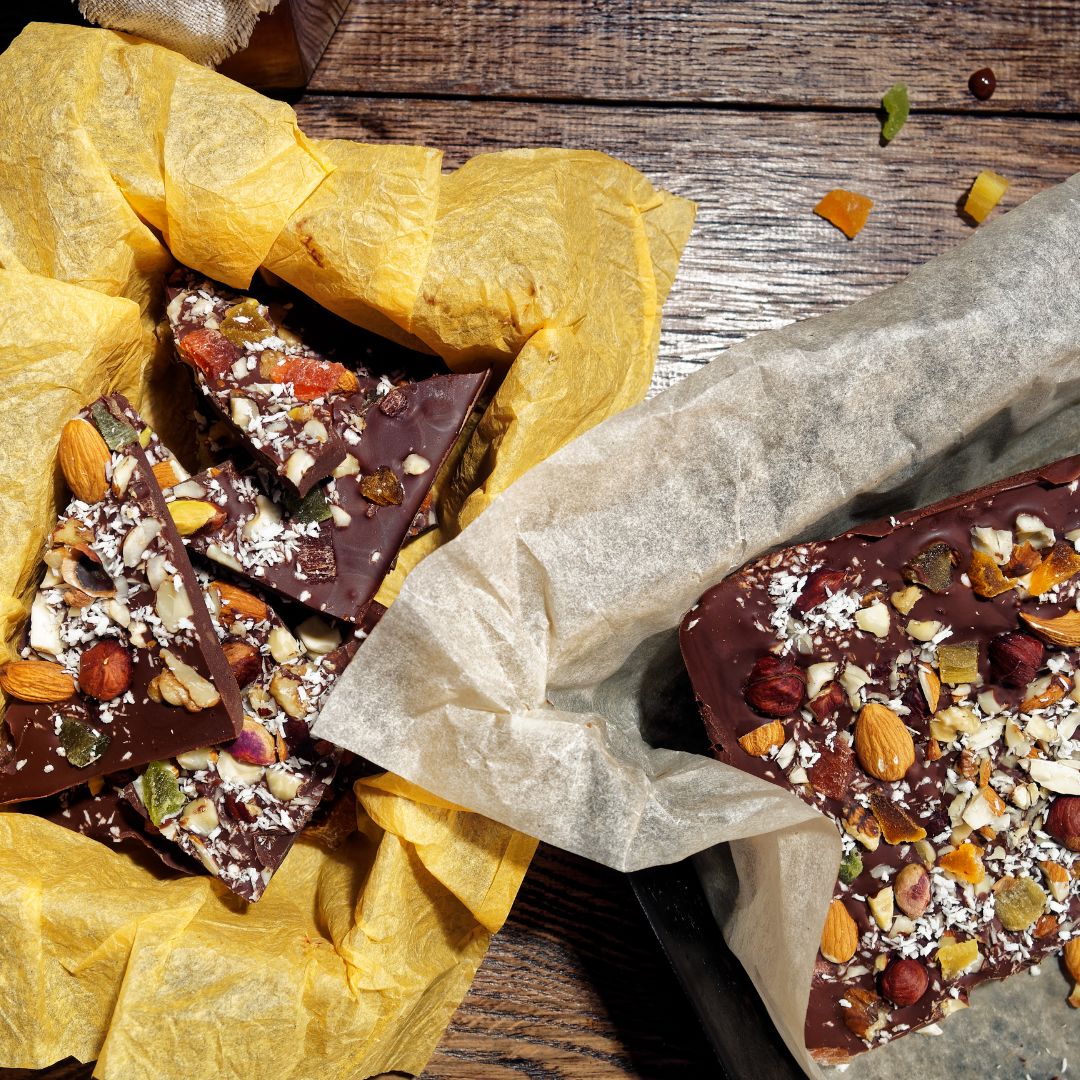
Magnesium-Rich Dark Chocolate and Walnut Energy Bites
Key Takeaways
If you are looking for a simple snack that supports both energy and emotional wellbeing in PCOS, these dark chocolate and walnut energy bites are a practical option.
They combine ingredients naturally rich in magnesium, alongside healthy fats and fibre, helping to support more stable energy levels and reduce the likelihood of blood sugar fluctuations.
For many people with PCOS, symptoms such as anxiety, low mood, fatigue, and cravings are influenced not only by hormones, but also by nutrient intake and eating patterns. Small, consistent additions like this can be a helpful part of a wider, supportive approach.
Why Magnesium Matters in PCOS
Magnesium is an essential mineral involved in over 300 biochemical reactions in the body, many of which are highly relevant in PCOS.
One of its key roles is in insulin sensitivity.
Research suggests that magnesium plays a role in glucose metabolism and insulin signalling. Suboptimal magnesium status has been associated with insulin resistance, which is a central feature of PCOS. Supporting adequate magnesium intake may therefore be beneficial for both metabolic and energy regulation.
Magnesium is also closely linked to the stress response and nervous system regulation.
It is involved in the regulation of the hypothalamic–pituitary–adrenal (HPA) axis and supports the activity of GABA, a neurotransmitter that promotes relaxation. Low magnesium levels have been associated with increased symptoms of anxiety, poor sleep, and reduced stress resilience.
In addition, magnesium contributes to muscle relaxation, sleep quality, and energy production, all of which can be impacted in PCOS.
While supplementation may be appropriate in some cases, increasing magnesium intake through whole foods is a practical and accessible first step.
Foods such as dark chocolate (particularly higher cocoa content), nuts, seeds, and whole grains provide magnesium alongside other nutrients, including healthy fats and fibre, which support blood sugar balance and satiety.
This is particularly relevant in the context of the food–mood connection in PCOS, where both nutrient intake and blood sugar regulation can influence emotional wellbeing.
These energy bites are quick to prepare, require minimal equipment, and can be made in advance to support consistency during busy weeks.
Ingredients (makes approximately 10–12 bites)
Method
These bites provide a combination of healthy fats, fibre, and a small amount of protein, which can help support more stable energy compared to high-sugar snack options.
Storage Tips
Store the energy bites in an airtight container in the fridge for up to one week.
They can also be frozen and defrosted as needed, which can be helpful if you prefer to batch prepare snacks in advance. Having options readily available can reduce reliance on convenience foods and support more consistent eating habits, particularly during periods of stress or low energy.
Recipes like this are not intended to replace a balanced diet, but they can be a simple way to incorporate nutrient-dense foods into your routine. In PCOS, where both metabolic and emotional factors are at play, these small, practical strategies can help support a more stable foundation.

Top Tips: Simple Nutrition Strategies to Improve Mood with PCOS
Key Takeaways
If you are living with PCOS and experiencing anxiety, mood swings, or feeling emotionally overwhelmed, you are not alone.
While it is often presented as something you just need to “manage,” there are underlying physiological drivers that can influence how you feel day to day. At the same time, when you are already feeling anxious or burnt out, complicated or restrictive nutrition advice can make things feel even more overwhelming.
This is where simple, practical strategies can make a meaningful difference.
Rather than focusing on perfection, the aim is to create a structure that supports more stable energy, reduces decision fatigue, and helps your body feel more regulated.
Why Mood Swings Are Common in PCOS
Mood changes in PCOS are rarely caused by one single factor. Instead, they tend to reflect a combination of metabolic, hormonal, and lifestyle influences.
One of the most common contributors is blood sugar instability.
If meals are skipped, delayed, or unbalanced, blood glucose levels can drop. In response, the body releases stress hormones such as adrenaline and cortisol to bring levels back up. This can lead to symptoms such as feeling shaky, irritable, or anxious, even if there is no obvious external stressor.
Over time, this can create a pattern where anxiety is not only psychological, but also physiological.
There is also the impact of under-fuelling.
Many people with PCOS have tried restrictive diets, whether intentionally or indirectly. This can result in inadequate energy or protein intake, which may affect both neurotransmitter production and overall resilience to stress.
Alongside this, daily stress and burnout can amplify symptoms.
When you are already overwhelmed, sleep may be disrupted, food choices may feel more difficult, and emotional eating patterns may become more frequent. This is not a failure, but a reflection of how the body responds under pressure.
Understanding this context can help shift the focus away from blame, and towards practical support.
Gentle Nutrition Strategies That Help
The most effective strategies are often the simplest. These are not about strict rules, but about creating a consistent structure that supports your body.
1. Do not skip meals
Skipping meals is one of the most common triggers for anxiety-like symptoms.
Even if you are not particularly hungry, going long periods without eating can lead to drops in blood sugar, which may increase irritability, shakiness, and poor concentration.
Starting with regular meals, ideally three per day, can help create a more stable foundation.
2. Include protein early in the day
Breakfast is often where things go wrong.
A carbohydrate-heavy breakfast, or skipping it altogether, can lead to a rapid rise and fall in blood sugar, increasing the likelihood of mid-morning anxiety and cravings.
Including a source of protein, such as eggs, yoghurt, or nuts, may help support more stable energy and improved focus throughout the morning.
3. Build simple, repeatable meals
When you are feeling overwhelmed, decision fatigue can make food choices feel much harder.
Having a small number of go-to meals can reduce this burden and make it easier to stay consistent. This might look like rotating a few breakfasts, lunches, and dinners that you know work for you.
Consistency is often more supportive than constantly trying new or complex recipes.
4. Use snacks strategically, not constantly
Snacks can be helpful, but they are not always necessary.
If you are going longer than four to five hours between meals, or noticing dips in energy or mood, a small snack that includes protein may help maintain stability.
For example, yoghurt with nuts or oatcakes with hummus can provide more sustained energy than sugary snacks.
5. Be mindful of caffeine
Caffeine can increase alertness, but for some people it may also worsen symptoms such as jitteriness, a racing heart, or anxiety.
This is particularly relevant if caffeine is consumed on an empty stomach or alongside irregular meals.
Reducing intake, or pairing caffeine with food, may help minimise these effects.
6. Avoid “all or nothing” thinking
One of the biggest barriers to consistency is the belief that you need to do everything perfectly.
In reality, small changes such as eating one balanced meal, adding protein to breakfast, or preparing a simple lunch can have a meaningful impact over time.
This approach is particularly important in PCOS, where restrictive patterns can often lead to cycles of overeating and guilt.
7. Support yourself during busy or stressful periods
When you are experiencing burnout, even simple tasks can feel overwhelming.
During these times, focusing on convenience and ease is not a compromise, it is a strategy. This might include:
Reducing the effort required to eat well can help you stay consistent, even when energy is low.
Living with PCOS can feel challenging, particularly when anxiety and mood swings are part of the picture. The aim is not to overhaul everything at once, but to introduce small, supportive habits that help your body feel more stable over time. If you'd like one-to-one support with this, why not book a free call to discuss further?
The Food–Mood Connection in PCOS
Key Takeaways
Living with PCOS is not only about managing physical symptoms such as irregular cycles, acne, or weight changes. Many people also experience anxiety, low mood, emotional eating, and challenges with body image.
Research suggests that individuals with PCOS are significantly more likely to experience symptoms of anxiety and depression compared to those without the condition. While the reasons for this are complex, they are not simply psychological. Hormonal imbalances, insulin resistance, inflammation, and the lived experience of PCOS can all contribute.
For many people, this can lead to a cycle of fatigue, low motivation, and feeling overwhelmed by food choices, particularly when trying to follow restrictive or unsustainable dietary advice.
Nutrition is not a standalone solution, but it is one area that can provide a stable and supportive foundation for both physical and emotional health.
Blood Sugar, Neurotransmitters and Mood
Insulin resistance is one of the central features of PCOS and has implications far beyond metabolic health.
When the body becomes less responsive to insulin, it can lead to higher circulating insulin levels and bigger fluctuations in blood glucose. These fluctuations can affect both energy levels and mood.
Rapid rises and falls in blood glucose can contribute to symptoms such as irritability, shakiness, fatigue, and difficulty concentrating. From a physiological perspective, when blood glucose drops, the body releases stress hormones such as adrenaline and cortisol to restore balance. While this is a protective mechanism, it can also produce sensations that feel very similar to anxiety. And over time, repeated fluctuations in blood sugar may contribute to reduced resilience to stress and increased vulnerability to mood disturbances.
Alongside this, neurotransmitter production is heavily dependent on nutrient availability.
Serotonin, often associated with mood and emotional regulation, is synthesised from the amino acid tryptophan. Dopamine, which plays a role in motivation and reward, is derived from tyrosine. Both of these require adequate dietary protein, as well as cofactors such as B vitamins, iron, zinc, and magnesium.
Inadequate intake, irregular eating patterns, or chronic under-fuelling can therefore impact these pathways, potentially contributing to low mood, reduced motivation, and increased cravings.
This is particularly relevant in PCOS, where restrictive dieting and inconsistent eating patterns are common, often driven by weight concerns or conflicting dietary advice.
Inflammation, Gut Health and Mental Wellbeing
PCOS is associated with chronic low-grade inflammation, which may play a role in both physical symptoms and mental wellbeing.
Inflammatory markers have been found to be elevated in many individuals with PCOS, and emerging evidence suggests that inflammation may influence brain function and contribute to symptoms of depression and fatigue. While this relationship is still being explored, it highlights the importance of considering whole-body health when addressing mental wellbeing.
Gut health is another key factor.
The gut–brain axis is a complex, bidirectional communication system linking the gastrointestinal tract with the central nervous system. This communication occurs via neural, hormonal, and immune pathways.
The gut microbiota plays a role in the production and regulation of neurotransmitters, including serotonin, as well as in modulating inflammation and the stress response.
Alterations in gut microbiota composition have been observed in individuals with PCOS, which may influence both metabolic and psychological health outcomes. Factors such as low fibre intake, limited dietary diversity, stress, and previous antibiotic use may all contribute. If you would like to explore this further, you can read more in my March blog on the gut–hormone axis.
Supporting gut health through a varied, fibre-rich diet, including vegetables, whole grains, nuts, seeds, and, where appropriate, fermented foods, may help support both gut and mental health.
Practical Nutrition Foundations for Emotional Health
When you are feeling overwhelmed, it is essential that nutrition feels supportive rather than restrictive.
Many individuals with PCOS have experienced cycles of dieting, which can contribute to feelings of failure, guilt around food, and disconnection from hunger and fullness cues. A more sustainable approach focuses on building consistent, nourishing habits.
In practice, this often starts with regular, balanced meals.
Eating consistently, typically three meals per day, can help support blood sugar stability and reduce the likelihood of energy crashes that may trigger cravings or emotional eating. Each meal ideally includes a source of protein, fibre-rich carbohydrates, and healthy fats to support satiety and steady energy release.
Protein is particularly important, not only for blood sugar regulation but also for providing the building blocks for neurotransmitters involved in mood and motivation.
Fibre-rich carbohydrates support both glycaemic control and gut health, while healthy fats contribute to brain structure and hormone production.
Alongside this, reducing decision fatigue can be a powerful strategy. Keeping meals simple, repeating go-to options, and planning ahead where possible can help reduce overwhelm and support consistency.
It is also important to acknowledge the role of emotional eating.
Emotional eating is not a lack of discipline, but often a response to stress, fatigue, or unmet emotional needs. In PCOS, this can be further influenced by blood sugar fluctuations, hormonal changes, and body image concerns.
Addressing emotional eating requires a compassionate approach that considers both physical and psychological drivers. Supporting regular nourishment, stabilising blood sugar, and removing overly restrictive rules can help reduce the intensity and frequency of these patterns over time.
Burnout is another common experience.
When you are physically and emotionally depleted, it becomes much harder to make decisions around food, prepare meals, or prioritise self-care. In these situations, focusing on small, achievable changes, rather than aiming for perfection, is often the most effective approach.
Living with PCOS can feel overwhelming, particularly when both physical and emotional symptoms are present. Nutrition is just one piece of the puzzle, but it can provide a steady foundation to build from. If you would like support with your nutrition, why not book a call with us? We’d love to help.
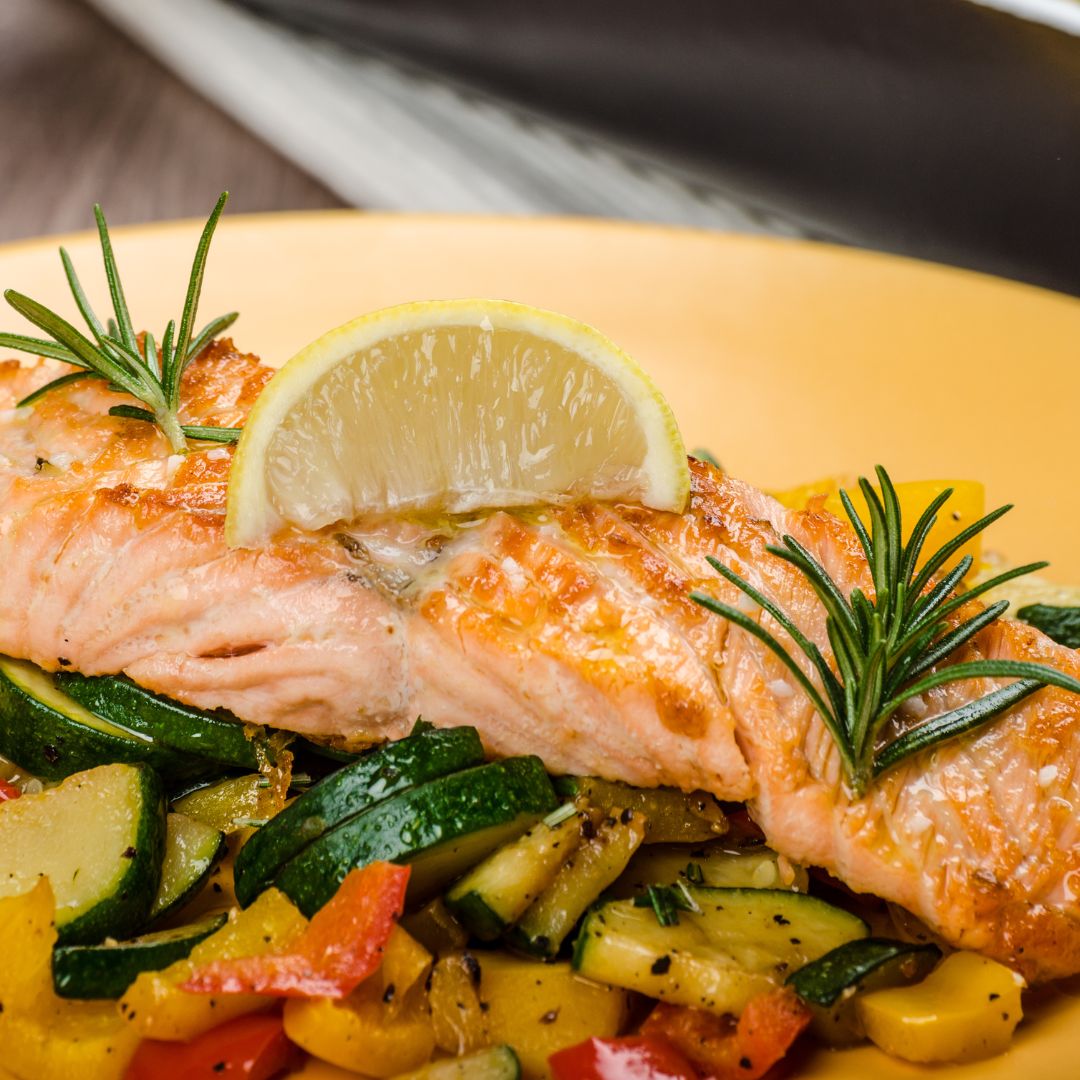
Mediterranean Salmon and Roasted Vegetable Tray Bake
Key Takeaways
When managing PCOS, nutrition is often discussed in relation to blood sugar balance, inflammation and metabolic health. However, nutrients that support bone, muscle and overall wellbeing are equally important.
This simple Mediterranean-inspired tray bake provides a balanced combination of protein, healthy fats and colourful vegetables. It also includes salmon, one of the richest natural food sources of vitamin D.
Meals such as this can support an overall dietary pattern that promotes metabolic health while also providing nutrients that contribute to muscle maintenance and bone health. If you are interested in learning more about the role of vitamin D in PCOS, you can read our article on vitamin D and PCOS.
Why This Recipe Works for PCOS
This recipe combines several nutritional principles often recommended when supporting metabolic health in PCOS.
Protein for muscle health
Salmon provides high-quality protein which supports muscle maintenance and recovery. Maintaining muscle mass can play an important role in metabolic health and insulin sensitivity.
Healthy fats
Salmon is rich in omega-3 fatty acids, which have been studied for their role in inflammation and cardiovascular health.
Fibre and phytonutrients
The vegetables provide fibre, vitamins and plant compounds that support overall health.
Vitamin D
Oily fish such as salmon are among the few natural dietary sources of vitamin D, a nutrient that contributes to bone health and immune function.
Serves 2
Ingredients
2 salmon fillets
1 courgette, sliced
1 red pepper, chopped
1 small red onion, sliced
1 handful cherry tomatoes
1 tablespoon extra virgin olive oil
1 teaspoon dried oregano
½ teaspoon smoked paprika
Juice of half a lemon
Salt and black pepper to taste
Optional: fresh parsley or basil to serve
Method
Serving Suggestions
This dish can be served on its own for a lighter meal or alongside:
Adding whole grains can increase fibre intake and help create a balanced meal depending on individual preferences and activity levels.
Supporting Metabolic Health Through Balanced Meals
Many people with PCOS find that meals containing protein, fibre and healthy fats help support satiety and stable energy levels throughout the day. Simple meals such as tray bakes can make it easier to include a variety of whole foods without spending large amounts of time cooking.
Combined with regular movement and strength-based exercise, balanced meals can support long-term health and wellbeing.
You can learn more about the role of exercise in PCOS in our article on strength training and PCOS, and explore how nutrients such as vitamin D contribute to skeletal health in our article on bone health and PCOS.

Vitamin D and PCOS
Key Takeaways
Vitamin D is often associated with bone health, yet its role in the body extends far beyond maintaining strong bones.
In recent years, researchers have explored how vitamin D may influence metabolic health, inflammation and hormone regulation. This has led to increasing interest in its potential relevance for people living with polycystic ovary syndrome (PCOS).
Vitamin D deficiency is relatively common in the general population, particularly in northern climates such as the UK where sunlight exposure is limited during the winter months. Studies suggest that deficiency may be even more common among individuals with PCOS.
Understanding the relationship between vitamin D and PCOS may help highlight another important piece of the lifestyle puzzle when supporting long-term health.
Why Vitamin D Levels May Be Lower in PCOS
Vitamin D is produced in the skin following exposure to sunlight and can also be obtained in smaller amounts from certain foods.
Several factors may contribute to lower vitamin D levels in individuals with PCOS.
Firstly, vitamin D is fat-soluble, meaning it can be stored in body fat. Research suggests that higher body fat levels may reduce circulating vitamin D levels, which may partly explain why deficiency is more common in metabolic conditions.
Secondly, insulin resistance, which is common in PCOS, may influence vitamin D metabolism and signalling pathways within the body.
Lifestyle factors may also play a role. Many people spend large portions of the day indoors, particularly during the colder months, which can limit sunlight exposure.
Some groups may also have a higher risk of vitamin D deficiency. Individuals with darker skin pigmentation may require longer sun exposure to produce the same amount of vitamin D as those with lighter skin. This is because melanin reduces the skin’s ability to produce vitamin D from sunlight.
Vitamin D deficiency is also more common in people who cover most of their skin for cultural or religious reasons, or those who spend very little time outdoors.
For individuals living in northern Europe, including the UK, vitamin D levels often decline during autumn and winter when UVB radiation is insufficient for vitamin D production.
Vitamin D, Insulin Resistance and Metabolic Health
One of the most widely studied areas of vitamin D research in PCOS relates to insulin resistance.
Vitamin D receptors are present in many tissues involved in glucose metabolism, including pancreatic cells that produce insulin and muscle cells that help regulate glucose uptake.
Some studies suggest that adequate vitamin D levels may support insulin sensitivity and glucose metabolism, although research findings remain mixed.
Vitamin D may also influence inflammation. Chronic low-grade inflammation is often observed in PCOS and may contribute to metabolic disturbances.
While vitamin D alone is unlikely to resolve metabolic challenges, ensuring adequate levels may form part of a broader lifestyle approach that includes balanced nutrition, movement and sleep.
You can learn more about the role of exercise in supporting metabolic health in our article on strength training and PCOS.
Vitamin D, Mood and Wellbeing
PCOS is associated with higher rates of anxiety, low mood and fatigue.
While these experiences are influenced by many factors, vitamin D may play a role in brain function and mood regulation.
Vitamin D receptors are present in several regions of the brain involved in emotional regulation. Some research has explored associations between low vitamin D levels and mood disturbances, although more studies are needed to understand these relationships fully.
Supporting overall nutritional status, including vitamin D, may therefore be an important part of a holistic approach to wellbeing in PCOS.
How Sunlight Supports Vitamin D Production
Sunlight is the most significant source of vitamin D for many people.
When skin is exposed to ultraviolet B (UVB) rays from the sun, the body begins producing vitamin D. In the UK, this process typically occurs between April and September, when the sun is strong enough to stimulate vitamin D production.
Short periods of sunlight exposure during spring and summer can help support vitamin D levels. For many people, exposing the face, arms or legs to sunlight for a brief period during the middle of the day may contribute to vitamin D production.
The exact amount of time needed can vary depending on several factors, including skin tone, time of day, season and geographical location. Individuals with darker skin may require longer exposure compared with those with lighter skin.
It is important to balance sunlight exposure with skin protection. Sunburn increases the risk of skin damage and skin cancer, so prolonged exposure without protection is not recommended.
Because sunlight exposure is limited in the UK for several months of the year, public health guidance recommends that adults consider vitamin D supplementation during autumn and winter.
Anyone concerned about their vitamin D status may wish to discuss testing or supplementation with their GP or you can book a call with us.
Food Sources of Vitamin D
Only a small number of foods naturally contain vitamin D. These include:
Because dietary sources are limited, sunlight exposure is typically the main source of vitamin D for many people.
Vitamin D and Long-Term Health
Vitamin D contributes to several processes relevant to PCOS, including bone health, muscle function and immune regulation.
Maintaining adequate levels may therefore support long-term wellbeing alongside other lifestyle strategies.
This includes regular movement, resistance exercise, balanced nutrition and sufficient sleep.
You can read more about the connection between hormones and skeletal health in our article on bone health and PCOS.
Frequently Asked Questions
Is vitamin D deficiency common in PCOS?
Some research suggests vitamin D deficiency may be more common among individuals with PCOS, particularly where insulin resistance or higher body fat levels are present. However, vitamin D deficiency is also common in the general population, particularly in northern countries with limited sunlight during winter.
Can vitamin D improve PCOS symptoms?
Vitamin D plays an important role in many processes in the body, including bone health, immune function and metabolism. Some research has explored its role in insulin sensitivity and inflammation in PCOS, but it should be viewed as one component of a broader lifestyle approach rather than a standalone solution.
How can I support my vitamin D levels naturally?
Sunlight exposure during spring and summer is the primary natural source of vitamin D for most people. Small amounts are also found in foods such as oily fish and egg yolks. In the UK, supplementation is commonly recommended during autumn and winter months due to reduced sunlight exposure.





For any conditions other than PCOS, please feel free to be in touch with our sister clinic Alex Allan Nutrion
PCOS Clinics is part of the Green Leaf Company (London) Ltd, a limited company registered in England and Wales. Registered number: 10990293
Disclaimer: ‘Please note that nutritional therapy is not medical advice - this should always be sought from your doctor or other medical provider. We aim to work alongside your doctor or GP to provide nutritional and lifestyle advice to support any underlying imbalances.'
Website by Phuse Media - Web Design Southend
